
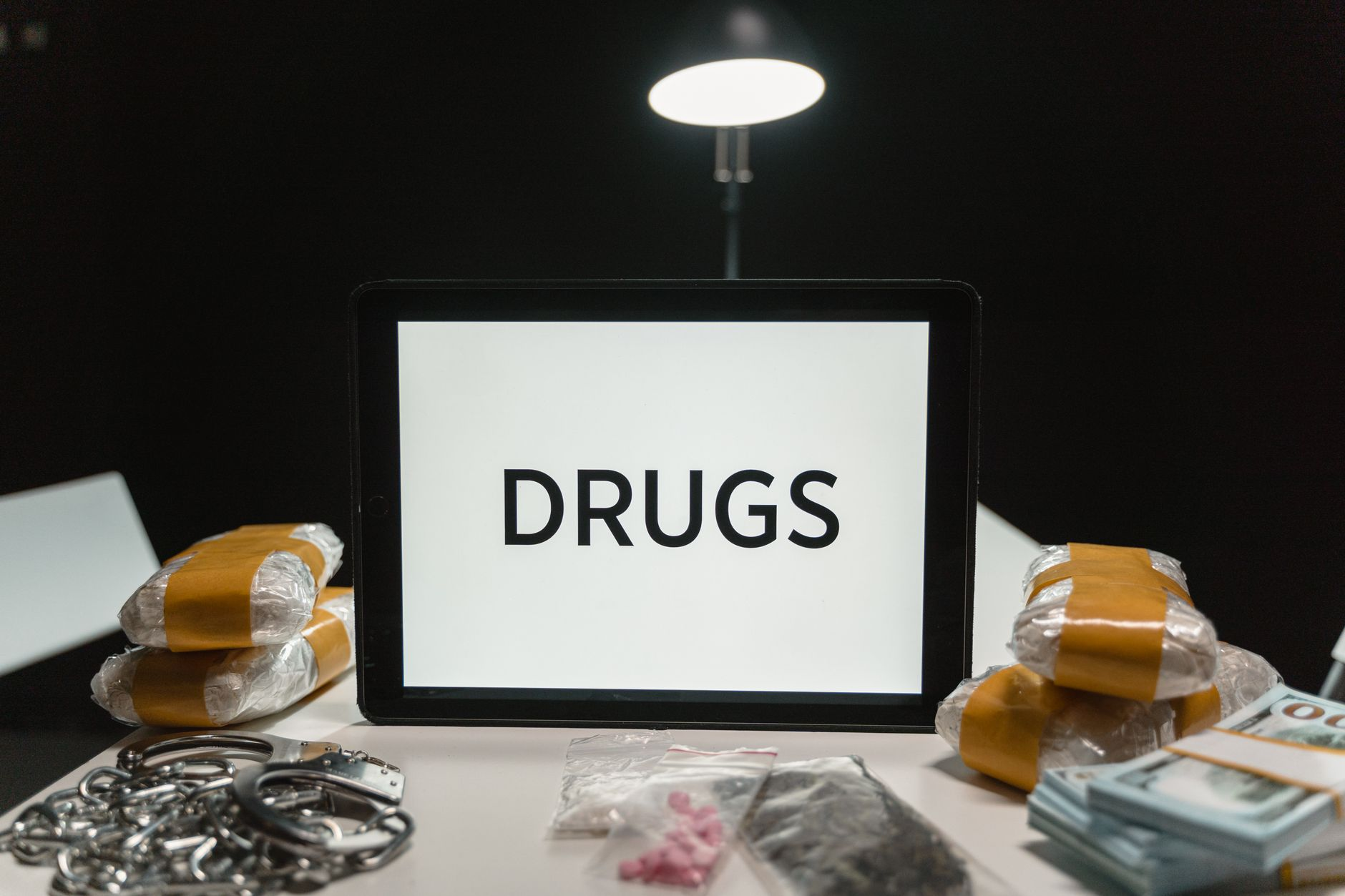
Drug-related crimes PA have become a pressing concern for communities across Pennsylvania, impacting not only public safety but also the overall health of neighborhoods. This article delves into the critical role of PA Crime Stoppers in combating these crimes, highlighting their significant impact on reducing drug-related offenses through community engagement and proactive measures. We will explore the intricacies of drug-related crimes PA, examining how community-driven initiatives can foster drug prevention and promote community health. By understanding the multifaceted approach employed by PA Crime Stoppers, readers can appreciate their vital contribution to creating safer environments. Furthermore, this article will outline effective strategies for community involvement in reducing drug-related crimes, encouraging individuals to take an active role in supporting these initiatives. Join us as we uncover the transformative potential of collective action in addressing drug-related issues and enhancing public well-being.
Understanding Drug-Related Crimes PA
What are Drug-Related Crimes?
Drug-related crimes encompass a wide range of illegal activities connected to the use, distribution, and manufacturing of controlled substances. In Pennsylvania, these crimes can include possession of drugs, drug trafficking, and the illegal production of substances such as methamphetamine or cannabis. Examples of drug-related crimes include:
- Possession: Having illegal drugs in one’s personal possession.
- Distribution: Selling or distributing controlled substances.
- Manufacturing: Producing illegal drugs, often in clandestine labs.
- Prescription Fraud: Illegally obtaining prescription drugs through deceit.
These offenses not only affect the individuals involved but also have broader implications for community health and safety.
Statistics on Drug-Related Crimes in PA
Drug-related crimes PA present significant challenges for law enforcement and community health in the state. According to the Pennsylvania state government, drug overdose deaths have increased dramatically in recent years. In 2021 alone, Pennsylvania recorded over 5,300 overdose deaths, marking a 5% rise from the previous year. The opioid crisis remains a major contributor to these statistics, with synthetic opioids like fentanyl being involved in a substantial percentage of fatalities.
Furthermore, the Drug Enforcement Administration reported that drug trafficking operations are increasingly sophisticated, leading to a rise in violent crime associated with these activities. In urban areas, particularly, drug-related crimes are often linked to gang activity, contributing to a vicious cycle of violence and crime.
The need for effective drug prevention strategies has never been more urgent. Organizations like PA Crime Stoppers play a crucial role in combating drug-related crimes by encouraging community involvement and providing anonymous reporting mechanisms that help local authorities tackle these issues head-on. The Role of PA Crime Stoppers in Drug Crime Prevention
Addressing the complexities of drug-related crimes PA requires a collaborative effort, combining law enforcement, public health initiatives, and community engagement to foster a safer environment for all residents.
The Impact of PA Crime Stoppers on Drug-Related Crimes
How PA Crime Stoppers Functions
PA Crime Stoppers is a vital community program designed to combat crime, including the escalating issue of drug-related crimes PA. Operating through a confidential hotline, the program encourages community members to report suspicious activities without fear of retribution. This anonymity is crucial as it empowers individuals to speak out against drug dealers and traffickers who threaten community health and safety.
Local law enforcement agencies partner with PA Crime Stoppers to disseminate information about ongoing investigations and drug prevention initiatives. The collaborative efforts extend to community outreach events, where representatives educate the public about the dangers of drug abuse and the importance of vigilance. By fostering a proactive community environment, PA Crime Stoppers significantly enhances the potential for intervention and prevention.
Case Studies of Success in Reducing Drug-Related Crimes PA
Several case studies highlight the PA Crime Stoppers impact on drug-related crimes. One notable example occurred in Philadelphia, where a substantial number of tips led to a crackdown on a local drug trafficking ring. Over the course of several months, law enforcement acted on intelligence gathered from community members, resulting in numerous arrests and the seizure of large quantities of illegal substances. This operation not only disrupted the local drug market but also fostered a renewed sense of safety among residents.
Another successful initiative took place in Allegheny County, where a community-led effort driven by PA Crime Stoppers led to the dismantling of multiple small-scale drug operations. The involvement of residents in reporting suspicious activities allowed law enforcement to respond swiftly, illustrating the importance of community engagement in drug prevention.
Through these targeted efforts, PA Crime Stoppers has proven to be an effective resource in reducing drug-related crimes PA, ultimately contributing to improved community health and safety. Community members play a crucial role in this fight, demonstrating that collective action can lead to significant changes in local crime rates.
Strategies for Drug Prevention through Community Engagement
Community engagement plays a pivotal role in addressing the root causes of drug-related crimes PA. By fostering strong relationships among residents, local organizations, and law enforcement, communities can create a robust framework for drug prevention. Educational programs and community health initiatives are essential components of this strategy, empowering individuals with knowledge and resources to combat drug misuse effectively.
Role of Education in Drug Prevention
Education is a critical tool in preventing drug-related crimes. Programs that provide information about the dangers of drug use and the consequences of addiction can significantly reduce the likelihood of individuals engaging in substance abuse. In Pennsylvania, initiatives such as the Pennsylvania Recovery Organizations Alliance focus on educating students, parents, and community members about the risks associated with drug use and the importance of mental health.
School-based programs, such as the Too Good for Drugs curriculum, have shown promising results in reducing drug use among adolescents. These programs equip young people with skills to resist peer pressure and make healthier choices, ultimately contributing to a decline in drug-related crimes PA. Community forums, workshops, and seminars also serve as platforms for disseminating information and encouraging open conversations about drug prevention.
Community Health Initiatives Addressing Drug-Related Crimes PA
In addition to educational efforts, community health initiatives are crucial in creating a supportive environment that promotes drug prevention. Programs that focus on mental health support, substance abuse treatment, and recovery resources can significantly impact community health and reduce drug-related crimes. For instance, the Pennsylvania Department of Human Services has implemented various initiatives aimed at enhancing mental health services and providing access to addiction treatment.
Local organizations, such as PA Crime Stoppers, contribute to these efforts by raising awareness about drug-related issues and encouraging community involvement. Their impact is evident through programs that promote anonymous reporting of drug activity, which not only aids law enforcement but also fosters a sense of collective responsibility among residents. The collaboration between community members and organizations like PA Crime Stoppers enhances the overall effectiveness of drug prevention strategies.

By prioritizing education and community health initiatives, Pennsylvania can effectively address the challenges posed by drug-related crimes. Engaging citizens in proactive efforts to combat substance abuse not only promotes individual well-being but also strengthens community bonds, leading to a safer environment for all.
For those interested in learning more about community programs and their impact on drug prevention, visit PA Crime Stoppers Crime Reduction Initiatives.
Community Health and Its Relation to Drug-Related Crimes PA
The Interconnection of Community Health and Crime
Community health plays a crucial role in addressing the issue of drug-related crimes PA. When a community is healthy, it is better equipped to combat challenges such as substance abuse and associated criminal activities. A thriving community fosters strong relationships, provides access to resources, and promotes mental well-being. These factors collectively reduce the likelihood of individuals turning to drugs and engaging in criminal behaviors. Research indicates that communities with effective drug prevention programs experience lower rates of drug-related crimes, highlighting the importance of a holistic approach to health and safety.
Furthermore, socioeconomic factors significantly impact community health. Areas with high unemployment rates, limited access to education, and inadequate healthcare services often face higher incidences of drug-related crimes. By improving these conditions, communities can pave the way for healthier lifestyles and reduce the frequency of drug-related offenses. For example, studies show that community investment in public health initiatives can lead to a decrease in crime rates, creating safer environments for all residents. How PA Crime Stoppers Help Solve Local Crimes
How PA Crime Stoppers Supports Community Health
PA Crime Stoppers is dedicated to enhancing community health by tackling drug-related crimes PA through various initiatives. One of its primary objectives is to promote drug prevention programs that educate residents about the dangers of substance abuse. By providing outreach and resources, PA Crime Stoppers helps create awareness and encourages community involvement in crime prevention.
Additionally, PA Crime Stoppers collaborates with local law enforcement and health organizations to develop comprehensive strategies aimed at reducing drug-related crimes. These partnerships enhance the effectiveness of community health initiatives by ensuring that accurate information and support services are readily available to those in need. The organization also emphasizes the importance of anonymous reporting, empowering citizens to take an active role in combating crime without fear of retaliation.
Ultimately, the efforts of PA Crime Stoppers not only combat drug-related crimes but also contribute to the overall well-being of the community. By fostering a culture of vigilance and support, they help create a safer, healthier environment for all residents, emphasizing that community health and crime reduction go hand in hand. The Impact of Crime Stoppers PA on Local Communities
Call to Action: Get Involved in Reducing Drug-Related Crimes in PA
The fight against drug-related crimes PA is not solely the responsibility of law enforcement agencies; it requires active participation from every member of the community. By engaging in drug prevention initiatives and supporting local crime-stopping efforts, individuals can significantly contribute to improving community health and safety. Here’s how you can make a difference.
How Individuals Can Help
Every small action counts. Here are several ways you can get involved:
- Join Local Organizations: Connect with PA Crime Stoppers and similar organizations. They often have volunteer opportunities or community events where you can contribute your time and skills.
- Educate Yourself and Others: Stay informed about the issues surrounding drug-related crimes PA. Share your knowledge with friends, family, and your community. Hosting educational workshops or discussions can raise awareness and promote drug prevention.
- Report Suspicious Activity: If you notice any suspicious behavior related to drug use or trafficking, report it anonymously to your local Crime Stoppers hotline. Your tip could help law enforcement take action.
- Support Recovery Programs: Advocate for and support programs aimed at helping individuals overcome addiction. This could involve volunteering, fundraising, or simply spreading the word about their services.
Resources for Community Engagement in Drug-Related Crimes PA
Numerous resources exist to help you engage in the fight against drug-related crimes:
- PA Crime Stoppers: Visit their website to find out how you can volunteer or contribute to ongoing initiatives aimed at reducing drug-related crimes PA. Their impact in the community is profound, often leading to successful crime-solving and prevention.
- Local Health Departments: Many counties have programs focused on drug prevention and community health. Reach out to your local health department for resources, educational materials, and partnership opportunities.
- Online Training and Resources: Websites like SAMHSA provide training materials on drug prevention strategies that you can utilize to educate your community.
Engagement in efforts to reduce drug-related crimes PA not only helps to create a safer environment but also fosters a sense of community responsibility. By taking action and utilizing available resources, you can play a vital role in combating the drug crisis that affects countless individuals and families.

The proactive measures taken by PA Crime Stoppers have significantly contributed to reducing drug-related crimes PA, fostering a safer environment for communities throughout the state. By engaging citizens in drug prevention initiatives, they empower residents to take an active role in addressing this pressing issue. The collaboration between law enforcement and community members enhances public safety and promotes community health.
As community members, your involvement is crucial in the fight against drug-related crimes PA. Consider reporting suspicious activities to PA Crime Stoppers and participating in local drug prevention programs. Together, we can create a healthier, safer community, making strides toward reducing the impact of drug-related crimes in Pennsylvania.
“`html
What are drug-related crimes in Pennsylvania?
Drug-related crimes in Pennsylvania encompass a wide range of illegal activities associated with the distribution, possession, and manufacturing of controlled substances. These crimes can include the sale of illegal drugs, drug trafficking, possession of drugs with intent to distribute, and the manufacture of narcotics. The impact of these crimes is significant, affecting community safety, public health, and contributing to a cycle of addiction and crime. Addressing these issues is vital for improving community health and safety across the state.
How does PA Crime Stoppers help reduce drug-related crimes?
PA Crime Stoppers plays a critical role in reducing drug-related crimes by encouraging community members to report suspicious activities anonymously. Through their hotline and online reporting system, individuals can provide tips that lead to arrests and the dismantling of drug trafficking operations. This community engagement fosters a collaborative approach to law enforcement, enhancing the effectiveness of drug prevention strategies and ultimately contributing to safer neighborhoods.
What impact does community health have on drug-related crimes?
Community health significantly influences the prevalence of drug-related crimes. Areas with higher rates of addiction and mental health issues often experience increased drug-related activities due to the need for substances and the associated criminal behavior. Improving community health through accessible treatment options, education, and support systems can reduce the demand for illegal drugs, thereby lowering crime rates. A healthier community is less likely to engage in drug-related crimes PA, emphasizing the importance of holistic approaches to public health.
What are effective strategies for drug prevention in PA?
Effective strategies for drug prevention in PA include community education programs, school-based initiatives, and family support services. Engaging youth through prevention education can help them understand the risks associated with drug use. Additionally, providing resources for families and promoting positive community activities can discourage drug use. Collaboration between law enforcement, health services, and community organizations is essential to create a comprehensive approach that addresses the root causes of drug-related crimes PA.
How can I report drug-related crimes anonymously?
You can report drug-related crimes anonymously through the PA Crime Stoppers hotline at 1-800-4-PA-TIPS or by visiting their website to submit an online tip. These platforms ensure your identity remains confidential while allowing you to provide critical information to law enforcement. Your tips can be instrumental in tackling drug-related issues in your community and can lead to arrests and safer neighborhoods.
What resources are available for community engagement in drug prevention?
Several resources are available for community engagement in drug prevention, including local health departments, non-profit organizations, and educational institutions. Programs like the Pennsylvania Department of Drug and Alcohol Programs provide educational materials, training, and support for community initiatives. Additionally, local coalitions often organize awareness campaigns and community events focused on drug prevention. Engaging with these resources helps foster a proactive approach to tackling drug-related crimes PA and improving community health.
“`