

Understanding data protection laws Pennsylvania is essential for both businesses and individuals in today’s digital landscape. With the rapid evolution of technology and the increasing amount of personal data being collected, it is crucial to grasp the intricacies of Pennsylvania data privacy regulations. This article serves as a comprehensive guide, offering an overview of key data protection regulations in the state. We will delve into the specific Pennsylvania legal requirements that businesses must adhere to in order to protect consumer data, as well as best practices for ensuring compliance with these laws. Furthermore, we will explore the future of data protection laws in Pennsylvania, considering evolving standards and potential legislative changes. By understanding these critical components, stakeholders can better navigate the complexities of data privacy and security in Pennsylvania, ensuring they remain compliant and protect the rights of individuals. For a deeper insight, refer to the Pennsylvania state resources on data protection.
Overview of Data Protection Laws in Pennsylvania
What Are Data Protection Laws?
Data protection laws are legislative measures designed to safeguard personal information from misuse, ensuring that individuals’ privacy rights are respected. These laws set forth the legal frameworks that govern how organizations collect, store, and process personal data. In Pennsylvania, data protection laws Pennsylvania encompass various state regulations and compliance requirements that organizations must follow to protect consumer information effectively.
Importance of Data Protection in Pennsylvania
The significance of data protection has escalated in the digital age, as businesses increasingly rely on technology to manage customer data. According to a Statista report, the number of data breaches in the United States has been on a steady rise, with millions of records exposed each year. This trend is also reflected in Pennsylvania, where incidents of data breaches and identity theft have prompted a closer examination of Pennsylvania data privacy and protection regulations.
For instance, a recent survey revealed that approximately 1 in 3 Pennsylvania residents have reported being victims of some form of data compromise. This alarming statistic underscores the necessity for robust data protection measures within the state. As organizations increasingly face scrutiny regarding their data handling practices, understanding and adhering to Pennsylvania legal requirements becomes paramount.
To navigate the evolving landscape of data protection, businesses must prioritize compliance with both state and federal regulations, ensuring they implement effective data security practices. By doing so, they can protect consumer information and foster trust among their customer base, which is essential for long-term success.
Key Pennsylvania Data Privacy Regulations
Overview of Pennsylvania Data Privacy Laws
Pennsylvania has established several important data protection laws aimed at safeguarding personal information. One of the cornerstone pieces of legislation is the Pennsylvania Breach of Personal Information Notification Act. This law requires businesses and government entities to notify individuals when their personal information has been compromised. The act defines personal information broadly, encompassing social security numbers, driver’s license numbers, and financial account information.
In addition to the Breach Notification Act, Pennsylvania has enacted various other regulations concerning data privacy and security. For example, the Pennsylvania Consumer Privacy Act is proposed to enhance consumer privacy rights, though it is not yet law. The state also expects compliance with federal laws that govern data protection, which can include regulations from the Federal Trade Commission (FTC) and the Health Insurance Portability and Accountability Act (HIPAA).
Comparison with Federal Regulations
When discussing data protection laws in Pennsylvania, it is essential to compare them with federal regulations such as the General Data Protection Regulation (GDPR) and the California Consumer Privacy Act (CCPA). Unlike GDPR, which applies to all businesses dealing with EU residents and imposes strict penalties for non-compliance, Pennsylvania’s laws focus primarily on breach notification and consumer protection without the same level of regulatory structure or penalties.
Similarly, while the CCPA provides California residents with extensive rights regarding their personal data, Pennsylvania’s current framework is less comprehensive. However, Pennsylvania’s approach is unique in how it tailors regulations to local needs without overwhelming businesses with extensive requirements. The emphasis on notification rather than prevention allows for a more straightforward compliance process for many organizations.
Understanding these Pennsylvania legal requirements is critical for businesses operating in the state, especially as the landscape of data protection continues to evolve. Organizations must stay informed about both state and federal regulations to ensure compliance and protect consumer privacy effectively.
Pennsylvania Legal Requirements for Businesses
Understanding the legal landscape surrounding data protection laws Pennsylvania is crucial for businesses operating in the state. Compliance with these laws is not only a legal obligation but also an essential aspect of maintaining customer trust and safeguarding sensitive information.
Compliance Obligations
Businesses in Pennsylvania must adhere to several compliance obligations under the state’s data protection regulations. Key requirements include:
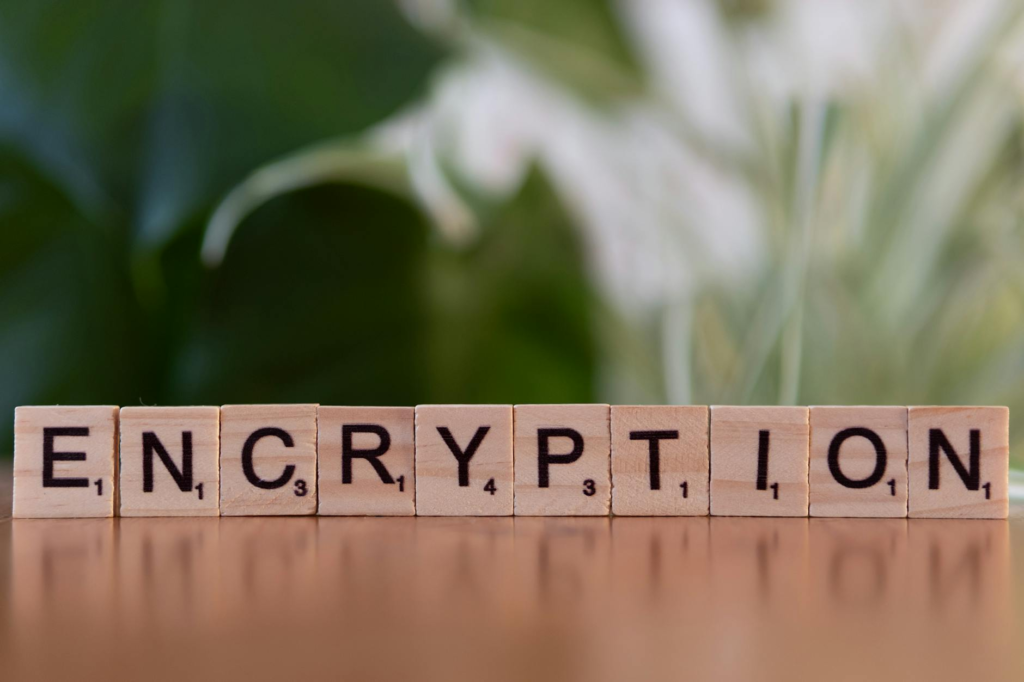
- Data Encryption: Organizations are mandated to implement encryption for sensitive data both in transit and at rest. This measure ensures that even if data breaches occur, unauthorized access to sensitive information is minimized.
- Breach Notification Protocols: Pennsylvania law requires businesses to notify affected individuals within a reasonable timeframe following a data breach. This obligation includes providing details about the nature of the breach, the data involved, and steps taken to mitigate potential harm. The Pennsylvania Attorney General’s Office provides guidelines on how to comply with these requirements.
- Employee Training: Regular employee training on data privacy and security protocols is essential. Employees should be aware of the importance of safeguarding sensitive information and the measures to take in the event of a data incident.
By adhering to these Pennsylvania legal requirements, businesses can enhance their data security posture and comply with Pennsylvania data privacy standards.
Penalties for Non-Compliance
Failure to comply with Pennsylvania’s data protection laws can result in significant penalties. For instance, in 2018, a notable case involved a healthcare provider that faced hefty fines after failing to notify patients about a data breach in a timely manner. This incident not only resulted in financial penalties but also damaged the organization’s reputation and trust among its clients.
Additionally, the Pennsylvania Attorney General can impose fines for violations of data protection regulations, which can escalate depending on the severity and frequency of non-compliance. The costs associated with non-compliance can include legal fees, regulatory fines, and potential lawsuits from affected individuals.
understanding and adhering to the data protection laws Pennsylvania mandates is critical for businesses. By implementing the necessary compliance measures and being aware of potential penalties, organizations can better protect themselves and their customers from data breaches.
Best Practices for Data Protection in Pennsylvania
Implementing Effective Data Protection Strategies
Understanding data protection laws Pennsylvania is crucial for businesses and individuals alike. To comply with Pennsylvania data privacy regulations, organizations should adopt a multi-faceted approach to data protection. Here are some best practices:
- Regular Audits: Conduct routine audits to identify vulnerabilities in your data management practices. These audits can help ensure that your organization adheres to Pennsylvania legal requirements and data protection regulations.
- Employee Training Programs: Implement comprehensive training for employees on data privacy and security best practices. Regular training sessions can help employees recognize potential threats and understand their roles in maintaining data protection.
- Utilizing Data Protection Technologies: Invest in advanced data protection technologies such as encryption and secure access controls. These tools can significantly enhance your organization’s ability to safeguard sensitive information.
- Incident Response Plan: Develop and maintain an incident response plan to address potential data breaches swiftly. A well-defined plan can help mitigate damage and ensure compliance with state regulations.
Resources for Ongoing Compliance with Data Protection Laws Pennsylvania
Staying updated on data protection laws Pennsylvania is essential for long-term compliance. Here are some valuable resources to assist businesses and individuals:
- Pennsylvania Office of Attorney General: This site provides information on data breach notification requirements and consumer protection.
- Pennsylvania Data Privacy Act Overview: A comprehensive guide to understanding data privacy laws in Pennsylvania.
- NIST Cybersecurity Framework: A framework to help organizations manage and reduce cybersecurity risk.
By implementing these best practices and utilizing available resources, businesses and individuals can enhance their compliance with Pennsylvania data protection regulations and ensure the security of sensitive information.
Future of Data Protection Laws in Pennsylvania
Emerging Trends in Data Protection Laws Pennsylvania
The landscape of data protection is evolving rapidly, influenced by rising privacy laws and a growing consumer movement advocating for data rights. In Pennsylvania, these trends are becoming increasingly significant as residents demand greater control over their personal information. The push for transparency and accountability is leading to a more informed public, which in turn pressures lawmakers to respond with robust data protection regulations.
One notable trend is the introduction of comprehensive data privacy laws, similar to those seen in California and Virginia. These laws emphasize consumer rights, including the right to access, delete, and restrict the sale of personal information. As discussions continue in Pennsylvania, stakeholders are examining how to balance the interests of businesses with the rights of consumers. This ongoing dialogue suggests a potential alignment with broader national trends in data privacy, reflecting a collective desire for enhanced protections.

Anticipated Changes in Legislation
As the momentum for stronger data protection laws in Pennsylvania gathers steam, several changes may be on the horizon. Lawmakers are currently debating various proposals aimed at improving Pennsylvania data privacy standards. These discussions include potential regulations that would implement stricter guidelines around data collection, storage, and sharing practices. The aim is to ensure compliance with evolving consumer expectations and address the legal requirements that protect personal data.
Moreover, as technology continues to advance, the need for updated Pennsylvania legal requirements becomes clear. Legislators may introduce measures that address emerging technologies such as artificial intelligence and the Internet of Things (IoT), which present new challenges for data privacy. The goal will be to create a regulatory framework that not only protects consumers but also fosters innovation and economic growth.
the future of data protection laws in Pennsylvania appears poised for significant evolution. The convergence of emerging trends and anticipated legislative changes will likely redefine how personal data is managed and protected in the state. Engaging with these developments will be crucial for both individuals and businesses navigating the landscape of data protection laws Pennsylvania.
For ongoing updates and insights about data protection regulations and legislative changes, stay informed through official state resources and trusted news outlets.
Understanding data protection laws Pennsylvania is crucial for individuals and businesses alike. With the increasing emphasis on Pennsylvania data privacy, compliance with data protection regulations has never been more important. Organizations must grasp Pennsylvania legal requirements to effectively safeguard sensitive information and avoid potential penalties.
As you navigate the landscape of data protection laws Pennsylvania, consider consulting with legal professionals who specialize in this area. Staying informed and proactive will help you align your practices with existing regulations and enhance your data security measures. Take the first step today by reviewing your current data management policies and ensuring they adhere to the latest Pennsylvania data privacy standards.
“`html
What are the data protection laws Pennsylvania businesses must follow?
Businesses in Pennsylvania must comply with several key data protection laws. These include the Pennsylvania Breach of Personal Information Notification Act, which mandates reporting breaches of personal information, as well as compliance with federal regulations like the Health Insurance Portability and Accountability Act (HIPAA) for healthcare data. Additionally, businesses are encouraged to adopt best practices for data security to protect consumer information effectively.
How does Pennsylvania data privacy compare to other states?
Pennsylvania data privacy laws are considered robust but vary compared to other states. While some states, like California, have comprehensive privacy laws such as the California Consumer Privacy Act (CCPA), Pennsylvania focuses primarily on breach notifications and sector-specific regulations. As a result, businesses in Pennsylvania may find themselves navigating a landscape that is less comprehensive than states with overarching privacy laws.
What are the penalties for violating data protection regulations in Pennsylvania?
Violating data protection regulations in Pennsylvania can lead to significant penalties, including fines and potential legal action. The Pennsylvania Attorney General can impose fines for non-compliance with data breach notification laws. Additionally, businesses may face civil lawsuits from affected consumers, which can result in substantial financial liability, depending on the severity of the breach and the damages incurred.
How can businesses ensure compliance with Pennsylvania legal requirements?
To ensure compliance with Pennsylvania legal requirements, businesses should conduct regular audits of their data protection practices, implement strong security measures, and train employees on data handling protocols. Staying informed about updates to Pennsylvania data protection laws is also crucial. Consulting with legal professionals who specialize in data privacy can provide tailored guidance to help businesses navigate compliance effectively.
What steps should consumers take to protect their data in Pennsylvania?
Consumers in Pennsylvania can take several steps to protect their data. This includes using strong, unique passwords for online accounts, regularly monitoring financial statements for unauthorized transactions, and being cautious about sharing personal information. Additionally, consumers should utilize privacy settings on social media and be aware of their rights under Pennsylvania data protection laws, which can help them understand how their data is being used.
Are there any upcoming changes to data protection laws in Pennsylvania?
As of now, there are discussions about potential updates to data protection laws in Pennsylvania, particularly regarding broader consumer privacy rights. Stakeholders are monitoring legislative developments closely. It is advisable for businesses and consumers to stay informed through reliable sources, as changes could significantly impact compliance requirements and consumer rights relating to data privacy.
“`