

Conducting a data protection risk assessment Pennsylvania is essential for organizations navigating the complex landscape of data security and compliance. With increasing regulatory scrutiny and the ever-evolving threat landscape, assessing data risks has never been more critical. This article will provide a comprehensive guide on understanding data protection risk assessments in Pennsylvania, outlining the steps necessary for effectively evaluating your organization’s vulnerabilities. We will explore best practices for assessing data risks, the importance of Pennsylvania risk management strategies, and the value of implementing a thorough data security assessment. Additionally, we will discuss how technology plays a pivotal role in enhancing your data protection efforts. By the end of this article, you will be equipped with actionable insights to address your data protection risks proactively and ensure that your organization remains resilient in the face of potential threats. For further guidance on regulations, visit the Pennsylvania state website and the Cybersecurity and Infrastructure Security Agency (CISA).
Understanding Data Protection Risk Assessment in Pennsylvania
What is a Data Protection Risk Assessment?
A data protection risk assessment is a systematic process that identifies, evaluates, and mitigates risks associated with the handling of sensitive data. This assessment is crucial for organizations in Pennsylvania, where data breaches have become increasingly common. According to the Identity Theft Resource Center, Pennsylvania experienced over 1,300 reported data breaches in 2022 alone, affecting millions of residents. This highlights the urgent need for businesses and organizations to engage in thorough assessing data risks to protect their data and maintain consumer trust.
Why is it Important in Pennsylvania?
Understanding data protection risk assessment in Pennsylvania is essential not only due to the high incidence of data breaches but also because of the state’s stringent data protection laws. The Pennsylvania Data Breach Notification Law mandates that organizations notify affected individuals and the state if their data is compromised. Failure to comply can result in significant penalties, making a comprehensive data security assessment vital for risk management.
Moreover, Pennsylvania businesses must consider the Consumer Protection Law, which emphasizes safeguarding consumer data. Organizations that conduct a data protection risk assessment in Pennsylvania can proactively address vulnerabilities, ensuring compliance with local regulations and protecting themselves from potential legal repercussions.
By implementing a structured approach to data security, organizations can not only mitigate risks but also enhance their reputation and foster consumer confidence. As such, a data protection risk assessment is not merely a regulatory requirement but a strategic imperative for effective Pennsylvania risk management.
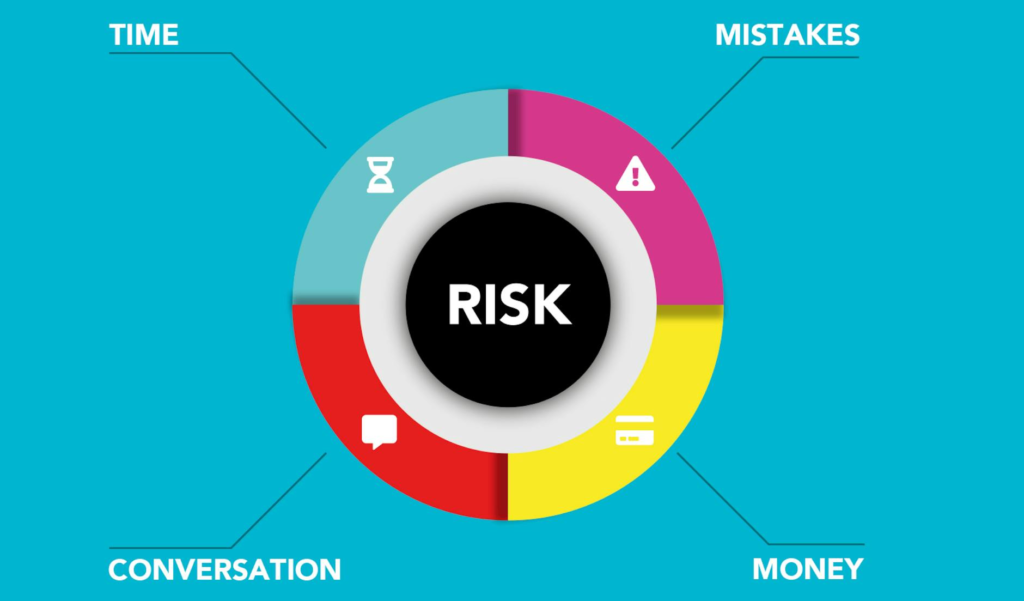
Steps for Conducting a Data Protection Risk Assessment in Pennsylvania
Identifying Your Data Assets
To effectively carry out a data protection risk assessment Pennsylvania, the first step is to identify your organization’s critical data assets. This involves cataloging all types of data you collect, process, and store, including personal information, financial records, and intellectual property. Consider using the following steps:
- Inventory Data Types: Create a comprehensive list of all data categories and formats, including structured data (e.g., databases) and unstructured data (e.g., emails, documents).
- Map Data Flows: Document how data moves within your organization, including collection, processing, storage, and sharing with third parties.
- Prioritize Data Sensitivity: Assess the sensitivity of each data type, categorizing them into low, medium, and high-risk groups based on legal obligations and potential impact.
Evaluating Potential Risks
Once your data assets are identified, the next step in assessing data risks is evaluating potential vulnerabilities. Employ techniques such as vulnerability assessments and threat modeling to uncover weaknesses. Here are some actionable strategies:
- Conduct Vulnerability Assessments: Use tools like Nessus or Qualys to identify security weaknesses in your systems and networks.
- Utilize Threat Modeling Frameworks: Implement methodologies such as STRIDE or PASTA to understand potential threats and their impact on your data.
- Engage in Regular Data Security Assessments: Schedule periodic reviews to ensure that security measures are up-to-date and effective against emerging threats.
By following these steps, organizations in Pennsylvania can better prepare for potential data breaches and ensure compliance with state regulations. For more information on best practices in Pennsylvania risk management, consider consulting local resources or professionals in the field.

Best Practices for Assessing Data Risks in Pennsylvania
Conducting a thorough data protection risk assessment Pennsylvania involves more than just identifying vulnerabilities. It requires the active involvement of key stakeholders and a commitment to regular updates. By following these best practices, organizations can ensure they effectively manage data security risks and remain compliant with Pennsylvania risk management regulations.
Engaging Stakeholders
One of the most critical aspects of assessing data risks is engaging stakeholders across various departments. This includes IT, legal, compliance, and even operations. Each group brings unique insights into the data handling processes and potential vulnerabilities. For instance, IT can identify technical weaknesses, while legal and compliance teams ensure adherence to relevant laws and regulations, such as the Pennsylvania Breach of Personal Information Notification Act.
By fostering a collaborative environment, organizations can more effectively pinpoint risks and develop comprehensive strategies to mitigate them. Regular meetings and workshops can help maintain open communication channels and ensure that everyone is aligned on data security objectives.
Regularly Updating Your Assessment
Data security is not a one-time effort; it requires ongoing attention and proactive measures. Regular updates to your data security assessment are crucial for staying compliant with Pennsylvania risk management practices. New threats emerge continuously, and changes within your organization, such as new technologies or processes, can introduce additional risks.
Establish a routine schedule for reviewing and updating your assessments, ideally at least annually, or whenever significant changes occur. This practice not only helps in maintaining compliance but also in enhancing your overall data protection strategies. Utilize tools and frameworks, like the NIST Risk Management Framework, to standardize your approach in assessing data risks.
By engaging stakeholders and committing to regular updates, organizations can effectively navigate the complexities of data protection risk assessments in Pennsylvania, ultimately safeguarding sensitive information and enhancing their resilience against data breaches.
Implementing Your Findings: A Data Protection Risk Assessment Approach
Developing a Risk Management Plan for Data Protection Risk Assessment Pennsylvania
After conducting a thorough data protection risk assessment in Pennsylvania, the next critical step is to develop a robust risk management plan. This plan should be tailored to address the specific vulnerabilities identified during your assessment. Begin by categorizing risks according to their likelihood and potential impact on your organization. This prioritization will help you allocate resources effectively.
Key components of a risk management plan include:
- Risk Mitigation Strategies: Develop strategies to minimize identified risks. This could include implementing encryption, access controls, and regular training programs for employees on data security best practices.
- Compliance Measures: Ensure your plan aligns with state and federal regulations, such as the Pennsylvania Data Breach Notification Law.
- Incident Response Plan: Prepare a response strategy for potential data breaches to minimize damage and restore normal operations quickly.
Incorporating these elements into your risk management plan will not only help in assessing data risks but also ensure that your organization is proactive in maintaining data security and compliance.
Monitoring and Review Processes for Effective Pennsylvania Risk Management
Implementing a risk management plan is not a one-time activity; it requires continuous monitoring and review to adapt to new challenges and regulatory changes. Establish a schedule for regular audits of your data protection measures to assess their effectiveness. This could mean quarterly reviews or more frequent assessments if your organization undergoes significant changes, such as mergers or technology upgrades.
Key steps in your monitoring and review processes should include:
- Performance Metrics: Define clear metrics to evaluate the success of your data security assessment, such as the number of incidents reported or the time taken to respond to breaches.
- Feedback Loops: Create channels for employees to report security concerns and suggestions, fostering a culture of vigilance.
- Regulatory Updates: Stay informed about changes to data protection laws and regulations in Pennsylvania, ensuring your organization remains compliant.
By establishing these monitoring and review processes, your organization will be better equipped to respond to emerging threats and maintain a strong stance in data security.

The Role of Technology in Data Protection Risk Assessment Pennsylvania
In today’s digital landscape, leveraging technology is essential for effective data protection risk assessment in Pennsylvania. Organizations must utilize innovative tools and solutions to identify, evaluate, and manage data security risks proactively. By employing advanced data security tools, businesses can strengthen their defenses and adhere to compliance requirements.
Leveraging Data Security Tools
One of the most effective ways to conduct a data protection risk assessment in Pennsylvania is through the use of specialized data security tools. These solutions are designed to automate processes, streamline compliance reporting, and enhance risk visibility. Tools such as data loss prevention (DLP) software, encryption technologies, and access management systems can significantly reduce vulnerabilities and safeguard sensitive information.
Additionally, employing vulnerability scanners and penetration testing tools helps in assessing data risks by identifying weaknesses in systems before they can be exploited. Regular use of these tools ensures that organizations maintain a robust data security posture, which is vital for Pennsylvania risk management practices.
Emerging Technologies in Risk Management
Emerging technologies, particularly artificial intelligence (AI) and machine learning, are revolutionizing the landscape of data protection risk assessment. AI-driven analytics can process vast amounts of data quickly, allowing organizations to detect anomalies and potential threats more effectively. Machine learning algorithms can learn from historical data to predict future risks, enabling proactive measures before breaches occur.
Furthermore, these technologies can assist in automating repetitive tasks associated with data security assessments, freeing up valuable human resources for more strategic initiatives. By integrating such innovative solutions, businesses not only enhance their data security assessment capabilities but also position themselves as leaders in the field of data protection.
As organizations in Pennsylvania continue to navigate the complexities of data security, embracing technology will be key to staying ahead of emerging threats and ensuring effective risk management strategies are in place. 
Conclusion: Taking Action on Your Data Protection Risks
Conducting a thorough data protection risk assessment Pennsylvania is essential for safeguarding your organization’s sensitive information. In today’s digital landscape, where data breaches and cyber threats are increasingly common, a proactive approach to data security is not just advisable, it is imperative. A well-executed data security assessment allows you to identify vulnerabilities, assess the potential impact of these risks, and implement effective mitigation strategies.
Prioritizing data protection ensures compliance with state and federal regulations, such as the Pennsylvania Breach of Personal Information Notification Act, which mandates timely notification in case of data breaches. By effectively managing Pennsylvania risk management, organizations can avoid costly penalties and damage to reputation, which can arise from inadequate data protection measures.
Importance of a Data Protection Risk Assessment in Pennsylvania
Taking action on assessing data risks means regularly updating your risk management strategies and adapting to new threats. Begin by conducting a comprehensive assessment to identify where your data is stored, who has access to it, and what security measures are currently in place. This foundational understanding enables you to make informed decisions about necessary enhancements.
- Develop a Risk Management Plan: After your assessment, create a plan that outlines your strategies for mitigating identified risks.
- Implement Security Measures: Invest in technological solutions such as encryption, firewalls, and intrusion detection systems to bolster your defenses.
- Conduct Regular Reviews: Schedule periodic reviews of your data security assessment to adapt to evolving threats.
By taking these proactive steps, you not only protect your organization but also foster trust among your clients and stakeholders. Data protection is a continuous process, and staying vigilant is key to reducing vulnerabilities. Remember, the responsibility of safeguarding data lies with everyone in the organization, making it crucial to cultivate a culture of security awareness.
For a visual guide on developing a risk management plan, refer to the following image:

addressing data protection risks through a comprehensive assessment is vital for any organization operating in Pennsylvania. By prioritizing data security and implementing effective management strategies, you can significantly reduce the risk of data breaches and enhance your overall operational integrity.
Conducting a thorough data protection risk assessment in Pennsylvania is essential for organizations aiming to safeguard their sensitive information. By assessing data risks, you can identify vulnerabilities, enhance your data security assessment, and ultimately strengthen your defenses against potential breaches. Engaging in proactive Pennsylvania risk management practices not only protects your data but also bolsters your organization’s reputation and trustworthiness.
As you embark on this crucial journey, consider implementing a structured approach to evaluating your data protection measures. Start by conducting a comprehensive audit of your current systems and policies, followed by a detailed examination of potential risks and vulnerabilities. The next step is to prioritize these risks and develop an actionable plan to address each one systematically. By taking these steps, you can ensure that your organization remains compliant with regulations and prepared to face emerging threats effectively.
“`html
What is a data protection risk assessment in Pennsylvania?
A data protection risk assessment in Pennsylvania is a systematic process to identify, evaluate, and mitigate risks associated with the handling of personal data. This assessment helps organizations understand potential vulnerabilities, comply with legal requirements, and protect sensitive information. By conducting a thorough analysis, businesses can enhance their data security measures, ensuring compliance with state and federal regulations.
How often should I assess my data protection risks?
It is advisable to conduct a data protection risk assessment Pennsylvania at least annually. However, assessments should also be performed whenever there are significant changes in business operations, such as new technologies, changes in data handling practices, or updates to applicable laws. Regular assessments help organizations stay proactive in identifying and addressing emerging risks.
What laws govern data protection in Pennsylvania?
Data protection in Pennsylvania is governed by several laws, including the Pennsylvania Data Breach Notification Law, which mandates notification to individuals in the event of a data breach. Additionally, organizations must comply with federal laws such as the Health Insurance Portability and Accountability Act (HIPAA) for health data, and the Gramm-Leach-Bliley Act (GLBA) for financial data. Understanding these laws is crucial for effective risk management.
What are the steps in assessing data risks?
Assessing data risks typically involves several key steps: identifying data assets, determining potential threats and vulnerabilities, evaluating the impact of each risk, and implementing mitigation strategies. Organizations should also prioritize risks based on their potential impact and likelihood of occurrence. Finally, continuous monitoring and reevaluation are essential to adapt to new threats and changing business environments.
How can technology help in data security assessment?
Technology plays a vital role in data security assessment by offering tools for vulnerability scanning, threat detection, and data encryption. Advanced software can automate the risk assessment process, providing real-time analytics and reporting. Additionally, technology solutions enable organizations to monitor data access and usage, ensuring compliance with data protection regulations and enhancing overall security posture.
What should be included in a risk management plan?
A comprehensive risk management plan should include an inventory of data assets, a summary of identified risks, risk prioritization, and mitigation strategies. It should also define roles and responsibilities for team members, outline incident response procedures, and establish monitoring and review processes. Regular updates to the plan are crucial to ensure it remains effective and relevant to evolving threats.
“`