
The influence of social media witness testimony in Pennsylvania has become an increasingly critical topic in today’s legal landscape. As platforms like Facebook, Twitter, and Instagram permeate everyday life, their impact on witness credibility is profound, reshaping how testimonies are perceived in court. This article delves into the multifaceted role that social media plays in witness testimony within Pennsylvania, examining how digital interactions can sway public opinion and legal outcomes. We will explore the impact of social media on witness credibility, highlighting notable court cases and social media’s role as a new form of evidence. Furthermore, we will discuss strategies to mitigate the effects of social media on testimony, ensuring that justice remains the focal point in legal proceedings. Lastly, we will consider the future of social media and its implications for witness testimony in Pennsylvania. By understanding these dynamics, legal professionals and the public alike can better navigate the complexities introduced by the digital age. For more insights, visit [Pennsylvania Bar Association](https://www.pabar.org) and [American Bar Association](https://www.americanbar.org).
The Role of Social Media in Witness Testimony in Pennsylvania
Understanding Witness Testimony
Witness testimony plays a crucial role in court cases, serving as a pivotal element in establishing facts and influencing jury decisions. In Pennsylvania, the integrity and reliability of witness accounts are paramount, as they can significantly sway the outcomes of trials. However, with the advent of social media, the landscape of witness testimony has begun to shift dramatically. Social media platforms have become arenas where information is rapidly disseminated, often complicating the evaluation of witness credibility.
The Rise of Social Media Influence on Social Media Witness Testimony in Pennsylvania
The influence of social media on witness testimony in Pennsylvania cannot be overstated. Recent studies have shown that a significant portion of witnesses may turn to social media to share their experiences and opinions about ongoing court cases, inadvertently affecting public perception and the credibility of their testimonies. For example, a study published by the American Bar Association found that 60% of jurors admitted to using social media to gather information about cases they were involved in. This trend raises concerns about the impact of social media on witness behavior and the potential for bias in jury decisions.
Moreover, as witnesses share their thoughts and evidence online, the authenticity of their testimonies may come under scrutiny. Social media platforms can amplify misinformation or sensational narratives, which can lead to questions regarding witness reliability. According to a report by Pew Research Center, nearly 70% of adults in the U.S. use social media, highlighting its pervasive influence. This statistic underscores the potential for witnesses in Pennsylvania to be swayed by public opinion, further complicating the legal landscape.
the integration of social media into the realm of witness testimony represents a double-edged sword. While it can empower witnesses to share their experiences and support their claims, it also poses risks to witness credibility and the integrity of court cases. Legal professionals must navigate these challenges carefully to ensure that the truth prevails in Pennsylvania’s courtrooms.

Impact of Social Media on Witness Credibility in Pennsylvania
How Social Media Affects Perceptions
Social media has become a powerful tool that shapes public opinion, and its influence extends to the courtroom, significantly affecting witness credibility in trials across Pennsylvania. When witnesses share their perspectives, posts, or comments about ongoing cases, they open the door for jurors and the public to form opinions based on this information. These perceptions can heavily sway the outcome of legal proceedings, as jurors may unconsciously rely on social media narratives rather than objective evidence.
For instance, a witness who shares their opinions on social media regarding a case may inadvertently alter how others perceive their reliability. If a witness expresses bias or shares personal grievances about law enforcement, their credibility may be called into question during testimony. This impact of social media can lead to a scenario where jurors are influenced more by social media representations than by the witness’s actual words in court.
Case Studies: Social Media in Action
Several court cases in Pennsylvania highlight the ramifications of social media on witness testimony. In a notorious case, a witness’s Facebook posts about the defendant led to a mistrial when the judge discovered that jurors had viewed these posts, raising concerns about impartiality. Such instances illustrate the delicate balance of witness credibility and the potential pitfalls of social media interaction during ongoing trials.
Another example is the case of a murder trial in Philadelphia, where jurors were expelled due to their interactions on social media, demonstrating how court cases and social media can collide with serious consequences. These examples underscore the need for witnesses in Pennsylvania to be cautious about their online presence and interactions during legal proceedings.
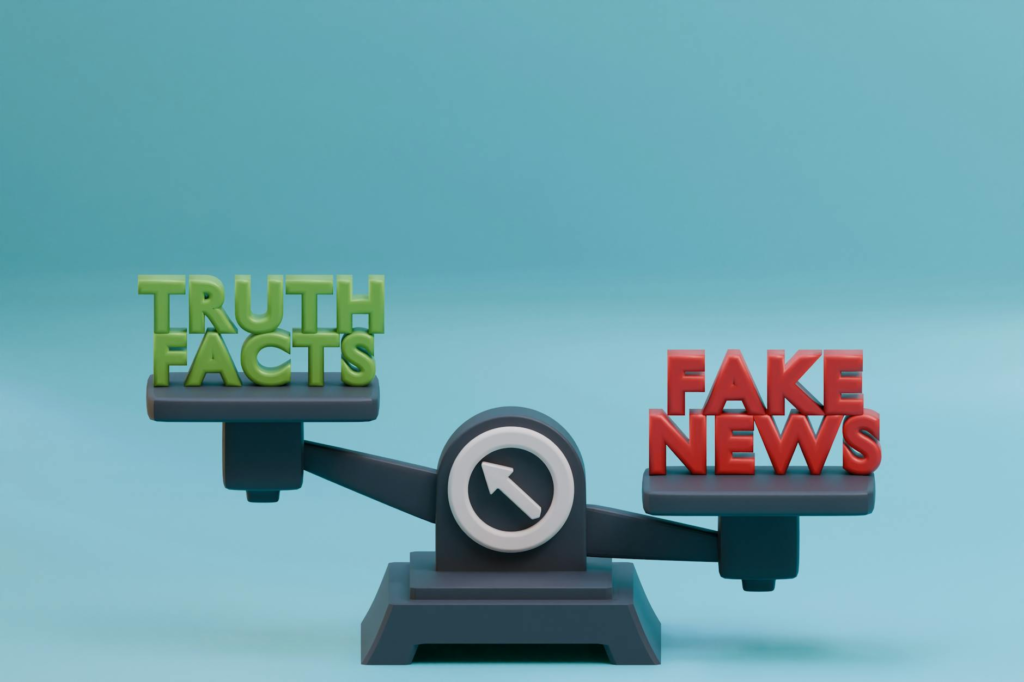
To safeguard their credibility, witnesses must understand the implications of their online behavior. Encouraging witnesses to limit their social media activity during trials can help maintain the integrity of their testimony and the judicial process as a whole. Ultimately, the intersection of social media witness testimony in Pennsylvania and courtroom dynamics necessitates a proactive approach to ensure fairness and justice in legal proceedings.
Court Cases and Social Media: A New Era of Evidence
The integration of social media into daily life has given rise to new challenges and opportunities in the courtroom. Courts in Pennsylvania are increasingly faced with the effects of social media on witness testimony, prompting a reevaluation of how evidence is gathered and assessed. The impact of social media on legal proceedings is undeniable, as it can influence witness credibility and the overall integrity of testimonies.
Courtroom Challenges Arising from Social Media
One of the primary challenges attorneys encounter is the potential for witnesses to be influenced by online commentary or interactions prior to their testimony. This raises questions about the reliability of witness accounts, particularly if witnesses have been exposed to biased information through social media platforms. Attorneys must navigate these complex waters, often needing to investigate the online activities of witnesses to understand how these may affect their credibility and statements.
Moreover, the admissibility of social media evidence can be contentious. Judges are tasked with determining what constitutes reliable evidence, often requiring a careful examination of how social media content is generated and shared. As courts adapt to the realities of court cases and social media, they are increasingly establishing guidelines for presenting and evaluating this type of evidence. For instance, courts may require that social media posts be authenticated before being admitted as evidence, ensuring that they accurately reflect the witness’s statements and intentions.
Legal Precedents in Pennsylvania
Recent rulings in Pennsylvania have underscored the evolving landscape of social media witness testimony. In Commonwealth v. McFadden, the Pennsylvania Supreme Court addressed the admissibility of social media evidence, reinforcing the need for clear standards and protocols. This case highlighted how courts are beginning to recognize the significance of social media in shaping witness narratives and, in turn, court outcomes.
Judges in Pennsylvania are also increasingly aware of the need for jurors to remain unbiased, prompting discussions about juror exposure to social media during trials. As social media platforms continue to evolve, so too will the legal frameworks surrounding them. For more information on the evolving standards regarding social media in Pennsylvania courts, consult the Pennsylvania Bar Association guidelines.
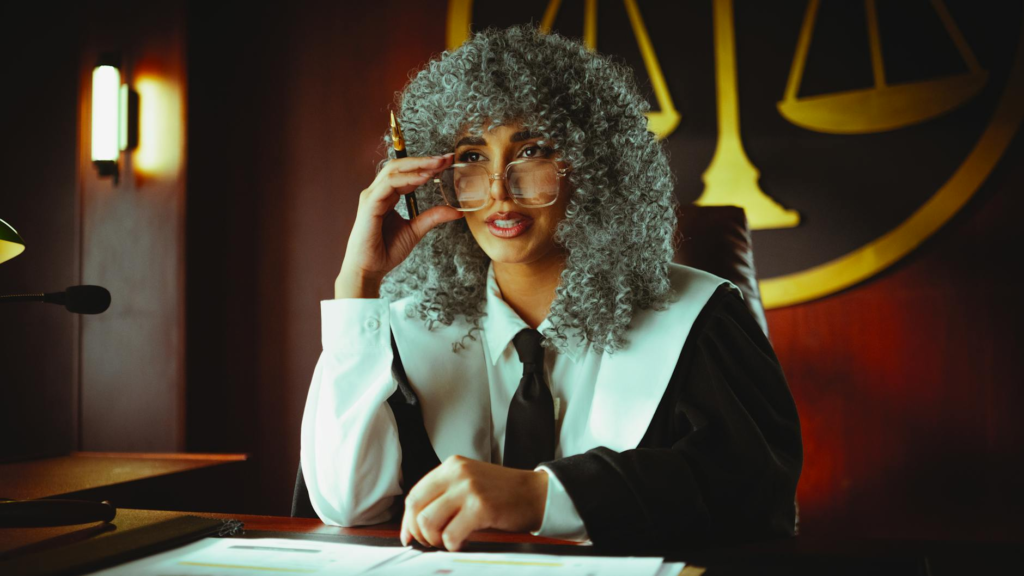
As attorneys and judges work together to address these challenges, it is crucial for legal professionals to stay informed about the latest developments regarding social media witness testimony Pennsylvania. By doing so, they can better prepare for the complexities that social media brings into the courtroom environment.
Strategies to Mitigate the Impact of Social Media on Testimony
The influence of social media on witness testimony in Pennsylvania poses significant challenges for legal proceedings. However, with the right strategies, both attorneys and witnesses can mitigate these effects. Here are actionable steps to enhance witness credibility and ensure reliable testimony amid the pervasive presence of social media.
Educating Witnesses About Social Media
One of the first steps in addressing the impact of social media on witness testimony is to educate witnesses about their online presence. Many individuals underestimate how their social media activity can affect their credibility in court. Here are some strategies for fostering awareness:
- Conduct Workshops: Attorneys should host workshops that focus on the implications of social media in court cases and social media. These sessions can cover topics such as privacy settings, the permanence of online posts, and the potential for misinterpretation.
- Promote Best Practices: Advise witnesses to maintain a low profile online during ongoing legal matters. This includes refraining from discussing the case or sharing opinions that could be construed as bias.
- Monitor Online Activity: Encourage witnesses to regularly check their social media accounts for any posts or comments that could be damaging to their testimony or credibility.
Best Practices for Legal Professionals to Handle Social Media Evidence
Legal professionals must also adapt to the evolving landscape of social media witness testimony in Pennsylvania. Here are some best practices to manage social media evidence effectively:
- Gather Evidence Proactively: Attorneys should act quickly to collect relevant social media posts that may pertain to the case. This can help establish context and provide a clearer picture of witness behavior and intentions.
- Assess Reliability: When evaluating social media content, consider the source and context of the information. This is crucial for maintaining witness credibility and ensuring that the evidence presented in court is reliable.
- Use Expert Testimony: In some cases, it may be beneficial to bring in a digital forensics expert to analyze social media data and explain its relevance to the case. This can help the court understand the nuances of the digital landscape.
By implementing these strategies, both witnesses and legal professionals can navigate the complexities of social media witness testimony in Pennsylvania more effectively. Education and proactive measures are key to minimizing the adverse effects of social media on the judicial process. 
For more information on managing witness testimony and the impact of social media, consider exploring legal guidelines and best practices tailored for Pennsylvania courts. witness credibility in Pennsylvania trials
The Future of Social Media and Witness Testimony in Pennsylvania
Emerging Trends and Technologies in Social Media Witness Testimony Pennsylvania
As social media continues to evolve, its influence on witness testimony in Pennsylvania is expected to deepen. Platforms like Twitter, Instagram, and TikTok are not just avenues for personal expression; they can also serve as vital sources of evidence in court cases. The impact of social media is profound, as it allows witnesses to share real-time information, potentially swaying public opinion and impacting witness credibility. This trend is particularly evident in high-profile cases where jurors may access social media content to form opinions before entering the courtroom.
Technological advancements, such as artificial intelligence and machine learning, are also shaping how social media testimony is evaluated. Tools that analyze sentiment can gauge public perception surrounding a case, while algorithms may identify patterns in witness behavior online. The integration of these technologies could lead to more nuanced evaluations of witness credibility, making it essential for legal professionals to stay informed about these developments.

The Continuing Evolution of Legal Standards for Social Media Witness Testimony Pennsylvania
As the intersection of law and social media evolves, legal standards in Pennsylvania will likely adapt to address new challenges. Courts are beginning to recognize the importance of social media evidence, but standards for admissibility are still being defined. Legal frameworks must consider the rapidly changing landscape of social media, including privacy issues and the authenticity of content.
Future legal standards may require more stringent guidelines for verifying the credibility of social media posts used in court. This evolution will ensure that witness testimony remains reliable and relevant in the face of the digital age. Legal practitioners must remain vigilant and proactive, continuously updating their knowledge and strategies to navigate the complexities of court cases and social media. Staying informed about emerging trends, technologies, and legal standards is crucial for anyone involved in the legal field in Pennsylvania.
By understanding the future of social media witness testimony in Pennsylvania, legal professionals can better prepare for the challenges and opportunities that lie ahead, ensuring that justice is served in an increasingly digital world. serving as a witness in Pennsylvania trials
The influence of social media on witness testimony in Pennsylvania raises important questions about witness credibility and the reliability of evidence presented in court cases. As platforms increasingly serve as sources of information, jurors may encounter biases that can distort their perceptions of a witness’s reliability. Understanding the impact of social media on how testimonies are interpreted is crucial for legal professionals navigating modern courtroom dynamics.
Legal practitioners must remain vigilant in assessing how social media affects witness testimony in Pennsylvania. By staying informed about the evolving landscape of court cases and social media, attorneys can better prepare their strategies and ensure that witness statements are evaluated fairly. Engaging with ongoing research and emerging best practices will be essential for anyone involved in litigation where social media plays a role. For those interested in further exploring this topic, consider reviewing witness statements in Pennsylvania criminal investigations or consulting with experts in digital evidence to enhance your understanding of this complex issue.
“`html
How does social media influence witness testimony in Pennsylvania?
Social media influences witness testimony in Pennsylvania by shaping perceptions and providing a platform for information dissemination. Witnesses may be exposed to opinions, facts, or misinformation that can alter their recollection of events. The immediacy and accessibility of social media can lead to bias, as witnesses may unintentionally conform to popular narratives or opinions shared online, thereby impacting the reliability of their testimony.
What is the impact of social media on witness credibility?
The impact of social media on witness credibility can be significant. Social media profiles can reveal personal biases, affiliations, and opinions that might lead jurors to question a witness’s objectivity. Additionally, if a witness engages in behavior online that contradicts their testimony, it can further undermine their credibility in court. The digital footprint left by witnesses can be scrutinized to assess their reliability.
Are there any court cases that highlight social media’s role in testimony?
How can witnesses protect their credibility on social media?
Witnesses can protect their credibility on social media by avoiding discussions about the case and refraining from sharing opinions or information that could be construed as biased. They should also ensure their privacy settings are appropriately managed to limit access to their posts. Maintaining professionalism online and being aware of the potential implications of their digital footprint can help safeguard their credibility.
What legal precedents exist regarding social media evidence in Pennsylvania?
Legal precedents in Pennsylvania regarding social media evidence include rulings that allow social media content to be admissible in court if it is relevant to the case. Courts have established guidelines for obtaining social media evidence, ensuring that it is authentic and not tampered with. Cases like Commonwealth v. McCoy have set standards for the admissibility of such evidence.
What strategies can legal professionals use to address social media in court?
Legal professionals can use various strategies to address social media in court, such as conducting thorough investigations into the social media presence of witnesses and defendants. They can also present social media evidence to support or refute testimonies. Educating jurors about the potential biases introduced by social media can help contextualize the evidence. Additionally, crafting clear arguments about the relevance and authenticity of social media content can be crucial for its admissibility.
“`