

Creating a fraud-resistant donation strategy is essential for ensuring the integrity of charitable contributions in Pennsylvania. As the nonprofit sector continues to grow, so does the risk of charity fraud, which can undermine trust and divert valuable resources from genuine causes. This article delves into the importance of developing a robust Pennsylvania donation strategy that incorporates essential measures for charity fraud prevention. Readers will learn about the key components of a fraud-resistant donation strategy, including effective communication and transparency, as well as practical steps to implement safe giving practices both for donors and organizations. By fostering a secure and trustworthy charitable landscape, we can ensure that donor intent is respected and that contributions make a real difference in our communities. Join us as we explore how to build a resilient donation framework that not only protects donors but also enhances the reputation of Pennsylvania’s charitable organizations.
Understanding the Need for a Fraud-Resistant Donation Strategy
The Rise of Charity Fraud
Charity fraud is an escalating concern, particularly in Pennsylvania, where incidents have surged in recent years. A report from the Pennsylvania Department of State revealed that nearly 30% of residents have encountered a fraudulent solicitation for donations, highlighting the urgent need for effective charity fraud prevention measures. Criminals often exploit the goodwill of citizens, creating fake charities or misrepresenting their intentions to siphon off donations intended for legitimate causes.
This trend poses significant risks not only to unsuspecting donors but also to the integrity of the charitable sector as a whole. When fraudulent activities overshadow genuine efforts, trust in charitable organizations diminishes, making it more challenging for legitimate charities to secure funding. In Pennsylvania, this has led to a disheartening cycle where potential contributors become increasingly hesitant to support causes, fearing their money may not reach those in need.
Impact on Donors and Charities
The implications of charity fraud extend far beyond financial losses. For donors, the emotional toll of being deceived can lead to a loss of faith in community initiatives and charitable giving as a whole. Furthermore, when individuals are scammed, they may become less likely to engage in future philanthropy, which undermines the efforts of reputable organizations striving to make a difference.
For legitimate charities, the fallout from fraud can be severe. Increased scrutiny and skepticism from potential donors can result in decreased funding, limiting their ability to fulfill their missions. This is where implementing a fraud-resistant donation strategy becomes essential. Such a strategy can empower donors with the knowledge and tools to make informed decisions, ensuring their contributions are directed to trustworthy organizations. Establishing safe giving practices not only protects individual donors but also helps sustain the charitable landscape in Pennsylvania and beyond.

Key Components of a Fraud-Resistant Donation Strategy
Researching Charities Effectively
Effective research is the cornerstone of a fraud-resistant donation strategy. Donors should start by verifying the legitimacy of a charity before making any contributions. This involves checking the charity’s registration status with the National Association of State Charity Officials (NASCO), which provides a comprehensive list of registered charities in Pennsylvania. Additionally, platforms like Charity Navigator and GuideStar offer valuable insights into a charity’s financial health and operational transparency.
Donors should also scrutinize a charity’s mission, programs, and impact. Reading reviews and testimonials from other donors can provide a clearer picture of the organization’s effectiveness and trustworthiness. By conducting thorough research, individuals can significantly reduce their risk of falling victim to charity fraud and ensure that their contributions are making a meaningful impact.

Utilizing Technology for Safe Giving Practices
In today’s digital age, utilizing technology can enhance safe giving practices. Online donation platforms provide secure options for contributing to charities, often employing encryption to protect personal and financial information. Donors can look for websites that display security badges, indicating that they have taken measures to safeguard transactions.
Moreover, apps and browser extensions designed for charity fraud prevention can alert users to potentially fraudulent organizations. Tools like BBB Wise Giving Alliance and CharityWatch offer resources that enable donors to stay informed about reputable charities and any known scams. By leveraging technology, individuals can enhance their fraud-resistant donation strategy, ensuring that their generosity reaches those in need safely and effectively.
Implementing Charity Fraud Prevention Measures
Educating Yourself and Others About a Fraud-Resistant Donation Strategy
One of the most effective ways to combat charity fraud is through education. Understanding the common tactics used by fraudsters can empower both individuals and communities to protect themselves. Start by informing yourself about charity scams and their warning signs. Resources like the Federal Trade Commission provide valuable insights that can help you recognize red flags when donating.
Community-wide education initiatives can enhance charity fraud prevention efforts. Organize workshops or seminars at local community centers to discuss safe giving practices. Collaborate with reputable organizations like the Better Business Bureau or local charities to provide expert-led sessions. Share materials through social media and local newsletters to reach a broader audience, ensuring that more people are aware of the importance of verifying charities before donating.
Establishing Trustworthy Donation Channels for a Fraud-Resistant Donation Strategy
Creating reliable channels for donations is crucial in mitigating the risk of fraud. Always direct donations to established organizations with a proven track record. Utilize resources like Charity Navigator or GuideStar to check the legitimacy of a charity before making a contribution. These platforms provide transparency and help you make informed decisions that align with a Pennsylvania donation strategy.
Encourage your community to adopt these practices by sharing success stories of verified charities that have made a positive impact. Encourage friends and family to use trusted online platforms that offer secure donation methods, ensuring that their contributions go directly to the intended cause. By fostering a culture of awareness and reliability, we can collectively enhance our fraud-resistant donation strategy.

Developing a Comprehensive Pennsylvania Donation Strategy
To establish a fraud-resistant donation strategy, it’s essential to engage with local organizations that are well-versed in charity fraud prevention. Pennsylvania is home to a wide array of reputable charities, each with its own mission and community focus. By collaborating with these local organizations, donors can gain insight into the most effective giving practices and learn about the specific needs of their communities. This engagement not only supports local causes but also enhances the overall transparency of the donation process.
Engaging with Local Organizations
One of the best ways to ensure that your donations make a meaningful impact is by connecting with local charities. These organizations often have established protocols for vetting donations and can provide guidance on safe giving practices. Consider attending local fundraising events, workshops, or community meetings to familiarize yourself with the organizations operating in your area. This active participation fosters trust and accountability, which are critical components of a fraud-resistant donation strategy.
- Research local charities through platforms like GuideStar or Charity Navigator.
- Engage in community outreach to understand the impact of your contributions.
- Collaborate with organizations that have a proven track record of transparency and accountability.
Monitoring and Reporting Suspicious Activity
Staying vigilant is key to ensuring the integrity of your donations. Monitor your charitable giving by keeping detailed records of your donations, including receipts and correspondence. If you encounter any suspicious activity, report it promptly to local authorities or organizations dedicated to charity fraud prevention. The Pennsylvania Attorney General’s Office provides resources for reporting charity fraud, making it easier for donors to take action when needed.
Additionally, educate yourself about common fraud schemes that target donors. Recognizing red flags, such as unsolicited requests for donations or pressure tactics, can help you avoid falling victim to scams. By maintaining awareness and encouraging others to do the same, you contribute to a culture of safe giving practices.
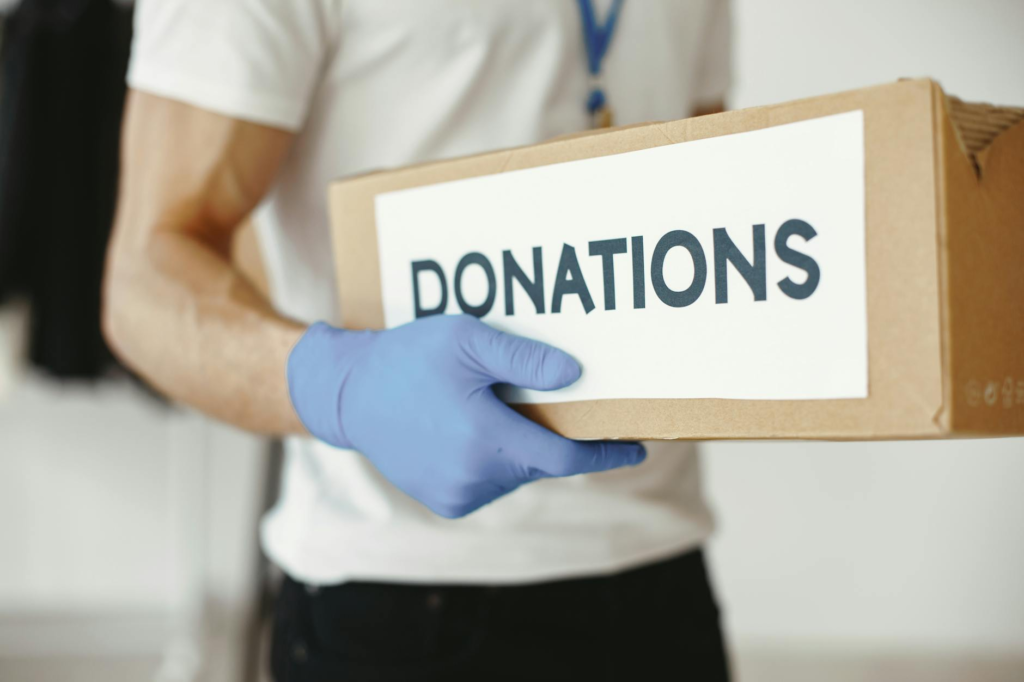
Implementing these strategies not only helps protect your contributions but also strengthens the philanthropic landscape in Pennsylvania. By working together with local organizations and remaining vigilant, we can create a safer and more effective donation environment for everyone.
For more information about effective giving strategies, consider exploring resources from the National Association of Secretaries of State or Dangerous Charity Scams in Pennsylvania History.
Conclusion: Building Trust in Pennsylvania’s Charitable Landscape
Establishing a fraud-resistant donation strategy is essential for fostering a secure charitable environment in Pennsylvania. With charity fraud on the rise, it is crucial for both donors and organizations to prioritize transparency and accountability. By implementing effective charity fraud prevention measures, we can create a culture of trust that encourages generous giving while safeguarding resources meant for those in need.
To cultivate a safer giving ecosystem, donors should adopt safe giving practices. This includes conducting thorough research on charities, verifying their registration with the Pennsylvania Department of State, and reviewing their financial statements. Tools like Guidestar and Charity Navigator can provide valuable insights into an organization’s credibility and financial health. Additionally, engaging with local community boards and attending charity events can enhance your awareness of legitimate organizations actively working in Pennsylvania.
Organizations also play a pivotal role in building trust. By clearly communicating their mission and financial practices, they can attract donors who are committed to supporting genuine causes. Implementing transparency measures, such as publicly sharing annual reports and audit results, can further reinforce donor confidence. Collaboration with regulatory bodies to ensure compliance with state laws, including the Pennsylvania Charitable Organizations Act, is another vital step that organizations can take to enhance legitimacy.
Encouraging a community-wide commitment to a fraud-resistant donation strategy not only protects individuals but also uplifts the entire charitable sector in Pennsylvania. By taking these actionable steps, every stakeholder can contribute to a more secure and trustworthy charitable landscape. Together, we can make a significant difference, ensuring that donations reach those who truly need them.

Implementing a robust fraud-resistant donation strategy is essential for ensuring that charitable contributions reach their intended causes in Pennsylvania. By prioritizing charity fraud prevention and adopting safe giving practices, donors can significantly reduce the risk of falling victim to scams. Educating yourself about the organizations you support and utilizing resources that provide transparency will go a long way in building a secure donation environment.
As you develop your Pennsylvania donation strategy, consider leveraging tools and resources that enhance your understanding of the charity landscape. Stay informed about potential threats and actively participate in community discussions about safe giving practices. Taking these steps will not only protect your contributions but also foster a stronger culture of accountability within the charitable sector. Begin by reassessing your current donation practices and integrating effective fraud-resistant measures to create a safer giving experience for yourself and others.
“`html
What is a fraud-resistant donation strategy?
A fraud-resistant donation strategy involves implementing measures that minimize the risk of charity fraud when making donations. This includes verifying the legitimacy of charities, understanding how funds are used, and ensuring that donations are made through secure channels. By developing a thoughtful approach to giving, donors can protect themselves and their contributions, fostering a safer charitable environment.
How can I prevent charity fraud when donating?
To prevent charity fraud when donating, always research the organization before contributing. Check for registration with the state of Pennsylvania and look for financial transparency, such as annual reports and tax filings. Use trusted platforms for donations, and avoid giving to charities that pressure you for immediate donations. Ensuring that the charity has a good track record is essential for charity fraud prevention.
What are safe giving practices to follow?
Safe giving practices include verifying the charity’s credentials, reading reviews, and ensuring they are registered with the IRS. Always use secure payment methods and avoid giving cash. Look for organizations that provide clear information on how donations are used. Following these practices can enhance your fraud-resistant donation strategy.
How do I research charities in Pennsylvania?
Researching charities in Pennsylvania can be done through the Pennsylvania Department of State’s Bureau of Charitable Organizations website. This resource provides information on registered charities and their financial history. Additionally, platforms like Charity Navigator and Guidestar offer insights into the performance and accountability of various charities, helping you make informed decisions.
What should I do if I suspect charity fraud?
If you suspect charity fraud, report it to the Pennsylvania Department of State or your local authorities. Gather any evidence you have, such as emails or receipts, and provide this information when filing your report. You can also alert other potential donors by sharing your experience on social media or review platforms, helping to protect others from fraud.
Are there tools to help ensure safe donations?
Yes, there are several tools available to help ensure safe donations. Websites like Charity Navigator and GuideStar can help you evaluate a charity’s legitimacy and financial health. Additionally, using secure payment platforms and donation apps that have verification processes can further enhance your fraud-resistant donation strategy, making your charitable giving safer and more effective.
“`