

The community role in crime stoppers is pivotal to the success of crime-solving initiatives across the nation. In Pennsylvania, numerous success stories PA Crime Stoppers exemplify how local engagement can lead to significant reductions in crime and enhanced safety. This article delves into the vital partnership between communities and Crime Stoppers, highlighting inspiring success stories that showcase the impact of community involvement in crime-solving efforts. By examining how community engagement strengthens these programs, we will explore the challenges faced in fostering such collaboration and propose effective solutions. Additionally, we will discuss the future trajectory of the community role in Crime Stoppers, emphasizing the importance of sustained engagement for ongoing success. Through various case studies and expert insights, we aim to illuminate how communities not only support but also drive the success of Crime Stoppers initiatives, making neighborhoods safer for everyone. For further reading on this topic, visit Crime Stoppers USA or explore Crime Watch PA for local resources.
The Community Role in Crime Stoppers: A Vital Partnership
Understanding Crime Stoppers
Crime Stoppers is a community-based initiative that empowers citizens to participate actively in the fight against crime. By providing a secure and anonymous platform for reporting suspicious activities, it fosters a collaborative environment where law enforcement and the community work together to enhance public safety. Through various programs and outreach efforts, Crime Stoppers has successfully led to numerous crime-solving efforts, contributing to safer neighborhoods across the country.
The Importance of Community Engagement in Crime Stoppers
The community role in Crime Stoppers is essential for its success. Engaging local residents not only helps in gathering critical information but also builds trust between law enforcement and the public. Active participation from community members can significantly increase the volume of tips received, leading to timely interventions and arrests. For instance, success stories from PA Crime Stoppers illustrate how community engagement has directly contributed to solving high-profile cases, demonstrating the tangible benefits of collaboration.
When community members feel invested in their safety, they are more likely to report suspicious activities and share information. This enhanced communication leads to an effective partnership where law enforcement can act swiftly based on actionable intelligence provided by the public. Furthermore, community engagement initiatives, such as public meetings and workshops, can educate residents on crime prevention strategies, thereby strengthening community ties and enhancing overall crime-solving efforts.
- Encourage local schools and organizations to participate in Crime Stoppers programs.
- Host community events to raise awareness about crime prevention and reporting mechanisms.
- Promote anonymous tip lines through social media campaigns to reach a wider audience.
Ultimately, the success of Crime Stoppers hinges on the active involvement of the community. By fostering a culture of vigilance and support, communities can not only reduce crime rates but also create a safer environment for all. For those interested in learning more about how to engage with local Crime Stoppers initiatives, PA Crime Stoppers Program Overview: Impact and Insights.

Success Stories from PA Crime Stoppers: Community Impact
Case Studies of Success
The community role in crime stoppers is vital, as demonstrated by several compelling success stories from PA Crime Stoppers. One notable case involved the apprehension of a suspect in a string of burglaries across several counties. Thanks to the diligent work of community members who provided tips, law enforcement was able to gather crucial evidence that led to the suspect’s arrest. This case not only highlights the effectiveness of community engagement but also underscores the power of collective vigilance in crime solving.
Another impactful story involved a missing person case that had gone cold. After a local resident contacted PA Crime Stoppers with a tip about a suspicious vehicle seen near the last known location of the missing individual, investigators were able to follow up on the lead. This resulted in a breakthrough that ultimately led to the recovery of the missing person, showcasing how community input can directly influence outcomes in law enforcement.
The Role of Tips and Community Input
Tips from community members have proven to be instrumental in solving crimes. Trust in the anonymity of the reporting process encourages more individuals to come forward, knowing they can share information without fear of retaliation. PA Crime Stoppers emphasizes this aspect, as anonymity is a cornerstone of their program, fostering an environment where community engagement thrives.
Statistics reveal that over 80% of the cases solved through PA Crime Stoppers have involved tips from the public. This highlights the significant impact that community involvement has on enhancing public safety. By empowering citizens to participate in crime solving, law enforcement agencies can leverage valuable insights that might otherwise go unreported.
These success stories from PA Crime Stoppers serve as a powerful reminder of the crucial community role in crime stoppers. When citizens and law enforcement work together, the results can be transformative, leading to safer neighborhoods and a stronger sense of community. 
How Community Engagement Enhances Crime Solving Efforts
Building Trust Between Law Enforcement and the Public
Effective crime solving relies heavily on the partnership between law enforcement and the community. The community role in crime stoppers is pivotal in fostering trust, which serves as the foundation for collaboration. When community members feel safe and valued, they are more likely to share vital information that can lead to the resolution of crimes. Trust is built through consistent, transparent communication and a demonstrated commitment to community welfare.
Outreach programs play a crucial role in this process. Initiatives such as neighborhood watch meetings, community policing forums, and public safety workshops not only educate citizens about crime prevention but also encourage dialogue between officers and residents. These interactions help demystify law enforcement actions and create a sense of shared responsibility in maintaining public safety.
Moreover, technology enhances this communication. Social media platforms enable law enforcement to disseminate information quickly, solicit tips, and engage with the community in real-time. For example, platforms like Facebook and Twitter can showcase success stories PA Crime Stoppers, highlighting the positive outcomes of community involvement and encouraging others to participate.
Strategies for Effective Community Involvement
To maximize the impact of community engagement in crime solving, law enforcement agencies can adopt several strategies. First, educational initiatives that inform citizens about their rights and the crime reporting process can empower them to take action. Workshops on topics such as personal safety, crime prevention tactics, and the importance of reporting suspicious activities can enhance community awareness and involvement.
Additionally, leveraging social media and technology is essential. Regular updates on local crime trends, safety tips, and ongoing investigations keep the community informed and engaged. Furthermore, utilizing mobile apps designed for anonymous tips can encourage citizens to report incidents without fear of reprisal, thereby increasing the volume of actionable intelligence.
Ultimately, the community role in crime stoppers is vital for cultivating a proactive approach to crime solving. By investing in community engagement strategies, law enforcement agencies not only enhance their crime-solving capabilities but also foster a safer, more connected environment.

Challenges and Solutions in Community Engagement
Overcoming Barriers to Participation in the Community Role in Crime Stoppers
Community engagement is essential for the success of crime-solving initiatives like Crime Stoppers. However, several barriers often hinder participation. One significant challenge is the fear of retaliation for reporting tips. Many individuals worry about potential backlash from criminals or their associates, which can deter them from coming forward. Additionally, a lack of awareness about the anonymity protocols in place can further inhibit engagement. According to a study by the National Institute of Justice, a substantial percentage of individuals are unaware that tips can be reported without revealing their identities.
To overcome these barriers, it is crucial to enhance public awareness regarding the confidentiality of the reporting process. Crime Stoppers programs can hold community workshops and information sessions to educate residents on how their anonymity is protected. Moreover, utilizing social media platforms can help spread the message, showcasing 
Creating a Supportive Environment for Reporting
Another challenge is fostering a supportive environment that encourages individuals to report crimes. Many people may feel that their contributions are insignificant or that reporting is futile. To combat this mindset, communities can highlight local success stories, such as those from PA Crime Stoppers, demonstrating how community involvement has led to successful crime-solving outcomes. These narratives not only inspire participation but also validate the community role in Crime Stoppers.
Building trust within the community is essential. Law enforcement agencies can work collaboratively with local organizations to create outreach programs that emphasize the value of community engagement. This can involve creating feedback loops where individuals feel heard and appreciated for their contributions. Additionally, implementing recognition programs for tipsters can further incentivize participation, making it clear that every tip counts in the fight against crime.
By addressing these challenges head-on, communities can strengthen their role in Crime Stoppers and enhance the overall effectiveness of crime-solving initiatives. Through education and supportive environments, individuals will feel empowered to report tips, ultimately leading to safer neighborhoods.
The Future of Community Role in Crime Stoppers
Innovations in Community Crime Fighting
As we look to the future, the community role in Crime Stoppers is poised for significant transformation through innovative approaches that leverage technology and community input. The rise of mobile applications and social media platforms enables timely and effective communication between community members and law enforcement. For instance, apps that allow citizens to report suspicious activity anonymously can enhance community engagement and facilitate crime solving in real-time. This shift not only empowers community members to take an active role in public safety but also fosters a culture of trust and collaboration between citizens and police.
Moreover, integrating artificial intelligence with community reporting systems can streamline how tips are analyzed and prioritized. By utilizing data analytics, Crime Stoppers programs can better identify patterns in crime and allocate resources more efficiently. These technological advancements will likely improve the response rates and success stories PA Crime Stoppers can achieve, ultimately leading to safer neighborhoods.
The Evolving Landscape of Crime Stoppers Programs
As social dynamics evolve, so too does the community role in Crime Stoppers. Increasingly diverse communities require tailored approaches that consider cultural sensitivities and differing levels of trust in law enforcement. Programs will need to adapt by actively involving community stakeholders in the development of crime prevention initiatives. This could take the form of workshops, community forums, and partnerships with local organizations that foster a sense of ownership and responsibility for public safety.
Additionally, as crime-solving techniques evolve, Crime Stoppers programs must remain flexible and innovative. Engaging younger generations through social media campaigns or educational programs about the importance of community involvement in crime fighting can cultivate a new wave of active participants. By embracing these changes, Crime Stoppers can enhance its effectiveness and deepen the community’s commitment to crime prevention.
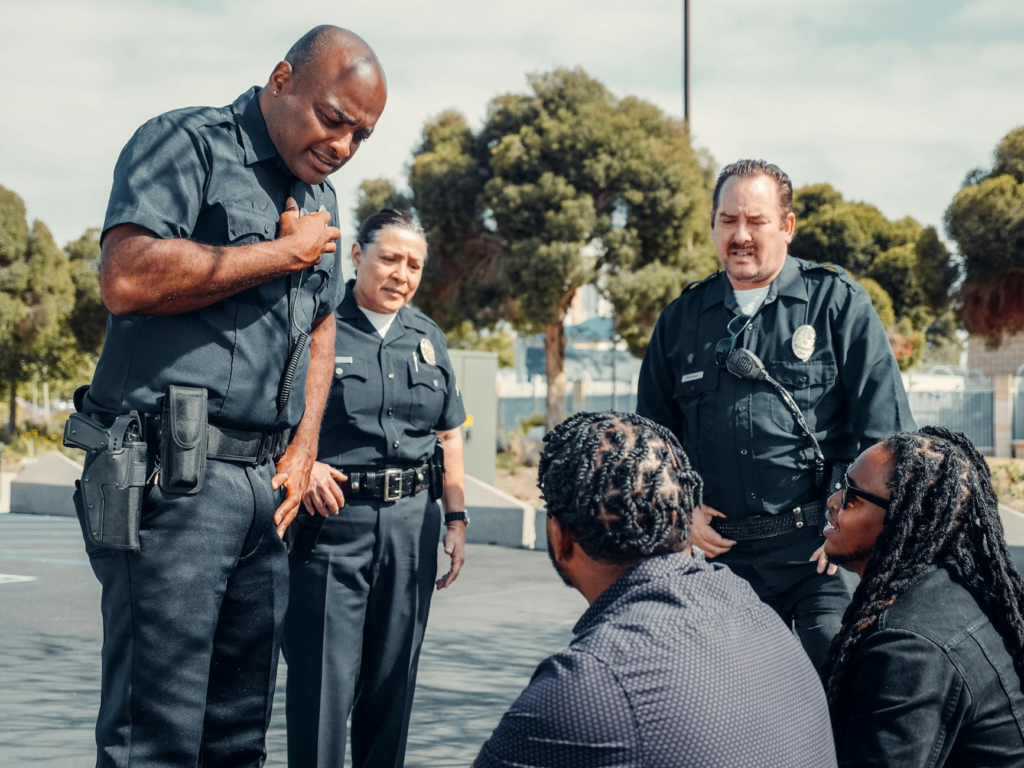
The future of Crime Stoppers is undoubtedly tied to the engagement and empowerment of communities. By embracing technology and fostering meaningful partnerships, we can enhance the effectiveness of crime-solving efforts and ensure a safer environment for all.
The community role in crime stoppers is vital for fostering a safe and secure environment. Through active community engagement, residents can contribute to crime solving in meaningful ways, leading to numerous success stories PA Crime Stoppers can showcase. These stories not only highlight the effectiveness of collaboration between citizens and law enforcement but also inspire others to participate in similar initiatives. By coming together, communities can create a more proactive approach to crime prevention.
<pTo enhance the impact of crime stoppers programs, individuals are encouraged to stay informed and get involved. Whether through attending local meetings, volunteering, or simply spreading awareness about available resources, each action counts. By embracing the community role in crime stoppers, everyone has the potential to make a difference and contribute to a safer future. Start by reaching out to your local crime stoppers organization today and discover how you can play a part in this crucial mission.“`html
What is the role of the community in Crime Stoppers?
The community plays a vital role in Crime Stoppers by providing anonymous tips that can lead to solving crimes. Community members are often the first to notice suspicious activities and can share valuable information with law enforcement. This collaboration fosters trust and empowers citizens to take an active part in enhancing their safety. The overall success of Crime Stoppers heavily relies on community engagement, highlighting the significant community role in Crime Stoppers initiatives.
How does community engagement impact crime solving?
Community engagement plays a crucial role in crime solving by creating a network of vigilance and cooperation. When community members feel connected and invested, they are more likely to report suspicious activities and share information. This proactive approach not only leads to quicker investigations but also builds trust between law enforcement and the public. Effective community engagement can significantly increase the rate of solved cases, proving its essential impact on overall crime solving.
Can you provide success stories from PA Crime Stoppers?
Yes, there are numerous success stories from PA Crime Stoppers that illustrate the program’s effectiveness. For instance, tips received from local residents led to the arrest of a suspect involved in a series of burglaries. Another notable case involved a tip that resulted in the recovery of stolen property. These success stories highlight how community members’ contributions can directly affect crime prevention and resolution, showcasing the importance of the community role in Crime Stoppers.
What strategies improve community participation in Crime Stoppers?
To improve community participation in Crime Stoppers, strategies such as awareness campaigns, community meetings, and educational programs can be effective. Engaging local leaders and influencers can also help spread the message. Additionally, showcasing success stories and recognizing tipsters encourages others to come forward. Providing clear information on how the program works and ensuring confidentiality can further enhance community involvement, fostering a collaborative environment for crime prevention.
What challenges does Crime Stoppers face in community engagement?
Crime Stoppers faces several challenges in community engagement, including mistrust of law enforcement and concerns over personal safety when reporting crimes. Some community members may feel that their tips will not be acted upon or fear retaliation. Additionally, limited resources can hinder outreach efforts. Overcoming these barriers requires consistent communication, educational initiatives, and building strong relationships within the community to foster a culture of trust and active participation.
How does anonymity affect community involvement in crime reporting?
Anonymity is a key factor in encouraging community involvement in crime reporting. It allows individuals to share information without fear of exposure or retaliation, significantly increasing the likelihood of receiving tips. When people believe their identities will remain confidential, they are more willing to come forward with vital information. This assurance of anonymity strengthens the community role in Crime Stoppers, ultimately leading to more effective crime solving and safety in neighborhoods.
“`