
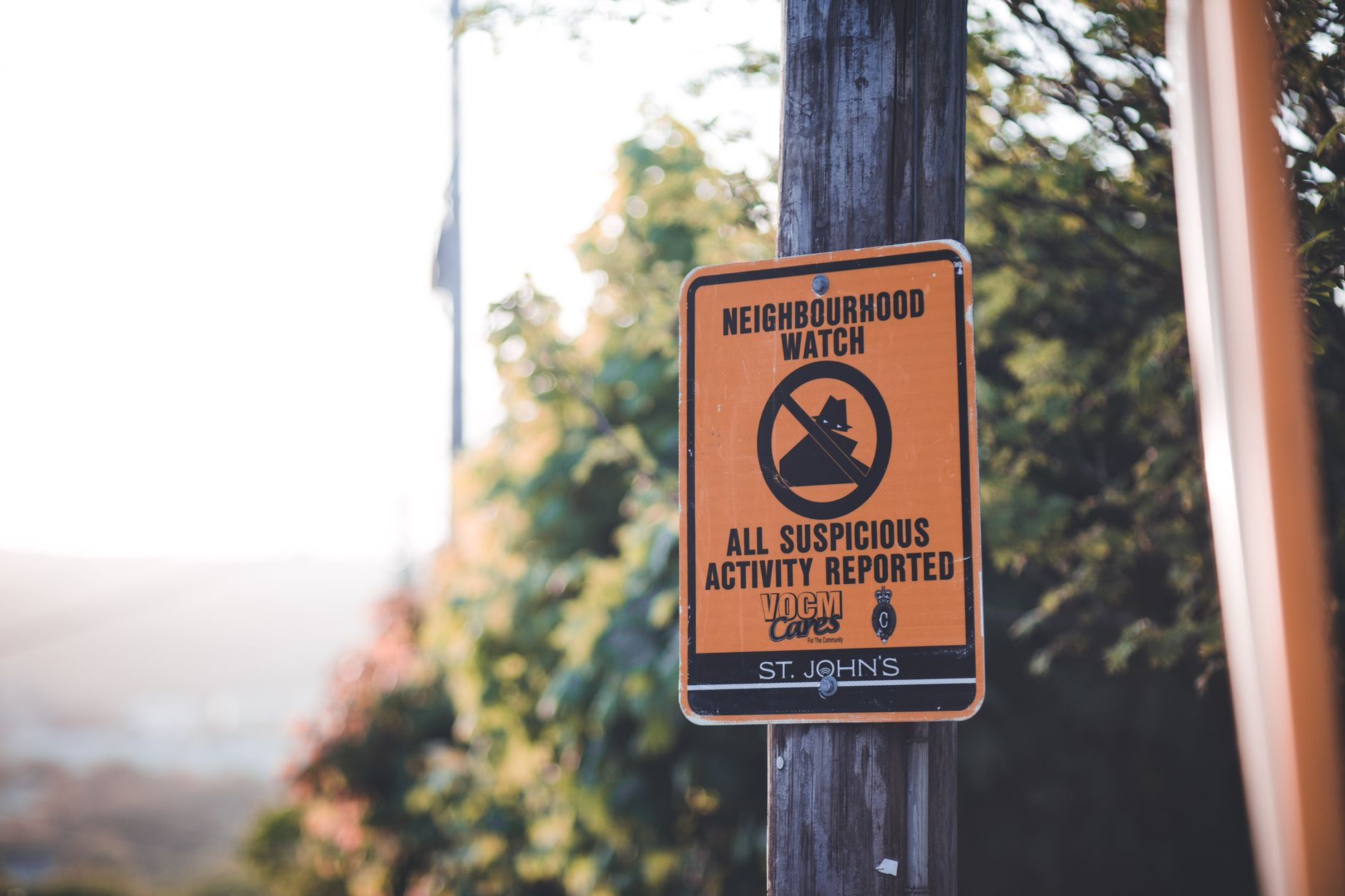
The debate surrounding neighborhood watch vs crime stoppers is crucial for communities striving to enhance neighborhood safety. Both programs aim to reduce crime and bolster public awareness, but they operate in distinct ways. This article will explore the key differences between Neighborhood Watch and Crime Stoppers, illustrating how each initiative contributes to effective community policing. Understanding these differences is essential for residents looking to engage in crime reporting and improve safety in their neighborhoods. As crime rates fluctuate and communities seek proactive solutions, the relevance of these programs is more pertinent than ever. We will discuss the roles they play in fostering community cohesion, how they adapt to modern challenges, and what the future holds for neighborhood safety initiatives. To gain a deeper understanding, we will examine their impact on public engagement and community trust, ensuring that residents are well-informed and empowered to take action. For more insights, visit National Crime Prevention Council and explore their resources.
Understanding Neighborhood Watch vs Crime Stoppers
What is a Neighborhood Watch?
A Neighborhood Watch is a community-driven initiative designed to enhance neighborhood safety through vigilant observation and communication among residents. The primary goal is to foster a sense of community while reducing crime rates. Volunteers typically organize meetings to discuss safety strategies, share information, and coordinate efforts to monitor suspicious activities. This initiative empowers residents to take an active role in crime reporting through direct communication with local law enforcement. The initiative highlights the importance of community policing, as it strengthens the relationship between the police and citizens, ultimately enhancing public awareness about local safety issues.
What are Crime Stoppers?
Crime Stoppers is a globally recognized program that encourages the public to report crimes anonymously. Its primary focus is to provide a safe channel for individuals to share information without fear of retribution. The program often offers financial rewards for tips that lead to arrests or successful prosecutions. Crime Stoppers plays a crucial role in crime reporting by facilitating a more extensive network of information sharing. This program complements neighborhood watch efforts by addressing the barriers that may prevent individuals from speaking up, thus contributing to overall neighborhood safety.
Both initiatives, Neighborhood Watch and Crime Stoppers, serve as vital resources for public safety. While a Neighborhood Watch relies on direct community engagement and cooperation, Crime Stoppers provides anonymity and financial incentives to encourage individuals to share valuable information. As communities face evolving safety challenges, understanding the differences between neighborhood watch vs crime stoppers is essential. By leveraging the strengths of both programs, neighborhoods can create a more comprehensive approach to community policing and crime prevention.

Key Differences Between Neighborhood Watch and Crime Stoppers
Structure and Organization: Neighborhood Watch vs Crime Stoppers
Understanding the structural differences between Neighborhood Watch and Crime Stoppers is crucial for communities aiming to enhance neighborhood safety. Neighborhood Watch programs are grassroots initiatives primarily organized by local residents who collaborate to monitor their neighborhoods and report suspicious activities. This decentralized approach fosters a sense of ownership and accountability among community members, empowering them to take proactive measures in crime prevention.
On the other hand, Crime Stoppers operates in a more formalized manner, typically in partnership with local law enforcement agencies. This program encourages the public to report crimes anonymously, often through a dedicated hotline or online platform. Crime Stoppers provides rewards for information that leads to arrests, enhancing its appeal and effectiveness. The structured framework allows for more systematic crime reporting and data collection, making it a vital component of community policing efforts.
Community Involvement and Engagement
Community engagement is at the heart of both Neighborhood Watch and Crime Stoppers, though the methods differ significantly. Neighborhood Watch relies heavily on local residents to foster a culture of vigilance and public awareness. Regular meetings, training sessions, and events help strengthen relationships among neighbors, making it easier to identify and respond to potential threats collaboratively.
In contrast, Crime Stoppers engages the community by promoting anonymity and offering incentives for tips. This model appeals to individuals who may be hesitant to come forward due to fear of retaliation. Both programs underscore the importance of community involvement in crime prevention, but they cater to different motivations and methods of engagement. As communities navigate the challenges of crime, understanding the distinctions between neighborhood watch vs crime stoppers can lead to more effective strategies for enhancing neighborhood safety.

The Role of Neighborhood Safety in Community Programs
Impact on Crime Rates: Neighborhood Watch vs Crime Stoppers
Neighborhood safety is a critical component of community well-being, and both Neighborhood Watch and Crime Stoppers play significant roles in enhancing this safety. Research shows that areas with active Neighborhood Watch programs experience a reduction in crime rates, often cited as a decrease of up to 16% in some communities. For instance, a case study in Los Angeles revealed that the implementation of a Neighborhood Watch program led to a notable decline in property crime over a five-year period. On the other hand, Crime Stoppers has proven effective in encouraging crime reporting, leading to a reported increase in tips received, which subsequently assists law enforcement in solving cases more efficiently.
While crime reporting through Crime Stoppers can lead to swift resolutions of specific incidents, the preventive nature of Neighborhood Watch initiatives fosters a sense of vigilance and community solidarity. The two programs complement each other, creating a multifaceted approach to enhancing neighborhood safety. The integration of these strategies not only involves residents in crime prevention but also strengthens the relationship between the community and law enforcement, leading to a more proactive stance against crime.

Building Trust in the Community
Trust between residents and law enforcement is essential for effective crime prevention. Neighborhood Watch programs are particularly successful in this regard, as they encourage active communication and collaboration. According to a survey by the Bureau of Justice Statistics, communities with established Neighborhood Watch programs reported higher levels of trust in local police forces. This trust is crucial; communities that engage in community policing initiatives often see enhanced public awareness of crime trends and a heightened commitment to collective safety.
Crime Stoppers also fosters trust, but it operates differently by allowing anonymity in crime reporting. This anonymity can empower residents to report crimes without fear of retaliation, thereby increasing the volume of information available to law enforcement. Successful partnerships between community members and police departments, facilitated by both Neighborhood Watch and Crime Stoppers, have been shown to improve overall neighborhood safety and community resilience.
As we look to the future, the integration of these two programs, Neighborhood Watch and Crime Stoppers, will be essential in addressing evolving safety concerns in urban areas. By leveraging the strengths of both initiatives, communities can create safer environments while building lasting trust with law enforcement. For a comprehensive understanding of these programs and their impacts, further exploration of collaborative strategies will be vital in enhancing public safety.
Create a Safe Neighborhood in Pennsylvania: Essential TipsWhy Neighborhood Watch and Crime Stoppers Matter Now
Current Trends in Crime and Safety
As urban environments evolve, communities face various challenges, including rising crime rates and increased public unrest. In recent years, many regions have reported significant upticks in violent crimes, property theft, and other offenses. According to the FBI’s Uniform Crime Reporting Program, property crime alone rose by approximately 5.6% in 2020, prompting neighborhoods to seek proactive measures for safety. This backdrop makes understanding the role of community programs like neighborhood watch and Crime Stoppers essential for fostering neighborhood safety.
Neighborhood watch and Crime Stoppers provide crucial frameworks for community policing, enabling residents to take an active role in safeguarding their environment. While neighborhood watch programs focus on local vigilance and awareness among residents, Crime Stoppers emphasizes anonymous crime reporting to law enforcement. The synergy between these initiatives can significantly enhance public safety in a time when communities are increasingly concerned about crime.
The Importance of Public Awareness in Neighborhood Watch vs Crime Stoppers
Public awareness serves as a catalyst for community involvement in crime prevention efforts. Residents empowered with knowledge about local crime trends are more likely to report suspicious activities and participate in neighborhood watch programs. A 2021 survey by the Bureau of Justice Statistics found that communities with active crime reporting and engagement initiatives saw 20% fewer incidents of crime compared to those without such programs.
In the context of today’s societal challenges, fostering public awareness around the differences in neighborhood watch vs Crime Stoppers can mobilize community members to act. By understanding their roles, residents can better utilize these tools to enhance neighborhood safety and contribute to a culture of vigilance and reporting.

As we look ahead, the implications of embracing these community-driven models are clear. Enhanced engagement not only mitigates crime but also strengthens social bonds, creating resilient neighborhoods that prioritize safety and cooperation. The need for effective communication and collaboration among residents is more pressing than ever, underscoring the importance of these programs in our communities.
Future of Neighborhood Watch and Crime Stoppers
Innovations in Community Policing: Neighborhood Watch vs Crime Stoppers
As crime rates fluctuate and communities evolve, the future of neighborhood watch and Crime Stoppers programs must adapt to meet the changing landscape of public safety. The integration of technology is a pivotal factor in this evolution. Mobile applications and social media platforms are increasingly used to facilitate crime reporting and enhance communication between community members and law enforcement. For instance, applications that allow residents to report suspicious activities in real-time can create a more interconnected and vigilant community.
Moreover, advancements in data analytics can help identify crime patterns and hotspots, allowing both neighborhood watch groups and Crime Stoppers to strategize their efforts more effectively. By utilizing these technologies, communities can bolster their neighborhood safety, ensuring that responses to crimes are swift and informed. The potential for AI-driven tools to predict criminal behavior or alert authorities based on gathered data could revolutionize the approach to community policing, making it more proactive than reactive.
Strengthening Community Ties
In addition to technological advancements, the future of neighborhood watch and Crime Stoppers hinges on fostering stronger community ties. Engaging local residents through educational programs and public awareness campaigns can elevate the effectiveness of these initiatives. For instance, workshops that teach residents about crime prevention strategies not only empower individuals but also cultivate a sense of responsibility within the community.
Collaboration between neighborhood watch programs and Crime Stoppers can further enhance the overall impact on crime prevention. By sharing resources and insights, these initiatives can create a cohesive strategy that addresses the unique challenges faced by their respective communities. As public awareness grows, so does the potential for increased participation in these programs, leading to a safer environment for all.
As we look ahead, the integration of innovative technology and strengthened community ties will be essential for the evolution of neighborhood watch and Crime Stoppers. Embracing change while remaining committed to the principles of community policing will ensure these programs remain relevant and effective in the fight against crime.

Understanding the distinctions between neighborhood watch vs crime stoppers is crucial for fostering neighborhood safety and enhancing community policing efforts. While neighborhood watch programs focus on local vigilance and community involvement, Crime Stoppers offers a more anonymous channel for crime reporting, aiming to boost public awareness of local crime issues. Each initiative plays a pivotal role in creating safer communities, but they operate under different frameworks and philosophies.
As you consider how best to contribute to your community’s safety, think about which approach aligns more closely with your values and goals. Participating in a neighborhood watch can enhance personal connections with your neighbors, while engaging with Crime Stoppers allows for discreet crime reporting that can help authorities address issues quickly. Evaluate the needs of your area and take the necessary steps to get involved, whether that means starting a neighborhood watch program or supporting local Crime Stoppers initiatives. Your participation can make a significant difference in reducing crime and promoting a safer environment.
“`html
What is the difference between neighborhood watch and crime stoppers?
The primary difference between neighborhood watch and crime stoppers lies in their approach to crime prevention. Neighborhood watch focuses on community members observing and reporting suspicious activities to local law enforcement, fostering a proactive environment for neighborhood safety. In contrast, crime stoppers is a program that encourages anonymous tips from the public about criminal activities, often offering rewards for information leading to arrests. Essentially, neighborhood watch promotes community engagement, while crime stoppers emphasizes anonymity and direct action against crime.
How do neighborhood watch programs work?
Neighborhood watch programs operate by bringing community members together to monitor their surroundings actively. Participants are trained to recognize and report suspicious activities to law enforcement. Regular meetings are held to discuss concerns and strategies for enhancing neighborhood safety. By fostering communication and collaboration among residents, these programs create a sense of shared responsibility for crime prevention, making neighborhoods less attractive targets for criminals.
What are the benefits of crime stoppers?
Crime stoppers offer several benefits, including the ability for citizens to report crimes anonymously, which can lead to higher rates of crime reporting. By providing a secure way to share information without fear of retaliation, these programs encourage more people to come forward with tips. Additionally, crime stoppers often provide financial rewards for information that leads to successful arrests, incentivizing community members to participate actively in crime prevention efforts and enhancing public awareness of local issues.
Can you join a neighborhood watch program?
Yes, most neighborhood watch programs are open to all residents within a community. To join, you typically need to contact your local neighborhood watch coordinator or law enforcement agency. They can provide information on upcoming meetings and training sessions. Participation is usually free and encourages residents to engage with one another while learning effective crime prevention strategies, fostering a safer community environment.
How does community policing relate to these programs?
Community policing is closely tied to both neighborhood watch and crime stoppers as it emphasizes collaboration between police and the community to enhance safety. Community policing encourages officers to form partnerships with residents, fostering trust and open communication. This approach aligns with neighborhood watch’s goal of community engagement and complements crime stoppers’ efforts to promote anonymous crime reporting. Together, they create a comprehensive strategy for crime prevention and public safety.
What role does public awareness play in crime prevention?
Public awareness is crucial in crime prevention as it empowers citizens with knowledge about local crime trends, safety tips, and available resources like neighborhood watch and crime stoppers. Increased awareness leads to heightened vigilance, prompting residents to report suspicious activities and engage in preventive measures. By fostering a well-informed community, public awareness can significantly deter crime, making neighborhoods safer and more resilient.
“`