

To report drug activity anonymously is a vital step in maintaining community safety and combating the pervasive issue of drug-related crimes. Many individuals feel apprehensive about coming forward due to fears of retaliation or legal repercussions. This article will guide you through the importance of anonymous drug crime reporting, detailing how to effectively communicate your concerns while protecting your identity. We will explore what specific information is essential when making anonymous tips, and discuss how law enforcement agencies play a crucial role in handling these reports discreetly. Additionally, we will highlight community safety initiatives and crime prevention strategies that can be enhanced through public engagement and reporting. Finally, we will look at the future of drug crime reporting and the potential for increased community involvement in promoting a safer environment for all. By understanding the process and importance of reporting drug activity anonymously, you can become an active participant in fostering a safer community.
The Importance of Reporting Drug Activity Anonymously
Why Report Drug Activity Anonymously?
The act of reporting drug activity is crucial in the ongoing fight against drug-related crimes that plague communities worldwide. According to the DEA’s 2021 National Drug Threat Assessment, over 100,000 drug overdose deaths were reported in the United States alone in the past year, a staggering increase attributed primarily to the proliferation of synthetic opioids. By choosing to report drug activity anonymously, individuals can play a significant role in crime prevention and help protect their neighborhoods without fear of retribution. These anonymous tips often provide law enforcement with the necessary information to investigate and dismantle drug operations effectively.
Current Context of Drug Crime
As drug crime continues to rise, the importance of community engagement becomes increasingly apparent. Recent statistics highlight that more than 70% of law enforcement agencies rely on anonymous tips to crack down on drug-related offenses. This emphasizes the need for the public to understand how to report drug activity anonymously. With the rise of drug abuse and trafficking, communities are at a higher risk, and proactive measures are essential for ensuring community safety. Local efforts, supported by organizations and law enforcement, have proven that collaboration can lead to significant decreases in drug crime rates.
As we move forward, it is imperative for citizens to recognize the power of their voices and the impact of their actions. By choosing to report drug activity anonymously, individuals not only contribute to crime prevention efforts but also foster a safer environment for everyone. As drug-related incidents continue to affect lives and communities, the responsibility falls on all of us to take action, ensuring that we stand united against this growing threat.

How to Report Drug Activity Anonymously
Methods of Reporting Drug Activity Anonymously
Reporting drug activity anonymously is a crucial step in promoting community safety and combating drug-related crime. There are several methods available for individuals to report drug activity without revealing their identity. The most common methods include hotlines, online reporting forms, and community-based programs.
- Hotlines: Many law enforcement agencies operate hotlines specifically for drug crime reporting. These hotlines often guarantee anonymity and can be accessed 24/7. While these are effective, wait times can vary, and callers may be required to provide detailed information.
- Online Forms: Various police departments and crime prevention organizations offer online forms for submitting anonymous tips. These platforms allow individuals to report drug activity at their convenience. However, the anonymity of online submissions can depend on the security of the website.
- Community Programs: Local organizations or neighborhood watch programs often implement initiatives for anonymous reporting. These programs not only facilitate drug crime reporting but also foster community engagement. They may, however, lack the immediate response capability of law enforcement hotlines.

Choosing the Right Platform to Report Drug Activity Anonymously
When deciding how to report drug activity anonymously, it’s essential to choose a reputable platform. Always consider the credibility of the organization, user reviews, and the ease of the reporting process. Platforms that are backed by local law enforcement tend to be more reliable and responsive in addressing anonymous tips. Reinforcing safety measures for whistleblowers is critical, as individuals may fear retaliation for their reports. Utilizing these anonymous methods not only aids in crime prevention but also cultivates a safer community environment.
In a time when drug-related crimes are on the rise, effective reporting can help law enforcement address these issues promptly and efficiently. Engaging in drug crime reporting through the correct channels empowers individuals to contribute to community safety without compromising their privacy.
What Information to Provide When Reporting
When you decide to report drug activity anonymously, the effectiveness of your report hinges on the details you provide. Clear and concise information not only aids law enforcement but also enhances community safety by enabling more targeted interventions. Here’s how to structure your anonymous tip for maximum impact.
Essential Details to Include
To ensure your report is actionable, consider including the following information:
- Type of Drug Activity: Specify what you witnessed, was it drug dealing, use, or manufacturing?
- Location: Provide exact addresses or descriptions of the locations where the activity occurred.
- Time and Date: Note when the activity took place or if it is ongoing.
- Descriptions of Individuals: Include details such as clothing, age, gender, and any distinctive features.
- Vehicle Information: If applicable, report any vehicles involved, including license plate numbers, make, and model.
- Additional Observations: Mention any suspicious behavior or unusual patterns, such as frequent visitors at odd hours.
Remember, the more specific your details, the easier it will be for authorities to act on your report. Think about these questions as you prepare your anonymous tip:
- What exactly did I see?
- Who was involved?
- When did it happen?
Tips for Effective Reporting When You Report Drug Activity Anonymously
To enhance the clarity of your report, keep the following tips in mind:
- Be Concise: Stick to the facts and avoid unnecessary details that could dilute your message.
- Stay Calm: Report your observations without exaggeration or emotional bias.
- Use Trusted Channels: Submit your anonymous tips through official crime reporting hotlines or online platforms to ensure your information reaches the right people.
Effective drug crime reporting is vital for crime prevention and community safety. By providing detailed and organized information, you empower authorities to take the necessary actions to combat drug-related issues in your area. Your efforts can significantly contribute to a safer environment for everyone.
The Role of Law Enforcement in Anonymous Reporting
How Police Handle Anonymous Tips and Encourage Community Safety
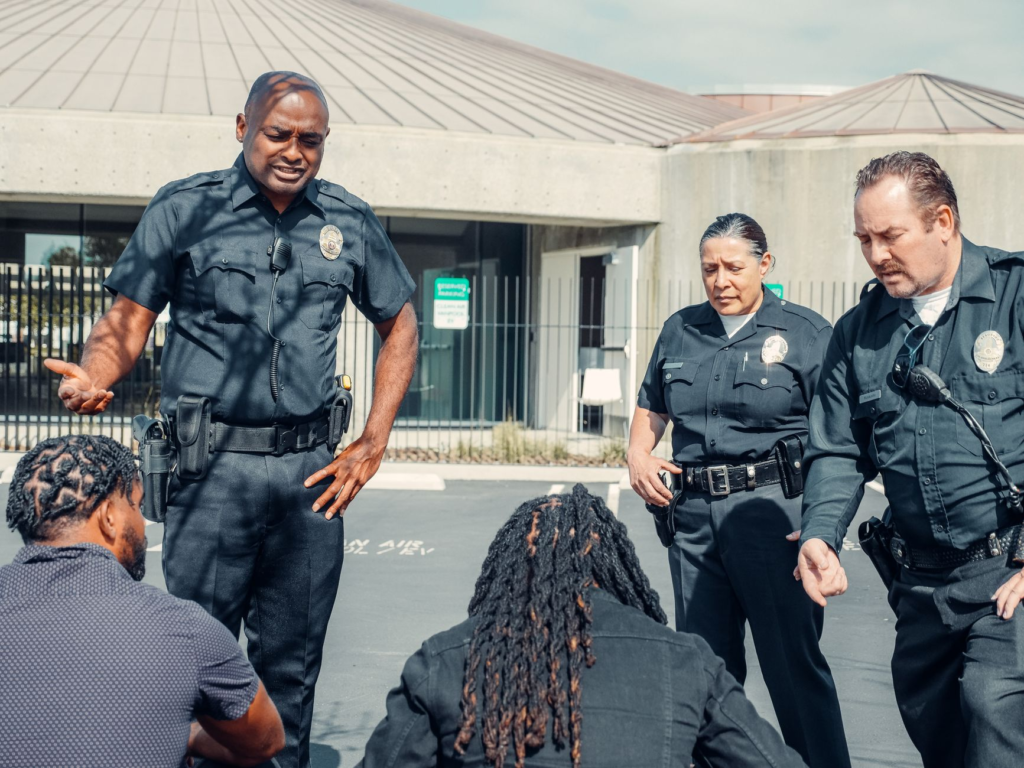
When individuals choose to report drug activity anonymously, they often rely on law enforcement agencies to act on their information while ensuring their confidentiality. Police departments have established protocols for handling anonymous tips, which typically involve dedicated hotlines or online reporting systems designed to protect the identity of the informant. For instance, many jurisdictions utilize programs like Crime Stoppers, where citizens can submit tips without revealing their identity. According to the Crime Stoppers USA, over 1 million tips are received annually, leading to thousands of arrests and drug seizures. This illustrates the profound impact anonymous tips can have on crime prevention.
Maintaining anonymity is crucial not only for the safety of the informant but also for encouraging ongoing community participation in drug crime reporting. Law enforcement agencies are increasingly aware that building trust within the community is essential for effective crime prevention. Many police departments conduct outreach programs to educate citizens about the importance of reporting drug-related activities and the mechanisms available to do so anonymously. These initiatives help demystify the process, reassuring the public that their identities will be protected and emphasizing the collective responsibility for community safety.
Building Trust in the Community to Report Drug Activity Anonymously
In addition to providing secure channels for anonymous tips, law enforcement agencies are implementing various initiatives aimed at fostering a sense of trust within communities. Engaging with residents through town hall meetings, community policing efforts, and educational workshops can significantly enhance relationships between police and the public. Such initiatives not only empower individuals to report drug activity anonymously but also create a culture of cooperation and vigilance against drug crimes.
Ultimately, the collaboration between law enforcement and community members is vital for effective crime prevention. When citizens feel confident in their ability to report drug activity anonymously, they contribute to safer neighborhoods and enhance overall community resilience against drug-related issues.

The Bigger Picture of Community Safety
Community safety is a pressing concern that affects individuals and families across the nation. With the rise in drug-related activities, the need for comprehensive crime prevention strategies has never been more urgent. Reporting drug activity anonymously is a crucial aspect of these strategies, enabling citizens to contribute to safer neighborhoods without the fear of retaliation. According to the National Institute on Drug Abuse, drug misuse costs the U.S. economy over $740 billion annually in crime-related expenses, underscoring the need for effective crime prevention measures. By leveraging anonymous tips, communities can disrupt the cycle of drug crime and foster a safer environment for everyone.
Engaging with Local Resources to Report Drug Activity Anonymously
Communities are often equipped with various local resources designed to support crime prevention and enhance community safety. Engaging with these resources not only empowers residents but also strengthens the overall fabric of the community. Many local police departments offer hotlines and online platforms where individuals can report drug activity anonymously. These channels encourage residents to share information about suspicious activities without revealing their identity, promoting a proactive approach to drug crime reporting.
- Neighborhood Watch Programs: These programs foster collaboration between law enforcement and community members, encouraging vigilance and communication about potential drug-related activities.
- Community Outreach Initiatives: Local organizations often run workshops and seminars to educate residents on recognizing drug activity and the importance of reporting it.
- Anonymous Tip Lines: Many jurisdictions provide dedicated lines for anonymous tips, allowing citizens to report concerns without fear of exposure.
By utilizing these local resources and actively participating in crime prevention efforts, community members can play a vital role in enhancing safety. The combination of vigilance and the ability to report drug activity anonymously creates a powerful tool in the fight against drug-related crime. Together, communities can work towards a future where safety is a shared responsibility, reinforcing the importance of collaboration and awareness.

Future of Drug Crime Reporting and Community Engagement
Innovations in Reporting Technology
The future of drug crime reporting is being reshaped by technological advancements that facilitate safer and more effective ways to report drug activity anonymously. Emerging tools, such as mobile applications and secure online platforms, allow individuals to submit anonymous tips with ease. According to the National Institutes of Health, these digital platforms enhance user engagement and increase the likelihood of receiving actionable intelligence for law enforcement. Additionally, geolocation features can assist authorities in pinpointing hotspots of drug activity, enabling more targeted intervention strategies.
As artificial intelligence (AI) continues to evolve, it will play a crucial role in processing anonymous tips. AI algorithms can analyze patterns in data submissions to help law enforcement agencies prioritize responses and allocate resources more effectively. This technological integration not only streamlines the drug crime reporting process but also aids in crime prevention by identifying trends and potential threats before they escalate.
Encouraging Community Participation in Reporting Drug Activity Anonymously
Community engagement is vital for enhancing community safety and improving drug crime reporting. Initiatives that foster open communication between law enforcement and residents can encourage individuals to report drug activity anonymously without fear of retaliation. Programs such as neighborhood watch groups and community forums allow residents to discuss concerns and share information about local drug activity, creating a collaborative environment for crime prevention.
Moreover, educational campaigns that raise awareness about the importance of reporting drug-related incidents can further empower communities. By illustrating how anonymous tips can lead to successful interventions and improved neighborhood safety, residents may feel more inclined to participate. Local governments and law enforcement agencies can also use social media platforms to disseminate information and encourage the public to engage in drug crime reporting initiatives.
As technology and community outreach efforts evolve, they will undoubtedly enhance the ability to effectively address drug-related issues. By fostering an environment where residents feel safe to report drug activity anonymously, communities can take significant strides toward ensuring a safer future for everyone.
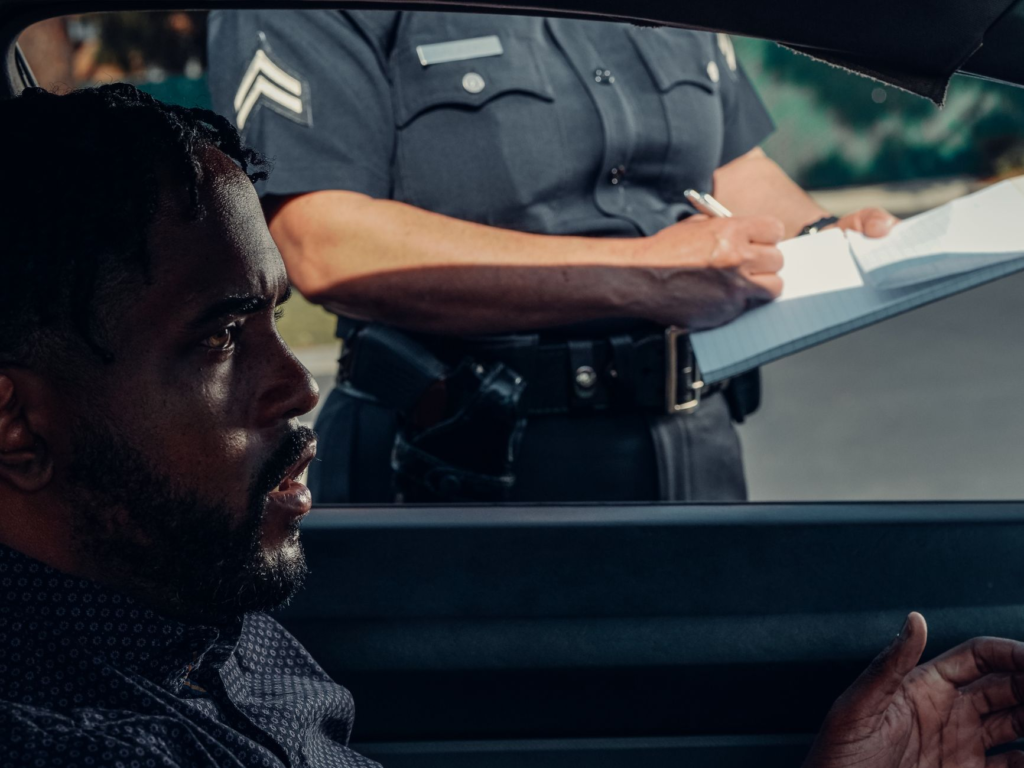
Empowering community members to report drug activity anonymously is a crucial step in enhancing community safety. By participating in drug crime reporting, individuals can contribute to crime prevention efforts without the fear of retaliation. Anonymous tips not only protect the identity of the informant but also play a vital role in dismantling drug-related activities that threaten public well-being.
If you suspect drug activity in your area, take action by utilizing available resources to report drug activity anonymously. Local law enforcement agencies often provide dedicated hotlines or online platforms for this purpose. Your vigilance can help create a safer environment for everyone, reinforcing the idea that a united community can effectively combat crime. Remember, your voice matters, and reporting drug activity is a powerful step towards a healthier, safer neighborhood.
“`html
How can I report drug activity anonymously?
You can report drug activity anonymously by contacting local law enforcement through non-emergency hotlines or tip lines specifically designed for this purpose. Many police departments offer online forms where you can submit your report without revealing your identity. Additionally, organizations like Crime Stoppers allow you to report drug activity anonymously and may even offer a reward for information leading to an arrest. Always ensure that the method you choose guarantees anonymity.
What information should I include when reporting drug crime?
When reporting drug crime, include as much detail as possible. Provide information such as the location, time, and nature of the activity observed. Include descriptions of individuals involved, vehicle details, and any other relevant observations. The more precise and comprehensive your report, the more effectively law enforcement can respond. Remember, you can report drug activity anonymously, so you do not need to provide your personal details.
Are anonymous tips taken seriously by law enforcement?
Yes, anonymous tips are taken seriously by law enforcement agencies. They often serve as valuable leads in ongoing investigations. While tips can vary in credibility, police are trained to assess the information and follow up as needed. Anonymous tips can help prevent drug crime and enhance community safety, so do not hesitate to provide any information you may have.
What are the risks of reporting drug activity?
The primary risk of reporting drug activity is potential retaliation from those involved in the drug trade. However, using anonymous reporting channels significantly reduces this risk. Law enforcement agencies are committed to protecting the identities of those who report drug crime, and many have measures in place to ensure your safety. It’s important to weigh these risks against the potential benefits of helping to eliminate drug activity in your community.
How can I ensure my safety when reporting crime?
To ensure your safety when reporting crime, always use anonymous reporting methods, such as tip lines or online forms, which do not require personal information. Avoid discussing your report with others, as this could lead to your identity being revealed. If you feel threatened or unsafe, consider seeking support from community organizations dedicated to crime prevention and safety. They can provide guidance and resources to keep you safe while you take action.
What community resources are available for crime prevention?
Many community resources are available for crime prevention, including local neighborhood watch programs, community policing initiatives, and organizations focused on drug abuse prevention. You can also find support from local nonprofits that offer educational resources and workshops on drug awareness and safety. Engaging with these resources can enhance community safety and empower residents to take a stand against drug crime.
“`