
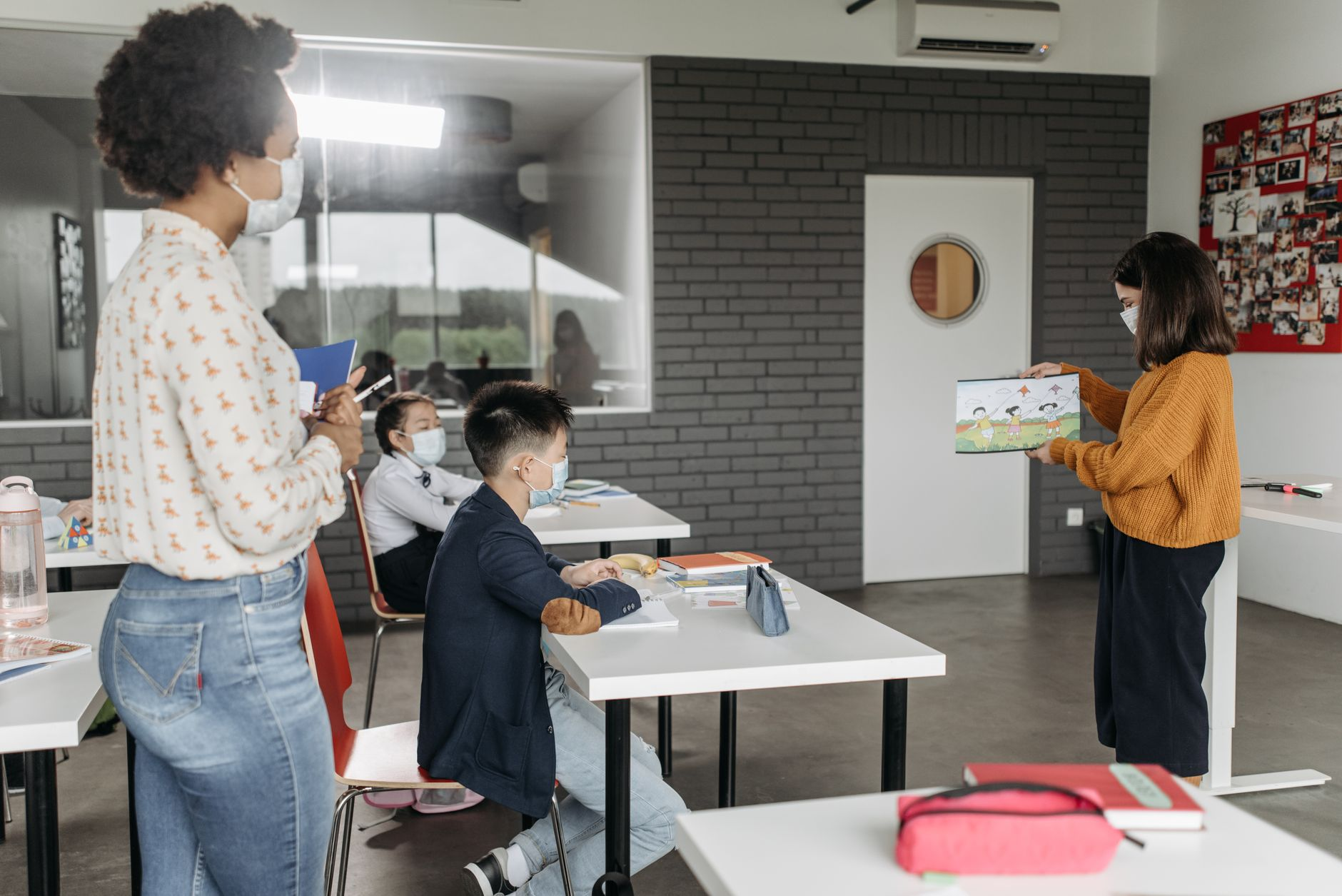
The school safety guide is more crucial than ever as parents and students navigate an increasingly complex educational landscape. With rising concerns about student safety, bullying prevention, and school security, understanding the fundamentals of a safe learning environment is essential. This article will delve into why a comprehensive school safety guide is necessary today, highlighting the importance of proactive measures in safeguarding our youth. We will explore the critical aspects of student safety in schools, effective strategies for bullying prevention, and ways to enhance school security measures. Additionally, we will discuss how families can create a school safety plan together, empowering both parents and children to take an active role in their protection. Looking ahead, we will consider the future of school safety and the evolving strategies that can help foster a secure and supportive educational atmosphere. For further reading on this vital topic, refer to resources like the U.S. Department of Education’s school safety guidelines and StopBullying.gov for effective bullying prevention techniques.
Why a School Safety Guide is Essential Now
The Current Landscape of School Safety
In recent years, the conversation surrounding school safety has intensified, driven by a series of alarming incidents that have affected educational institutions across the United States. According to the National Center for Education Statistics, approximately 20% of students aged 12-18 reported being bullied at school, highlighting ongoing concerns about bullying prevention as a critical aspect of student safety. Furthermore, the U.S. Department of Education reported a concerning rise in incidents related to school security, including violence and mental health crises, which has prompted calls for more robust measures to protect youth in educational settings.
Recent events, including high-profile school shootings and increased reports of harassment, have underscored the need for parents and students to take proactive steps in ensuring safety. A school safety guide becomes essential in this context, serving as a resource to navigate the complexities of today’s threats. Parents are encouraged to engage with their children in discussions about safety protocols while fostering an environment where students feel empowered to report suspicious behavior.
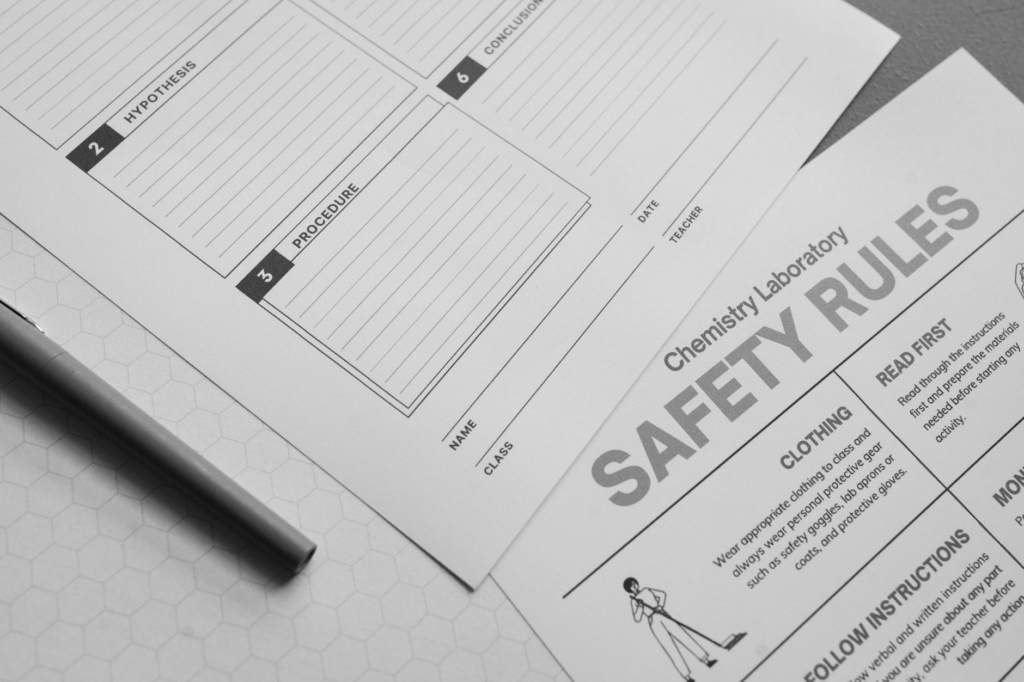
Implications for Parents and Students
For parents, understanding the current landscape of school safety is crucial for fostering a secure environment for their children. By utilizing a comprehensive school safety guide, families can gain insights into effective strategies for youth protection and resources available to address potential threats. This guide can aid in identifying warning signs of bullying and encourage open communication between parents and students.
Students also play a vital role in their own safety. Awareness of school security measures and participation in safety drills can significantly enhance their preparedness. By familiarizing themselves with the protocols outlined in a school safety guide, students can contribute to a safer school environment, recognizing that they are an integral part of the solution. With collaboration between parents, students, and school officials, we can create a culture of safety that prioritizes the well-being of all.
As we move forward, the importance of proactive engagement in school safety cannot be understated. The implementation of informed practices will not only enhance student safety but also foster a community of trust and vigilance that is essential in today’s educational landscape. crime prevention tips for Pennsylvania families
Understanding Student Safety in Schools
As discussions around school safety take center stage, understanding the key components of student safety has never been more crucial. The recent rise in concerns over bullying, mental health issues, and overall school security demands a comprehensive approach that not only addresses physical safety but also emotional well-being. Parents and educators alike are increasingly aware that a robust school safety guide must encompass various aspects of student safety, ensuring a secure environment for all learners.
Key Components of Student Safety
Student safety in schools includes several dimensions, notably physical safety, emotional health, and access to mental health resources. Physical safety measures often involve secure school buildings, surveillance systems, and emergency response protocols. According to the National Center for Biotechnology Information, effective school security practices can significantly reduce the likelihood of violence and create a more conducive learning environment.
Equally important is fostering emotional well-being. Programs focused on bullying prevention and conflict resolution can help create a culture of respect and inclusivity. Schools that implement social-emotional learning curricula often see improvements in student behavior and academic performance, as students learn to navigate their emotions and relationships more effectively.
Collaborative Efforts for Youth Protection in the Context of a School Safety Guide
Collaboration between parents, educators, and law enforcement is vital for effective youth protection strategies. A united approach ensures all stakeholders are informed and prepared to address potential safety concerns. Schools can benefit from establishing clear communication channels with parents, allowing them to stay informed about safety policies and protocols. Additionally, partnerships with local law enforcement can enhance security measures and provide resources for emergency preparedness training.
By emphasizing the importance of student safety and fostering collaboration among all parties involved, we can create a safer educational environment. The ongoing commitment to developing and updating a comprehensive school safety guide will not only enhance the physical security of students but also contribute to their emotional and mental well-being, ultimately shaping a more resilient generation.
Bullying Prevention: A Crucial Element of School Safety
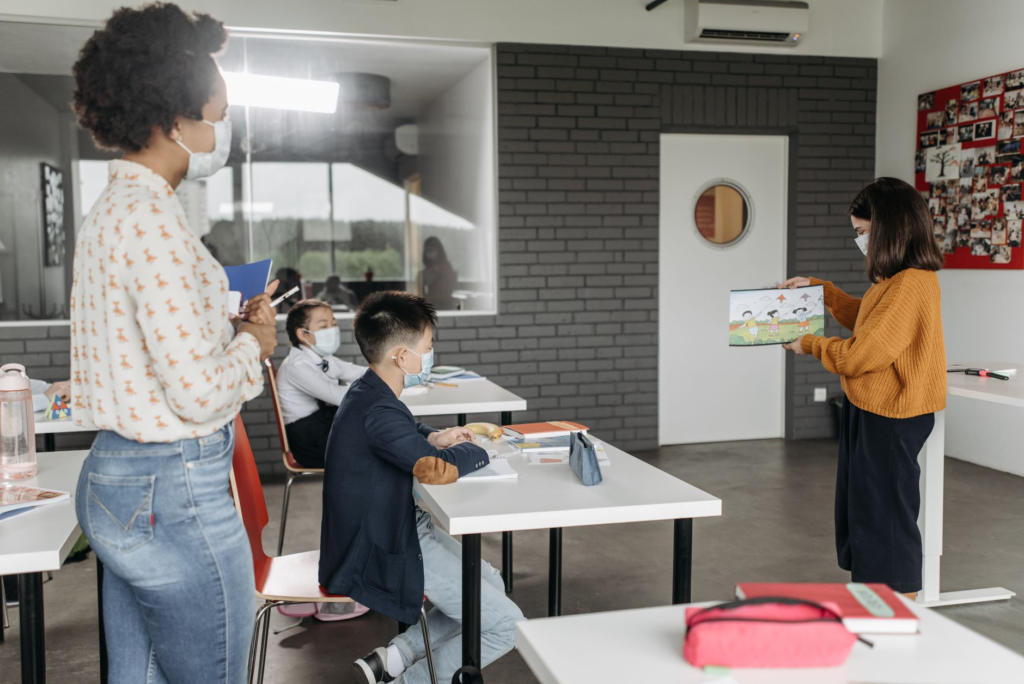
As schools increasingly focus on student safety measures, bullying prevention emerges as a pivotal component of any comprehensive school safety guide. Bullying, defined as aggressive behavior that involves an imbalance of power, can have devastating effects on students’ mental health and academic performance. Research shows that victims of bullying are at a higher risk for anxiety, depression, and lower academic achievement, which underscores the urgency of addressing this issue in our schools.
Identifying Bullying Behavior
Understanding the different forms of bullying, physical, verbal, and cyberbullying, is essential for effective intervention. Educators and parents should be trained to recognize the signs of bullying, such as changes in behavior, withdrawal from social interactions, and declines in academic performance. Regular discussions about bullying can help students feel more comfortable reporting incidents, thus fostering a culture of youth protection.
Implementing Effective Prevention Strategies in Your School Safety Guide
To combat bullying effectively, schools and parents must collaborate on robust prevention strategies. Programs like the Olweus Bullying Prevention Program have demonstrated measurable success in reducing bullying incidents through comprehensive, school-wide efforts. These programs typically include:
- Establishing clear rules against bullying and communicating them to students and families.
- Engaging students in discussions about the impacts of bullying and the importance of empathy.
- Training staff to recognize and respond to bullying behavior promptly.
- Creating safe spaces for students to report bullying incidents without fear of retaliation.
By integrating these strategies into a school safety guide, educators can create a supportive environment that prioritizes school security and fosters a sense of belonging among all students. As schools continue to evolve in their approach to safety, the focus on bullying prevention remains critical for ensuring a safe learning environment.
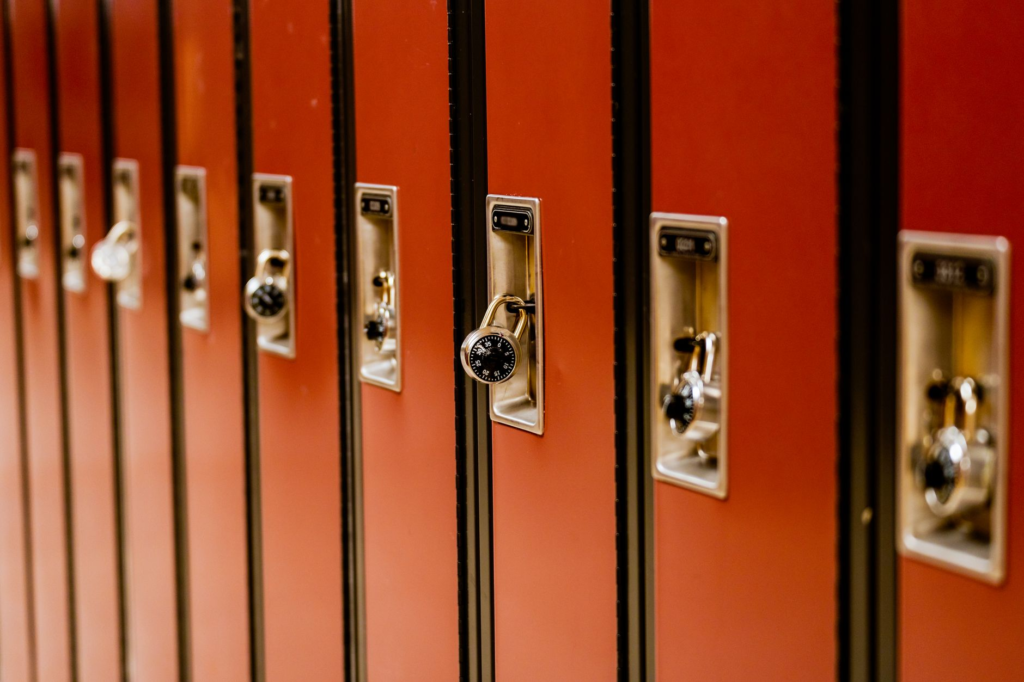
Enhancing School Security Measures
Current Trends in School Security: A School Safety Guide
As incidents of violence and bullying in schools gain increased media attention, the need for robust school security measures has never been more critical. The current landscape highlights a pressing demand for effective strategies that prioritize student safety and youth protection. According to the National Association of School Psychologists, schools across the nation are implementing various security enhancements to create safer environments. These include comprehensive emergency response plans that prepare students and staff for crises, ensuring that everyone knows their role in an emergency.
Technologies and Practices for Safer Schools
Schools are increasingly adopting cutting-edge technologies and best practices to bolster their security infrastructure. Surveillance systems equipped with high-definition cameras provide real-time monitoring of school premises, deterring potential threats and offering critical evidence when needed. Furthermore, advanced access control systems ensure that only authorized individuals can enter school grounds, thereby enhancing overall security.
- Adoption of emergency notification systems that allow for immediate communication during a crisis.
- Integration of social-emotional learning programs to support bullying prevention efforts and foster a positive school climate.
- Regular drills and training sessions to prepare staff and students for various scenarios, reinforcing their understanding of safety protocols.
Legislation and guidelines from authoritative organizations, such as the National School Safety Center, emphasize the importance of maintaining a proactive stance on school security. By combining technology with effective practices, schools can create an environment that not only protects students but also promotes their overall well-being and academic success. These advancements make the school safety guide an essential resource for parents and students alike as they navigate the complexities of school environments today.

Creating a School Safety Plan Together
As incidents of violence and bullying continue to rise in schools, the role of a comprehensive school safety plan has never been more critical. Crafting a safety plan that addresses potential risks can empower both parents and students, ensuring a collaborative approach to student safety. A well-structured plan not only improves school security but also fosters a sense of community and trust among all stakeholders.
Involvement of Parents and Students
Engaging parents and students in the development of a school safety plan is essential for its success. Parents should actively participate in discussions with school officials to identify specific risks unique to their school environment. Students, who often have firsthand experience with safety issues such as bullying, can provide invaluable insights that shape effective prevention strategies.
Communication is key. Schools should establish regular meetings or forums where parents, students, and staff can share concerns and suggestions. This open dialogue not only builds trust but also ensures that every voice is heard, contributing to a more robust safety plan. Utilizing resources from local law enforcement and educational organizations can further enhance the effectiveness of these plans. For example, the National Association of State Boards of Education provides guidelines on best practices for school safety.
Resources for Developing a School Safety Guide
When formulating a school safety plan, several resources can assist in creating a comprehensive approach to youth protection. Templates and checklists are available online, offering structured formats for addressing various safety concerns. For instance, the School Safety Plan Template from EdElements can serve as a valuable starting point.
Additionally, consider including the following elements in your safety plan checklist:
- Emergency contact information
- Procedures for reporting bullying and harassment
- Training sessions for staff and students on safety protocols
- Regular drills for emergency situations
- Collaboration with local law enforcement
By leveraging these resources and encouraging active participation, parents and students can create a thorough school safety guide that not only addresses current challenges but also anticipates future risks, paving the way for a safer educational environment.

Looking Ahead: The Future of School Safety
As we navigate the complexities of modern education, the future of school safety remains a critical concern for parents, students, and educators alike. Recent events have highlighted a pressing need for comprehensive strategies that prioritize not just physical security, but also mental health support and community involvement. This evolution in approach emphasizes the importance of a holistic school safety guide that integrates various elements of student safety.
Emerging Trends and Innovations in School Safety
Emerging trends indicate a shift towards integrating mental health resources within schools. According to the National Alliance on Mental Illness, approximately 1 in 5 youth experience a mental health condition, making support systems essential for effective bullying prevention and overall student well-being. Schools are now more frequently partnering with mental health organizations to offer counseling services, ensuring students have access to the support they need. Additionally, technology plays a pivotal role, with innovations such as anonymous reporting apps enabling students to communicate their concerns about bullying or threats without fear of retaliation.
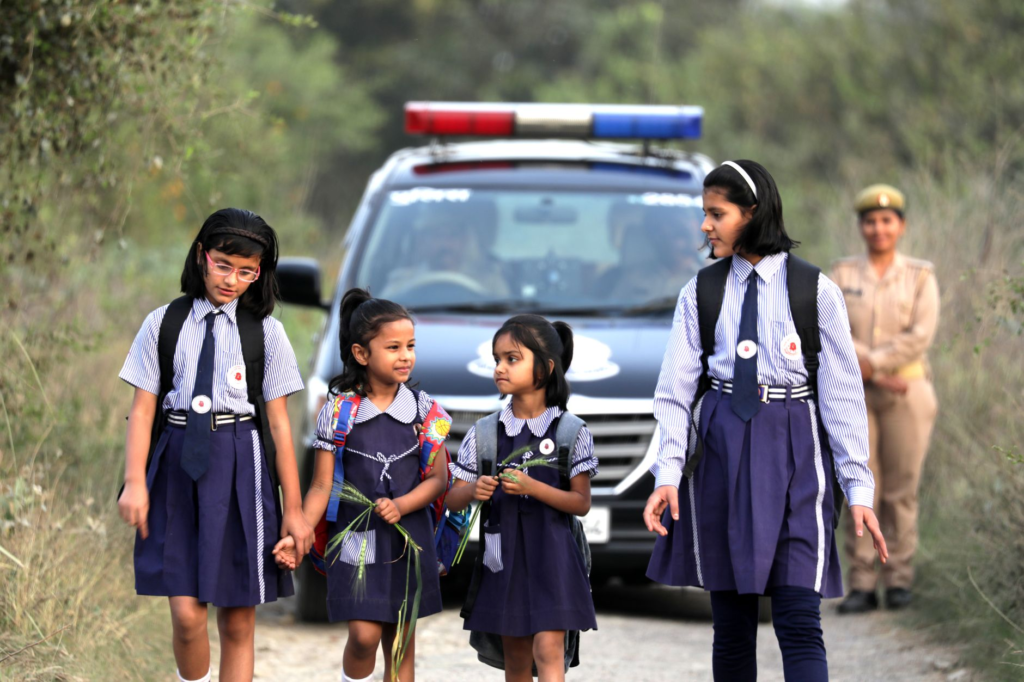
Advocating for Policy Changes in the School Safety Guide
Advocacy for policy changes is vital in promoting youth protection initiatives. Organizations such as the National PTA and the National School Safety Center work tirelessly to influence legislation that bolsters school security measures. Parents and community members can contribute by engaging in discussions with school boards and local legislators, pushing for policies that prioritize student safety and mental health resources. By being proactive and involved, communities can help shape a future where schools are not only safe havens for learning but also supportive environments that nurture the emotional and social development of every student.
As we look ahead, it is crucial for stakeholders to remain vigilant and committed to enhancing school safety. By leveraging innovative solutions and actively advocating for policy change, we can create a robust framework that ensures a secure and supportive educational experience for all students.
Prioritizing student safety is essential for fostering a secure and supportive learning environment. This school safety guide has outlined key strategies for parents and students to engage with school security and bullying prevention efforts effectively. By being informed and proactive, families can contribute to a culture of youth protection that not only safeguards individual students but also enhances the overall school community.
To take action today, consider discussing the contents of this school safety guide with your child and their educators. Encourage open communication about safety concerns and ensure everyone knows the appropriate steps to take in various situations. Together, we can build a safer, more resilient educational environment for all students.
“`html
What is included in a school safety guide?
A comprehensive school safety guide typically includes protocols for emergency situations, guidelines for student behavior, bullying prevention strategies, and information on school security measures. It also outlines the roles of staff, students, and parents in ensuring student safety. Moreover, it may provide resources for mental health support and youth protection, ensuring a holistic approach to maintaining a safe educational environment.
How can parents ensure student safety at school?
Parents can enhance student safety by staying informed about school policies and participating in safety meetings. They should communicate with teachers and administrators about any concerns regarding their child’s well-being. It’s also important for parents to teach their children about personal safety and encourage them to report any suspicious behavior or bullying incidents. Building strong relationships with school staff can foster a collaborative effort towards maintaining a secure environment.
What are effective bullying prevention strategies?
Effective bullying prevention strategies include creating a positive school culture that promotes respect and inclusion. Implementing programs that educate students about the impact of bullying, encouraging peer support, and providing resources for victims are essential. Schools should establish clear policies and consequences for bullying behavior, while also training staff to recognize and address bullying promptly. Engaging parents and the community in awareness campaigns can further strengthen these efforts.
How do schools implement security measures?
Schools implement security measures by conducting thorough risk assessments to identify vulnerabilities. They may install surveillance cameras, employ school resource officers, and control access points to enhance safety. Regular training for staff and students on emergency procedures is crucial, as is the development of relationships with local law enforcement. Additionally, schools often collaborate with community organizations to ensure that safety protocols are understood and practiced consistently.
What should a school safety plan include?
A school safety plan should include clear emergency response protocols for situations such as natural disasters, active threats, and medical emergencies. It should outline communication strategies for informing students, staff, and parents during crises. Additionally, the plan must address bullying prevention, mental health resources, and procedures for reporting safety concerns. Regular reviews and drills are necessary to ensure the plan remains effective and relevant.
How can I advocate for better school safety policies?
To advocate for better school safety policies, start by educating yourself on existing policies and identifying gaps. Engage with other parents, teachers, and community members to build a coalition focused on safety issues. Attend school board meetings to voice your concerns and propose solutions. Collaborating with local organizations and leveraging social media can amplify your message. Persistent advocacy can lead to meaningful changes in school safety policies and practices.
“`