

The impact of Crime Stoppers on local communities is profound and far-reaching, serving as a vital bridge between law enforcement and the public. This article delves into the various dimensions of Crime Stoppers programs, exploring their numerous benefits to communities, including enhanced crime reduction and increased community involvement. By fostering a culture of collaboration and trust, these initiatives empower citizens to take an active role in public safety. We will examine the direct impact of Crime Stoppers initiatives on crime rates, as well as the challenges and limitations these programs face. Additionally, we will provide guidance on how residents can get involved with Crime Stoppers in Pennsylvania, and consider the future of these programs in the state. Understanding the impact of Crime Stoppers is crucial for anyone interested in fostering safer neighborhoods and enhancing community resilience.
Understanding the Impact of Crime Stoppers on Communities
What is Crime Stoppers?
Crime Stoppers is a community-based program designed to encourage the public to provide anonymous tips to law enforcement about criminal activity. Established in 1976 in Albuquerque, New Mexico, it has grown to operate in various regions, including Pennsylvania. The program’s primary goal is to foster community involvement in crime prevention and resolution, ultimately contributing to a safer environment for all residents. By offering cash rewards for information leading to arrests and convictions, Crime Stoppers incentivizes citizens to become active participants in enhancing public safety.
The Impact of Crime Stoppers in Pennsylvania
In Pennsylvania, Crime Stoppers operates through local chapters, each working closely with law enforcement agencies to tailor solutions to community-specific issues. The program engages citizens by promoting awareness of crime in their neighborhoods and providing a platform for reporting suspicious behavior without fear of retribution. This collaborative approach not only aids in crime reduction but also enhances community trust in law enforcement. According to Crime Stoppers USA, many areas have witnessed a significant decrease in crime rates due to the proactive measures taken by citizens motivated by the program’s initiatives.
Moreover, the benefits of Crime Stoppers extend beyond mere statistics; they foster a sense of unity among residents as they take collective responsibility for their safety. As communities become more engaged, the overall quality of life improves, creating an environment conducive to growth and development. The impact of Crime Stoppers is evident in its ability to transform passive observers into active participants, ultimately leading to a more secure community for all.
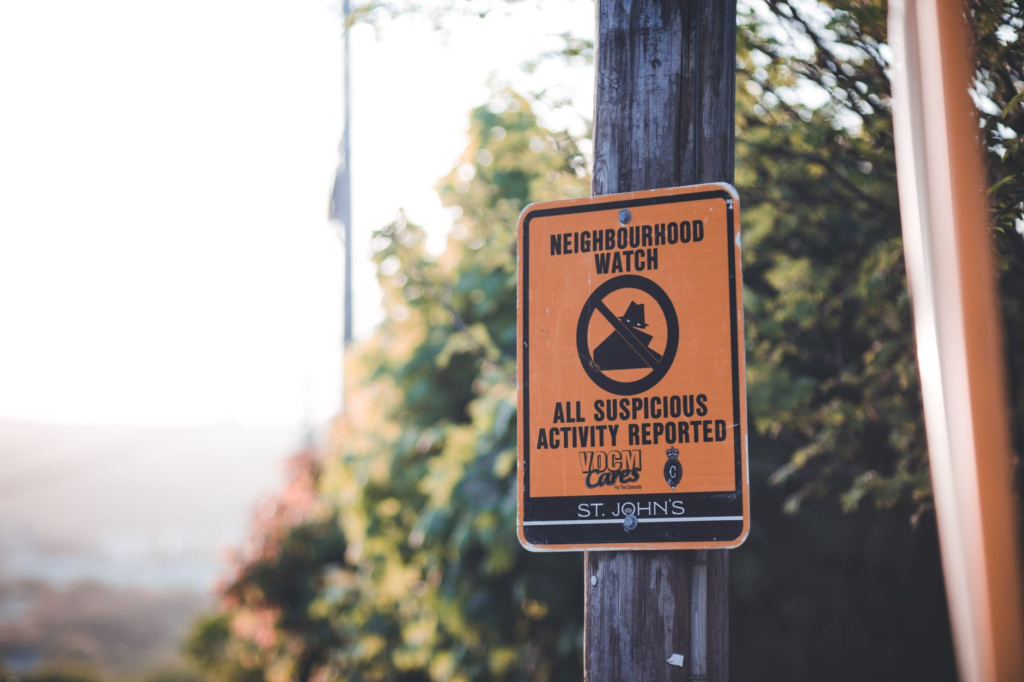
The Benefits of Crime Stoppers to Local Communities
Crime Stoppers organizations play a pivotal role in enhancing public safety through their unique approach to community engagement and crime reduction. By fostering active participation from residents, these initiatives create a robust system that not only empowers citizens but also significantly impacts the overall safety of neighborhoods.
Community Involvement and Engagement
One of the key benefits of Crime Stoppers is the promotion of community involvement. These programs encourage residents to take an active role in reporting suspicious activities and sharing information about ongoing crimes. This grassroots approach not only leads to higher crime reporting rates but also fosters a sense of collective responsibility among community members. According to a study by the National Institute of Justice, communities with active Crime Stoppers programs see a notable increase in citizen cooperation with law enforcement.
Additionally, Crime Stoppers initiatives often host community events and educational campaigns that inform residents about local crime trends and safety measures. This engagement builds stronger neighborhood ties and encourages collaborative efforts to tackle crime, enhancing the overall well-being of the community.
Boosting Trust in Law Enforcement and the Impact of Crime Stoppers
The impact of Crime Stoppers extends beyond mere crime reporting; it also enhances trust between law enforcement agencies and the communities they serve. By providing an anonymous platform for reporting crimes, Crime Stoppers alleviates fear of retaliation and encourages more individuals to come forward. This anonymity helps to build a bridge of trust, demonstrating that law enforcement is committed to safeguarding the community without compromising individual safety.
Research highlights that communities with high levels of trust in police are more likely to experience crime reduction. A Bureau of Justice Statistics report indicated that cooperation between citizens and law enforcement significantly decreases crime rates, underlining the effectiveness of programs like Crime Stoppers in fostering positive relationships.
Overall, the benefits of Crime Stoppers programs are clear, by promoting community involvement and enhancing trust in law enforcement, these initiatives play a crucial role in creating safer neighborhoods.

Crime Reduction: The Direct Impact of Crime Stoppers Initiatives
Statistical Evidence of Crime Reduction
The impact of Crime Stoppers initiatives on crime reduction is evident in various statistical analyses. Studies have shown that cities with active Crime Stoppers programs experience significantly lower crime rates. For example, a report from the Bureau of Justice Statistics highlights that areas implementing crime tip lines have seen up to a 25% reduction in specific crime categories such as theft and assault. This reduction is largely attributed to increased community involvement, fostering a collaborative environment between law enforcement and residents.
Case Studies in Pennsylvania Demonstrating the Impact of Crime Stoppers
In Pennsylvania, several case studies illustrate the effectiveness of Crime Stoppers initiatives. One notable example is the Crime Stoppers of Greater Pittsburgh, which has successfully reduced local crime rates through community engagement campaigns and by incentivizing anonymous tips. Following a series of outreach programs, they reported a 30% decrease in reported burglaries within a year. Residents felt empowered to contribute to their communities, which exemplifies one of the key benefits of Crime Stoppers: enhanced public safety through active participation.
Another example from Philadelphia showcases a targeted initiative against gun violence. In collaboration with local law enforcement, Crime Stoppers launched a campaign that resulted in a 15% drop in gun-related incidents over six months. This initiative not only underscored the program’s potential for crime reduction but also reinforced the importance of community involvement in addressing serious public safety issues.
With these compelling statistics and case studies, it’s clear that the impact of Crime Stoppers extends beyond mere numbers; it cultivates a proactive community spirit that actively fights crime. The ongoing success of such programs underscores the necessity of continued support and participation from local citizens.

Challenges and Limitations of Crime Stoppers Programs
Addressing Community Skepticism Regarding the Impact of Crime Stoppers
One of the significant challenges facing Crime Stoppers programs is community skepticism. Many individuals may doubt the anonymity of reporting or question whether their tips will lead to real change. This skepticism can hinder community involvement, which is crucial for the success of these initiatives. When community members do not trust the system, they are less likely to participate, which can limit the overall effectiveness and impact of Crime Stoppers in reducing crime.
To counteract this skepticism, it is essential for Crime Stoppers programs to actively engage with their communities. This engagement can include informational sessions, outreach programs, and testimonials from individuals who have benefited from the program. By demonstrating transparency and effectiveness, these programs can build trust and encourage more people to contribute, thus enhancing their overall impact.
Funding and Resource Allocation
Another major hurdle for Crime Stoppers programs is securing adequate funding and resources. Many programs operate on limited budgets, which can restrict their ability to promote awareness and enhance their services. Insufficient funding can lead to reduced outreach efforts, limiting the benefits of Crime Stoppers in local communities. Moreover, programs that lack financial support may struggle to maintain essential operations, undermining their potential for crime reduction.
Ongoing financial support from local governments, businesses, and community members is vital for sustaining Crime Stoppers initiatives. Developing partnerships with local organizations can offer additional funding opportunities and resources. By fostering these collaborations, Crime Stoppers programs can strengthen their presence in the community and maximize their effectiveness in addressing crime.
Overall, while challenges like community skepticism and funding limitations exist, with proactive engagement and support, the positive impact of Crime Stoppers can be realized. Addressing these issues is crucial for ensuring that these programs continue to thrive and contribute to safer communities.

How to Get Involved with Crime Stoppers in Pennsylvania
Joining the Movement: Understanding the Impact of Crime Stoppers
Getting involved with Crime Stoppers in Pennsylvania is a rewarding way to contribute to your community and help in crime reduction efforts. One of the first steps you can take is to visit the official Crime Stoppers Pennsylvania website, where you can find information on local chapters and initiatives. Joining your local chapter allows you to participate in community meetings and events that focus on crime prevention and safety.
Volunteering is another excellent way to make a difference. Many chapters welcome individuals who can help with administrative tasks, organize fundraising events, or assist in awareness campaigns. Reach out to your local Crime Stoppers organization to inquire about specific volunteer opportunities. Engaging with these programs not only enhances community involvement but also amplifies the overall impact of Crime Stoppers in your area.
Supporting Local Initiatives for Greater Community Impact
In addition to volunteering, you can support local Crime Stoppers initiatives through donations or sponsorships. Your contributions help fund rewards for tips leading to arrests and foster educational programs in schools. Many chapters also host fundraising events, such as charity runs or community fairs, where your participation can further the cause of crime prevention.
Another effective way to support Crime Stoppers is by spreading the word about their programs and resources. Share information on social media, organize community discussions, or even host informational sessions in local schools or community centers. Awareness is key to enhancing the benefits of Crime Stoppers, as it encourages more individuals to report suspicious activities, ultimately leading to safer neighborhoods.
By taking these steps, you not only help in crime reduction but also contribute to building a stronger, more united community. For additional resources on how to engage with local law enforcement and community initiatives, consider visiting Crime Stoppers Rewards System in Pennsylvania.

The Future of Crime Stoppers in Pennsylvania
As communities across Pennsylvania continue to face challenges related to crime, the future of Crime Stoppers is poised for significant transformation. Leveraging innovations and technology will be central to enhancing the impact of Crime Stoppers, ensuring it meets the evolving needs of local communities.
Innovations and Technology to Enhance the Impact of Crime Stoppers
Technological advancements are reshaping how Crime Stoppers operates. Mobile applications and online platforms allow for anonymous reporting, making it easier for community members to provide tips. These digital tools enhance communication between law enforcement and citizens, fostering greater community involvement. Additionally, utilizing data analytics can help identify crime trends, enabling proactive measures for crime reduction. For instance, local Crime Stoppers programs may implement predictive policing technologies, which analyze patterns to allocate resources more effectively. According to a report by the Bureau of Justice Statistics, such strategies can significantly reduce crime rates in identified hotspots.

Expanding Community Solutions through Crime Stoppers
Looking ahead, the benefits of Crime Stoppers can be expanded through enhanced community partnerships. By collaborating with local organizations, schools, and businesses, Crime Stoppers can create comprehensive outreach programs that empower residents to take an active role in crime prevention. These initiatives can foster a sense of ownership and responsibility within neighborhoods, ultimately leading to safer environments. Educational workshops and events can further promote awareness of the importance of reporting suspicious activities, reinforcing the idea that community vigilance is essential for effective crime fighting.
As Crime Stoppers adapts to new challenges, continued commitment to innovation and community engagement will be vital. By harnessing technology and fostering partnerships, the impact of Crime Stoppers in Pennsylvania can be profound, leading to safer communities for all residents. To learn more about how you can get involved, consider reaching out to your local Crime Stoppers program or visiting their website for resources and information. Upcoming Crime Stoppers Events in Pennsylvania
The impact of Crime Stoppers on local communities is profound, as it fosters a collaborative environment where citizens actively participate in crime reduction efforts. By encouraging community involvement, Crime Stoppers not only empowers individuals to report suspicious activities but also builds trust between law enforcement and residents. This collaboration is crucial in creating safer neighborhoods and enhancing the overall quality of life.
<pThe benefits of Crime Stoppers extend beyond mere statistics; they cultivate a culture of vigilance and accountability. As communities come together to address crime, they experience a tangible decrease in incidents, which further strengthens community bonds. To harness the full potential of these initiatives, residents are encouraged to engage with local Crime Stoppers programs, share information, and participate in community events. By doing so, individuals can contribute significantly to making their neighborhoods safer and more resilient.“`html
What is the impact of Crime Stoppers on crime rates?
The impact of Crime Stoppers on crime rates can be significant. By encouraging community members to report crimes anonymously, these programs often lead to increased arrests and successful prosecutions. Studies have shown that communities with active Crime Stoppers programs tend to experience a reduction in certain types of crime, as the awareness and engagement of residents help deter criminal activity.
How does Crime Stoppers promote community involvement?
Crime Stoppers promotes community involvement by empowering residents to take an active role in enhancing public safety. Through educational campaigns, community meetings, and outreach programs, Crime Stoppers encourages individuals to share information about crime and suspicious activities. This collaborative approach not only fosters a sense of responsibility among community members but also strengthens the relationship between citizens and law enforcement.
What are the benefits of Crime Stoppers for local communities?
The benefits of Crime Stoppers for local communities are multifaceted. These programs enhance public safety by facilitating anonymous crime reporting, which can lead to quicker responses and interventions by law enforcement. Additionally, they promote community engagement and foster trust between residents and police. This collaboration often results in improved crime reduction and a stronger sense of community cohesion.
How can I report a crime through Crime Stoppers?
You can report a crime through Crime Stoppers by calling their hotline or submitting a tip online via their official website. When you provide information, you can remain anonymous, and many programs offer cash rewards for tips that lead to arrests. It’s important to provide as much detail as possible to aid law enforcement in their investigation.
What challenges does Crime Stoppers face in Pennsylvania?
Crime Stoppers in Pennsylvania faces several challenges, including funding constraints and the need for ongoing public awareness campaigns. Additionally, building trust within diverse communities can be difficult, especially in areas with historical tensions between residents and law enforcement. Engaging citizens in a meaningful way and encouraging them to report crimes anonymously remains a priority for these programs.
What role does technology play in Crime Stoppers programs?
Technology plays a vital role in Crime Stoppers programs by facilitating anonymous reporting and communication. Many programs use online platforms and mobile apps that allow individuals to submit tips easily and securely. Additionally, social media helps spread awareness about ongoing campaigns and encourages community participation, significantly enhancing the overall impact of Crime Stoppers initiatives.
“`