

Effective senior scam prevention is more crucial than ever in 2023 as the threat of elder fraud continues to escalate. Seniors are increasingly targeted by financial scams, making it imperative for families and caregivers to be aware of common tactics used by fraudsters. This article delves into the importance of senior scam prevention today, identifying prevalent types of scams that affect older adults, and offering practical tips for enhancing senior safety. We will also explore how leveraging technology can bolster identity theft protection, ensuring that seniors can enjoy their golden years without fear. Additionally, we will highlight community resources and support networks that provide valuable assistance in combatting these threats. As we look ahead, understanding the evolving landscape of scams will be essential in strengthening our defenses against potential risks. For more insights on protecting seniors, visit FTC Senior Scam Prevention and NCOA on Financial Scams.
The Importance of Senior Scam Prevention Today
Understanding the Rise of Elder Fraud
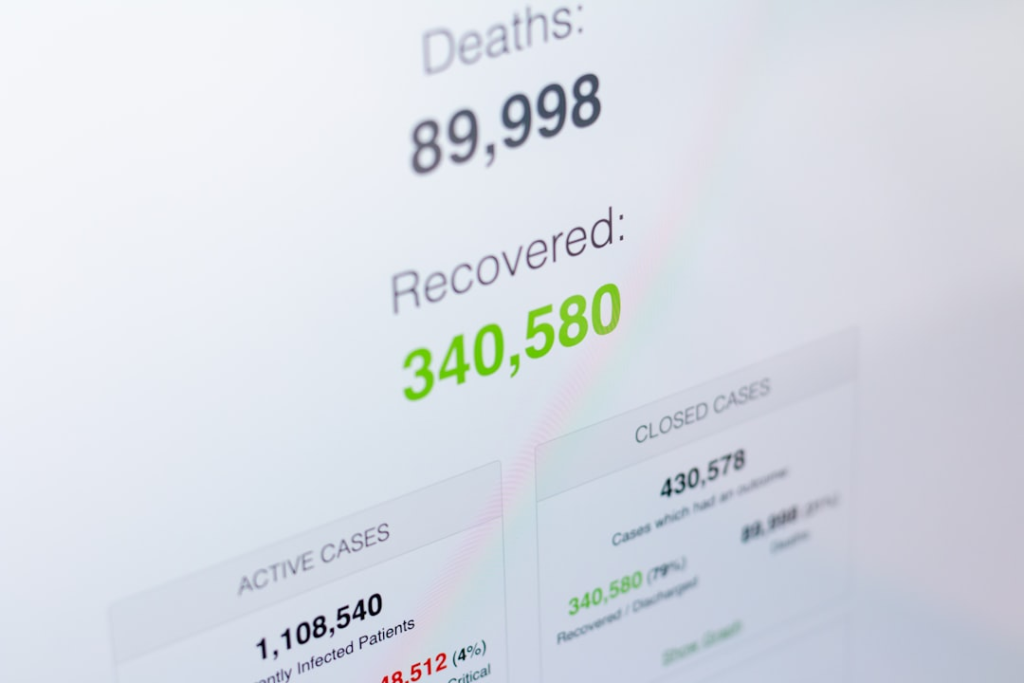
The digital age has transformed communication and commerce, but it has also given rise to an alarming increase in elder fraud. According to the Consumer Financial Protection Bureau, older adults lose an estimated $36 billion each year due to financial scams. This staggering figure highlights the urgent need for effective senior scam prevention, as these financial crimes can devastate the lives of vulnerable seniors, eroding their savings and diminishing their quality of life.
Current Trends in Financial Scams Targeting Seniors
Recent trends indicate that financial scams targeting seniors have become more sophisticated and prevalent. Scammers employ tactics such as phishing emails, fake investment opportunities, and impersonation scams that exploit emotions and trust. For instance, a National Council on Aging report revealed that 1 in 10 older adults have experienced some form of financial exploitation. With the rise of technology, seniors are increasingly vulnerable to identity theft, making it imperative to implement robust identity theft protection measures.
As the landscape of elder fraud continues to evolve, the implications for senior safety are significant. Financial scams not only affect an individual’s finances but can also lead to emotional distress and a loss of independence. Therefore, investing in senior scam prevention strategies is no longer optional; it is essential for safeguarding the well-being of our aging population. Resources such as the AARP Fraud Watch Network offer valuable information and tools to help seniors stay informed and protected.
In this rapidly changing environment, awareness and education are vital. By understanding the latest trends in financial scams and prioritizing senior scam prevention, we can empower older adults to protect themselves from the growing threat of elder fraud. For further reading on this critical issue, consider exploring the resources provided by the Consumer Financial Protection Bureau and the National Council on Aging for strategies that can help mitigate these risks.
Identifying Common Types of Scams Against Seniors
As the digital landscape evolves, so do the tactics employed by scammers targeting vulnerable populations. Seniors, in particular, are often seen as prime targets for various forms of fraud. Understanding common scams is a critical aspect of effective senior scam prevention in 2023. By recognizing these threats, seniors can better protect themselves and their finances.
Spotting Identity Theft and Its Consequences
Identity theft is one of the most pervasive forms of elder fraud, where scammers steal personal information to impersonate victims. This can lead to unauthorized transactions, damage to credit scores, and long-term financial repercussions. For instance, a senior might receive a call from someone claiming to be from a bank, asking for sensitive information under the pretext of account verification. To combat this, seniors should regularly check their bank statements and credit reports for unusual activity, utilize strong passwords, and enroll in identity theft protection services.
Additionally, the Federal Trade Commission (FTC) emphasizes the importance of reporting suspected identity theft immediately. This can help mitigate damages and initiate recovery processes. Resources such as the AARP’s fraud prevention guidelines offer valuable information on recognizing these threats and steps to follow if one falls victim to identity theft. Online Fraud Prevention: Tackling the Rise of Scams
Recognizing Other Financial Scams for Senior Scam Prevention
Beyond identity theft, seniors are frequently targeted by a variety of financial scams, including phishing schemes and lottery scams. In a typical phishing scam, an email appears to be from a legitimate source, urging the recipient to click a link and enter personal information. For example, a senior might receive a message claiming they’ve won a prize, only to be asked for payment to claim it. Such scams can lead to significant financial losses.
Lottery scams often exploit the excitement of winning, where seniors are informed they’ve won a lottery they never entered and must pay fees to collect their winnings. Educating seniors about these tactics is crucial for senior safety. They should be reminded that legitimate organizations will never ask for personal information via email or demand payment for winnings.
To further enhance protection, seniors are encouraged to speak with family members about suspicious communications and to utilize resources for reporting fraud attempts. Staying informed and vigilant can significantly reduce the risk of falling victim to these scams. Identity Theft Prevention: Warning Signs and Tips
Practical Tips for Senior Safety and Scam Prevention
As the digital landscape evolves, so do the tactics employed by scammers targeting seniors. Understanding how to protect oneself from financial scams and elder fraud is crucial for maintaining both safety and peace of mind. Here are some actionable strategies that can significantly enhance senior scam prevention.
Educating Seniors on Safe Practices
Education is a powerful tool in combating fraud. Seniors should be informed about common scams, including phishing emails, fraudulent phone calls, and online schemes. Regular workshops can provide valuable insights into identifying suspicious activities. Organizations like the National Council on Aging offer resources that help seniors recognize and avoid scams. Furthermore, sharing stories of scams with peers can create a community of vigilant individuals who watch out for one another.
- Encourage seniors to verify the identity of anyone requesting personal information.
- Promote the use of identity theft protection services that monitor accounts for unusual activities.
- Develop a habit of discussing financial decisions with trusted family members or friends.
Establishing Support Systems for Vulnerable Elders
Creating a strong support network is vital for senior safety. Family and friends should be proactive in checking in on elderly relatives, both physically and digitally. This includes helping them review bank statements and online accounts for potential signs of fraud. Setting up alerts for significant transactions can also provide an extra layer of security.
Additionally, local community centers often host events focused on elder fraud awareness. Encourage seniors to participate in these programs to enhance their knowledge and build connections with others facing similar challenges. By engaging in these activities, seniors not only improve their understanding of senior scam prevention but also reduce feelings of isolation, which can make them more vulnerable to scams.
In the quest for safety, leveraging available resources and forming strong connections can empower seniors to protect themselves effectively. For more information on community resources, consider visiting Pennsylvania Scam Alert Guide: Common Scams and Prevention.

Leveraging Technology for Senior Scam Prevention
As we navigate through 2023, the rise of digital interactions has made seniors particularly vulnerable to elder fraud and financial scams. However, technology also offers valuable tools for identity theft protection and enhancing senior safety. By leveraging the right resources, seniors can protect themselves against the increasing threat of scams.
Using Apps and Tools for Monitoring
Several apps and services can aid in monitoring financial accounts and safeguarding personal information. Tools like Credit Karma allow users to keep track of their credit scores and alerts for any unusual activity. Identity theft protection services such as LifeLock offer comprehensive monitoring, including dark web scans and identity restoration support. Additionally, apps like Mint help seniors track their spending and identify suspicious transactions quickly.
Utilizing these technologies contributes significantly to effective senior scam prevention, allowing individuals to remain vigilant and informed about their financial health.
Best Practices for Online Safety
While technology provides robust tools, adherence to best practices is equally crucial. Seniors should create strong, unique passwords for each online account and consider using a password manager, such as LastPass, to store them securely. It is also essential to recognize suspicious emails and messages, especially those requesting personal information. Familiarizing oneself with common tactics used by scammers can greatly enhance senior safety.
For comprehensive guidelines on identity theft protection, seniors can visit the FTC’s Identity Theft page. This resource offers valuable information about protecting personal information and responding to identity theft incidents.
By embracing technology and following best practices, seniors can significantly mitigate their risk of falling victim to scams, ensuring a safer online experience and financial security for the future.
Community Resources and Support Networks for Senior Scam Prevention
Local and National Organizations Focused on Senior Fraud Prevention
As the landscape of financial scams evolves, it is crucial for seniors to stay informed about available resources dedicated to senior scam prevention. Organizations such as the National Association of Attorneys General provide hotlines and educational materials focused on protecting seniors from elder fraud. Many local agencies also offer programs tailored to help seniors identify potential scams and navigate issues related to identity theft protection.
For instance, the AARP Fraud Watch Network equips seniors with tools and information to recognize and report scams, while the Consumer Financial Protection Bureau provides resources to help seniors protect their finances against scams. Engaging with these organizations can empower seniors to safeguard their assets and increase awareness of common scams targeting their demographic.
Creating a Neighborhood Watch for Seniors to Enhance Senior Safety
Establishing a neighborhood watch specifically for seniors can significantly bolster senior safety and promote community vigilance against financial scams. This initiative fosters communication among neighbors, allowing seniors to share experiences and warnings about suspicious activities. By organizing regular meetings, participants can discuss recent scams and develop strategies for prevention.
Local law enforcement often supports these initiatives by providing training sessions on identifying fraud and recognizing warning signs of elder fraud. Additionally, resources like the Senior Safety Network offer guidance on setting up such programs. A proactive community approach not only enhances senior scam prevention but also builds a supportive environment where seniors feel valued and protected.
By participating in local initiatives and pooling resources, seniors can create a formidable defense against financial scams and identity theft. Together, they can foster an atmosphere of safety and trust, enhancing the overall resilience of their community against fraudulent activities.

Looking Ahead: The Future of Senior Scam Prevention
Anticipating New Trends in Fraud Targeting Seniors
The landscape of financial scams continues to evolve, particularly as technology advances. Scammers are becoming increasingly sophisticated, leveraging new digital platforms and tools to target seniors. For instance, the rise of artificial intelligence and deepfake technology has made it easier for fraudsters to impersonate trusted figures, creating more convincing deception. As the elderly population becomes more reliant on technology for communication and financial transactions, the potential for elder fraud increases. In fact, according to the Consumer Financial Protection Bureau, older adults are disproportionately affected by these scams, often suffering significant losses.
As we look ahead, senior scam prevention must adapt by focusing on education and awareness. Communities can implement proactive measures, such as workshops and online resources, to equip seniors with the knowledge to identify potential scams. Additionally, integrating identity theft protection services into senior-centered programs can further bolster their defenses against these emerging threats.
Advocating for Stronger Protections in Senior Scam Prevention
Alongside individual efforts, advocacy for stronger legislative protections is vital in combating senior scams. Policymakers must prioritize legislation that addresses the unique vulnerabilities faced by older adults. By supporting organizations like the National Association of States United for Aging and Disabilities, individuals can help push for policies aimed at enhancing senior safety and preventing financial exploitation.
Everyone has a role to play in this effort. Community members can participate in awareness campaigns, volunteer at local organizations, or even reach out to their representatives to voice concerns about elder fraud. By fostering a culture of vigilance and support, we can work towards a future where seniors are better protected against the evolving landscape of scams.

Implementing effective senior scam prevention strategies is crucial in protecting against elder fraud and financial scams that can jeopardize the well-being of older adults. By staying informed about the latest tactics used by scammers, seniors can enhance their identity theft protection and maintain their financial security. Regular discussions with family members about potential risks can also strengthen senior safety, creating a supportive environment for vigilance.
To take action today, consider organizing a community workshop focused on senior scam prevention. This initiative can foster awareness and equip participants with the knowledge they need to recognize and avoid scams. Remember, proactive steps can significantly reduce the risk of falling victim to scams, ensuring that seniors not only protect their finances but also enjoy peace of mind.
“`html
What are the most common scams targeting seniors?
The most common scams targeting seniors include lottery scams, romance scams, and phishing emails. Fraudsters often impersonate trusted organizations or create fake scenarios to deceive seniors into providing personal information. Additionally, scams involving fake home repairs or medical equipment can prey on seniors’ vulnerabilities. Awareness of these tactics is crucial for effective senior scam prevention.
How can seniors protect themselves from identity theft?
Seniors can protect themselves from identity theft by regularly monitoring their bank statements and credit reports for suspicious activity. Utilizing strong, unique passwords for online accounts and avoiding sharing personal information over the phone can also help. Enrolling in identity theft protection services can provide additional peace of mind by alerting seniors to any unauthorized use of their information.
What resources are available for senior scam prevention?
Numerous resources are available for senior scam prevention, including the Federal Trade Commission’s website, which offers information on recognizing scams. Local community organizations often host workshops and provide educational materials. Additionally, the AARP provides resources and guidance on fraud prevention specifically tailored for seniors, helping them stay informed and vigilant.
How can families help protect their elderly relatives from fraud?
Families can help protect their elderly relatives from fraud by maintaining open communication about potential scams and encouraging them to discuss any suspicious calls or emails. Setting up financial safeguards, such as joint bank accounts or monitoring services, can also enhance senior safety. Regular check-ins can help ensure that seniors feel supported and informed about the latest scams.
What should seniors do if they fall victim to a scam?
If seniors fall victim to a scam, they should immediately report it to their bank and local authorities. They can also file a complaint with the Federal Trade Commission. Taking quick action can help prevent further losses and protect against identity theft. Additionally, seeking support from family or friends can provide emotional relief during this challenging time.
Are there specific technologies that can help prevent financial scams?
Yes, specific technologies can help prevent financial scams. Using call-blocking apps can reduce unwanted robocalls, while security software on computers and smartphones can protect against malware and phishing attempts. Additionally, enabling two-factor authentication on online accounts adds an extra layer of security, making it harder for scammers to access personal information.
“`