

Personal safety tips are essential for anyone navigating public spaces, where unforeseen circumstances can arise at any moment. This comprehensive guide explores various aspects of personal safety, emphasizing the importance of situational awareness and proactive measures for crime prevention. Readers will discover essential personal safety tips tailored for everyday situations, empowering them to make informed decisions and remain vigilant in their environments. Additionally, we will delve into the implications of public safety education, highlighting how awareness and training can significantly enhance individual and community safety. As we look to the future, we will also examine emerging trends in personal safety and public awareness, ensuring that you stay informed and prepared. Whether you are commuting, shopping, or attending events, this guide will equip you with the knowledge and strategies necessary to safeguard yourself and others. For more information on crime prevention strategies, visit the National Crime Prevention Council.
Essential Personal Safety Tips for Public Places
As urban environments continue to grow and evolve, understanding personal safety tips in public places has never been more critical. With increasing reports of crime and safety concerns, individuals must prioritize their awareness and preparedness when navigating crowded venues, public transportation, or open spaces. This section delves into essential strategies that everyone can employ to enhance their safety while out and about.
Understanding Situational Awareness
At the heart of personal safety is the concept of situational awareness. This involves being cognizant of your surroundings and recognizing potential threats, whether they are environmental hazards or suspicious behaviors. For example, if you notice someone following you or a group of individuals acting erratically, your ability to analyze these situations can significantly impact your safety. By being aware of your environment, you can make informed decisions and take preventive actions when necessary.
To develop your situational awareness, consider the following tips:
- Stay alert: Put away your phone and avoid distractions when in public spaces.
- Observe your surroundings: Regularly scan the area for anything or anyone that seems out of place.
- Maintain a mental map: Familiarize yourself with exits, restrooms, and safe spaces in any public venue.
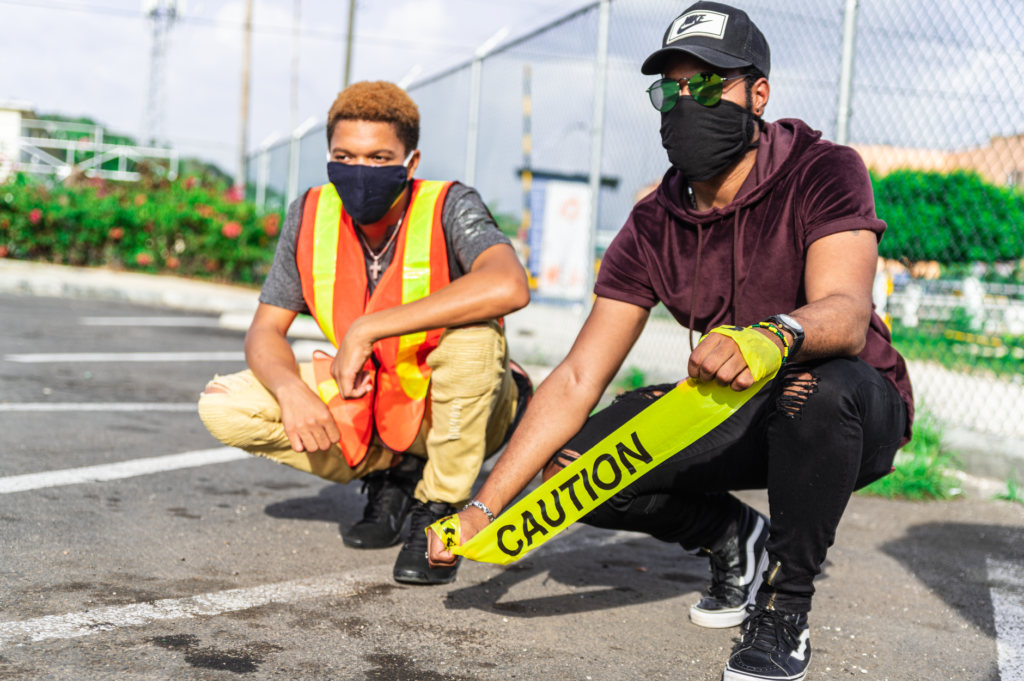
Personal Safety Tips: Crime Prevention Strategies
Implementing effective crime prevention strategies is crucial for enhancing personal safety. Here are some key tactics to consider:
- Avoid isolated areas: Stick to populated routes, especially at night, where you’re more likely to receive help if needed.
- Choose well-lit spaces: Darkness provides cover for potential threats; well-lit areas increase visibility for you and others.
- Trust your instincts: If a situation feels unsafe, remove yourself from it as quickly as possible.
Public safety education plays an essential role in fostering awareness and preparedness. Communities that provide resources and training on safety are better equipped to handle emergencies and reduce the likelihood of crime. Engaging in local safety workshops or seeking out educational materials can empower individuals and enhance overall public safety.
By integrating these essential personal safety tips into your daily routine, you can navigate public spaces with greater confidence and security. Remember, awareness and preparedness are your best defenses against potential threats.
The Implications of Public Safety Education
Why Public Safety Education Matters
Public safety education is crucial for empowering individuals and communities. As crime rates fluctuate, understanding personal safety tips can significantly reduce the risk of victimization. A study by the Bureau of Justice Statistics indicates that communities with active public safety education programs experience lower crime rates, showcasing the direct correlation between knowledge and crime prevention. By equipping citizens with the skills to assess their surroundings and develop situational awareness, public safety education fosters a proactive approach to personal and community safety. Furthermore, public safety education promotes a culture of vigilance and responsibility. When individuals are informed about crime trends and safety strategies, they are more likely to share that knowledge within their communities. This collective awareness can deter potential offenders and create a safer environment for everyone. Additionally, educational initiatives often address specific local concerns, tailoring personal safety tips to the unique challenges faced by different neighborhoods, which enhances their effectiveness.
How to Engage in Public Safety Education
Engaging in public safety education can take many forms, allowing individuals to choose the method that best suits their learning style. Local community programs often provide workshops and seminars focused on personal safety tips, situational awareness, and crime prevention strategies. Many police departments offer free resources and events aimed at educating the community about safety measures, such as self-defense classes and neighborhood watch programs. For those who prefer online learning, numerous platforms offer courses on personal safety and crime prevention. Websites like the National Crime Prevention Association (
NCPC) provide a wealth of information and online resources that can help individuals enhance their personal safety knowledge. Moreover, collaboration with schools to implement public safety education can lead to lasting benefits for younger generations. Programs that teach children about safety in public spaces not only reduce their risk but also help instill lifelong habits of awareness and caution. By prioritizing public safety education, communities can cultivate safer environments and significantly reduce the likelihood of crime. It is an investment in the well-being of individuals and the collective safety of neighborhoods.
Practical Personal Safety Tips for Everyday Situations
As incidents of crime and safety concerns rise in various urban settings, individuals must prioritize their personal safety in public places. This section aims to equip readers with effective personal safety tips applicable to everyday situations, including safe travel, public transport, and bustling areas. Enhancing one’s situational awareness and adopting proactive crime prevention strategies can significantly reduce risks and promote a secure environment.
Safe Travel Tips
When traveling alone, it is crucial to maintain awareness and plan ahead. Here are some practical personal safety tips:
- Research Your Destination: Before heading out, familiarize yourself with the area. Identify safe routes, local emergency contacts, and nearby establishments that can assist in case of an emergency.
- Stay Vigilant: Keep an eye on your surroundings, especially in crowded places like airports or bus terminals. Trust your instincts; if something feels off, seek assistance or change your route.
- Travel Light: Carry only what you need. Use a crossbody bag and keep it close to your body to minimize the risk of theft.
For those using public transport, consider the following:
- Choose Well-Lit Stops: Wait for transport in well-lit areas, particularly at night. If possible, avoid isolated bus or train stops.
- Plan Your Route: Use public transport apps to track your journey in real time, ensuring you know when your stop is approaching.
Using Technology for Safety: Personal Safety Tips
In an age where technology plays a pivotal role in our lives, leveraging it for personal safety can be empowering. Here are some ways to use technology effectively:
- Safety Apps: Download safety apps such as bSafe or SafeTrek. These apps allow you to share your location and alert trusted contacts in emergencies.
- Location Sharing: Use location-sharing features available on smartphones to keep family or friends updated about your whereabouts when traveling.
- Emergency Contacts: Program emergency contacts into your phone, making it easy to reach someone in case of distress.
Public safety education is essential for fostering a culture of awareness and preparedness. Engaging in community workshops and safety programs can enhance your understanding of potential threats and the best practices to counteract them. By incorporating these personal safety tips into your daily routine, you can navigate public spaces with confidence.
As we look toward the future, cultivating a proactive mindset towards personal safety will be crucial in addressing evolving public safety challenges. By integrating situational awareness and modern technology into our daily lives, we can create safer environments for ourselves and our communities.
Future Trends in Personal Safety and Public Awareness
Emerging Technologies in Personal Safety
As we advance into a more interconnected world, personal safety tips are evolving, driven by technological innovations. The integration of artificial intelligence (AI) in safety applications is one of the most promising trends. AI can analyze real-time data from various sources, such as surveillance cameras and social media feeds, to detect potential threats before they escalate. For instance, AI-driven algorithms can identify patterns of unusual behavior in crowded public places, allowing for timely interventions by law enforcement or security personnel.
Moreover, smart city initiatives are transforming urban environments into safer spaces. Cities are increasingly investing in enhanced lighting, improved public transportation safety, and the implementation of emergency alert systems. These innovations not only help in crime prevention but also bolster community trust and encourage public safety education. The rise of mobile safety apps, which provide users with real-time updates and emergency resources, is another example of how technology is enhancing individual safety in public settings. By using these tools, individuals can stay informed and make educated decisions about their surroundings.
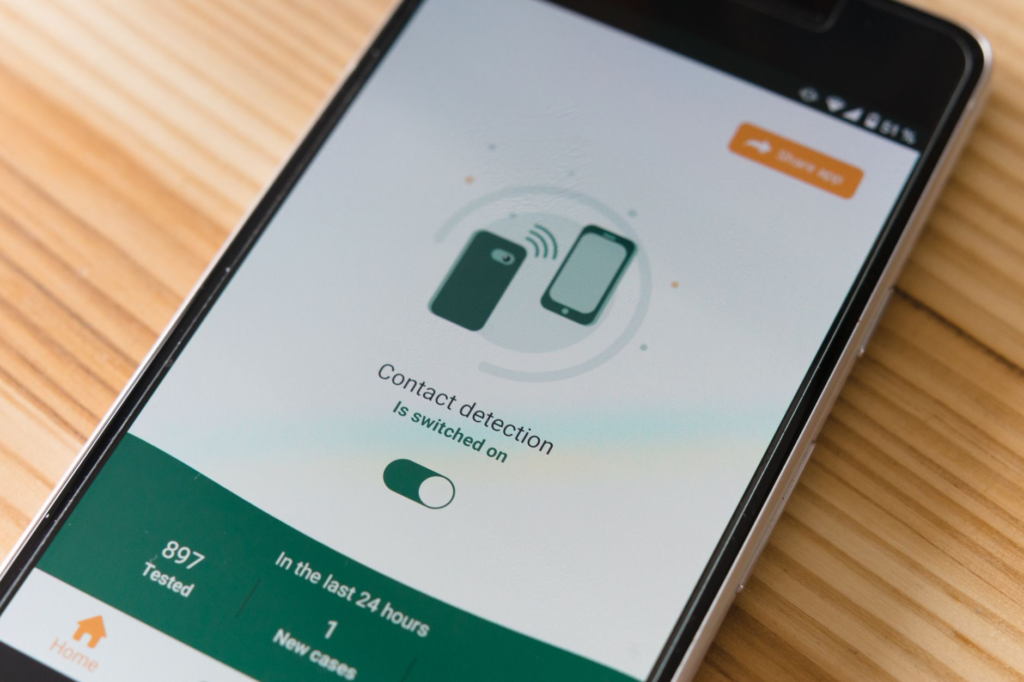
Community Initiatives for Safer Public Spaces and Personal Safety Tips
While technology plays a crucial role in personal safety, community-driven initiatives are equally important. Local organizations and residents are collaborating to create safer environments through awareness programs and neighborhood watch schemes. These efforts not only enhance situational awareness among community members but also foster a collective responsibility for public safety. For example, community workshops focusing on crime prevention strategies can empower individuals with the knowledge and tools needed to protect themselves and others.
Furthermore, public safety education campaigns are gaining traction, emphasizing the importance of preparedness and proactive measures. By equipping citizens with personal safety tips and resources, we can create a more resilient society capable of responding to emergencies. Individuals can contribute to these community efforts by volunteering, participating in local safety meetings, or simply sharing personal experiences and safety knowledge with others.
As we look to the future, the combination of emerging technologies and community initiatives will redefine personal safety in public spaces, making our environments safer and more secure for everyone.
Implementing effective personal safety tips is essential for navigating public spaces confidently. By fostering situational awareness, you can better assess your environment and recognize potential threats before they escalate. Remember, crime prevention starts with being aware of your surroundings and trusting your instincts. Incorporating public safety education into your routine can empower you and those around you, creating safer communities.
To enhance your personal safety, consider sharing these personal safety tips with friends and family, ensuring that everyone is equipped with the knowledge to protect themselves. Regularly practicing situational awareness and staying informed about crime prevention strategies will not only benefit you but also contribute to a culture of safety. Start today by evaluating your surroundings and taking proactive steps to enhance your personal security in public places.
“`html
What are effective personal safety tips for public places?
Effective personal safety tips include staying aware of your surroundings, keeping your belongings close, and avoiding distractions like your phone. When traveling alone, stick to well-lit areas and avoid shortcuts through isolated places. Inform someone about your whereabouts and consider carrying a whistle or personal alarm. Familiarize yourself with emergency exits and local resources, such as nearby police stations or help centers. These practices can significantly enhance your safety and confidence in public settings.
How can I improve my situational awareness in crowded areas?
Improving situational awareness in crowded areas involves engaging your senses and observing your environment actively. Start by scanning the crowd for unusual behavior or individuals acting suspiciously. Limit distractions, such as using your phone or wearing headphones, to stay alert. Practice recognizing exits, potential hazards, and safe zones. Regularly assess your comfort level and trust your instincts. Increased situational awareness can empower you to respond effectively to potential threats.
What are some crime prevention strategies I can use daily?
Daily crime prevention strategies include securing your home with locks and alarms, avoiding routine patterns in your movements, and being cautious when sharing personal information online. Always keep your valuables hidden and be mindful of your surroundings. If you’re parking, choose well-lit areas close to entrances. Consider joining community watch programs for collective safety efforts. Employing these strategies can help reduce your risk of becoming a victim of crime.
Why is public safety education important for communities?
Public safety education is essential for communities as it raises awareness about potential risks and equips individuals with the knowledge to respond effectively. This type of education fosters a culture of safety, encouraging residents to engage in crime prevention and emergency preparedness. When communities are informed, they can work together to identify issues, advocate for resources, and develop strategies to enhance overall safety. Education empowers individuals to protect themselves and contribute to a safer environment.
How can technology help with personal safety in public?
Technology can significantly enhance personal safety in public through various tools and applications. Smartphone apps allow users to share their location with trusted contacts and alert authorities in emergencies. Personal safety devices, such as smartwatches and GPS trackers, can provide peace of mind. Additionally, social media platforms can be used to communicate safety updates and share local crime alerts. Leveraging these technologies can create a safer public experience and improve response times to incidents.
What should I do if I feel unsafe in a public place?
If you feel unsafe in a public place, trust your instincts and take immediate action. Move to a more populated area or find a nearby security personnel or law enforcement officer. If you are in danger, call emergency services or use a personal safety app to alert someone. Try to stay calm and assess your surroundings for potential exits. Avoid confrontation and prioritize your safety above all else. Always have a plan for such situations in advance.
“`