

Community involvement in crime prevention is increasingly recognized as a crucial strategy for enhancing public safety and reducing local crime rates. By fostering a sense of ownership and responsibility among residents, communities can implement effective public safety initiatives that not only deter criminal activity but also promote social cohesion. This article delves into the multifaceted role of community involvement in crime prevention, examining how community action can lead to significant improvements in safety and well-being. We will explore the various public safety initiatives that have proven successful in different neighborhoods and highlight the tangible benefits of engaging local residents in these efforts. Additionally, we will provide actionable insights on how to encourage greater community participation in crime prevention activities. With a collaborative approach, communities can forge stronger ties and create safer environments for everyone. Join us as we uncover the path toward a more secure future through community involvement in crime prevention. For further reading, consider exploring National Institute of Justice’s findings on community crime prevention strategies.
Understanding Community Involvement in Crime Prevention
What Is Community Involvement?
Community involvement refers to the active participation of individuals and groups in efforts to improve their local environment and enhance the quality of life for all residents. This engagement can manifest in various forms, such as volunteering, joining neighborhood watch programs, or participating in public safety initiatives. The significance of community involvement in crime prevention cannot be overstated; engaged communities often create a sense of belonging and shared responsibility, which can lead to a more proactive approach to addressing crime. When residents collaborate, they become more aware of their surroundings and can effectively identify and respond to suspicious activities.
The Link Between Community Action and Crime Rates
Research indicates a strong correlation between community action and reductions in local crime rates. A study conducted by the National Institute of Justice found that communities with higher levels of engagement saw significant declines in crime compared to less engaged neighborhoods. For instance, areas that implemented neighborhood watch programs reported reductions in property crime by up to 30%. These statistics underscore the power of community involvement in crime prevention, illustrating that when residents take an active role in their neighborhoods, they can create safer environments.
Furthermore, public safety initiatives that encourage community participation have been shown to foster trust between residents and law enforcement. A report from the Bureau of Justice Assistance highlights how collaborative efforts can enhance communication, build relationships, and ultimately lead to a shared commitment toward crime reduction. Engaged communities are more likely to report crimes, assist in investigations, and work alongside law enforcement to develop strategies tailored to their specific needs.

community involvement in crime prevention is not just beneficial; it is essential. By actively participating in community action, residents can effectively influence local crime rates, making their neighborhoods safer and more secure.
The Role of Public Safety Initiatives
Public safety initiatives play a crucial role in fostering community involvement in crime prevention. By encouraging residents to participate actively in safeguarding their neighborhoods, these programs not only empower individuals but also contribute significantly to reducing local crime rates. Effective public safety programs leverage the collective strength of the community, fostering collaboration between law enforcement and residents.
Effective Public Safety Programs
Many cities have implemented successful public safety initiatives that emphasize community action. One notable program is the Neighborhood Watch, which encourages residents to look out for one another and report suspicious activities to local authorities. This initiative has demonstrated its effectiveness, as communities with active Neighborhood Watch programs often see a marked decrease in crime rates. According to the National Institute of Justice, neighborhoods with strong watch programs can reduce crime by up to 16%.
Another effective initiative is the Community Policing model, which seeks to build partnerships between police officers and community members. By engaging in regular dialogue and forming collaborative problem-solving strategies, law enforcement can address specific issues within the community. This approach has been linked to lower crime rates and improved public trust in police, as illustrated by the Police Executive Research Forum.
Case Studies of Successful Initiatives in Community Involvement Crime Prevention
Real-world examples of successful public safety initiatives highlight the importance of community involvement in crime prevention. In Los Angeles, the Community Safety Partnership has shown remarkable results. This initiative focuses on building relationships between residents and police in high-crime areas, resulting in a significant drop in violent crime, particularly in public housing communities.
Similarly, the Cincinnati Police Department has developed several outreach programs that emphasize youth engagement and community action. Through mentorship and educational workshops, they have fostered a sense of ownership among residents, leading to a reduction in crime rates and increased community resilience.
These case studies illustrate that when public safety initiatives effectively involve community members, the results can be transformative. By working together, residents and law enforcement can create safer neighborhoods and build a culture of collaboration that is essential for long-term crime prevention.

Benefits of Community Action in Crime Prevention
Community action plays a vital role in enhancing public safety and reducing crime. By fostering collaboration among residents, law enforcement, and local organizations, communities can create a safer environment. The benefits of community involvement in crime prevention are multifaceted, leading to stronger neighborhoods and lower local crime rates.
Fostering Trust and Cooperation
One of the primary benefits of community involvement in crime prevention is the development of trust between residents and law enforcement. When community members engage with police through programs such as neighborhood watch or community policing initiatives, it cultivates an atmosphere of cooperation. This trust enables law enforcement to better understand the unique challenges and concerns of the community, allowing for tailored approaches to crime prevention.
Research shows that neighborhoods with strong social ties experience lower crime rates. For instance, a study by the National Institute of Justice found that increased community engagement led to a significant decrease in crime. When residents feel connected and empowered to report suspicious activities, they contribute to a proactive approach to safety, reinforcing the notion that crime prevention is a shared responsibility.
Empowering Residents to Take Action in Community Involvement Crime Prevention
Empowered communities are better equipped to organize effectively to prevent crime. Through public safety initiatives, residents can take an active role in identifying and addressing local issues. Community action groups often collaborate with law enforcement to establish programs that focus on crime prevention strategies, such as educational workshops on crime awareness, self-defense classes, and youth engagement activities.
Moreover, empowered residents can advocate for needed resources or changes in local policies that enhance safety. For example, the Brookings Institution emphasizes that community engagement is crucial for developing effective crime prevention strategies. By taking ownership of their environment, residents can work alongside law enforcement to create sustainable solutions that enhance public safety.
Ultimately, the benefits of community action in crime prevention extend beyond immediate safety concerns. They promote a sense of belonging, strengthen social cohesion, and instill pride in the neighborhood. By investing in community involvement, residents can create a powerful framework for reducing crime and enhancing overall public safety.

How to Encourage Community Involvement for Crime Prevention
Engaging community members is essential for effective crime prevention. Strong community involvement fosters a sense of ownership and responsibility towards local safety. Below are actionable strategies that local governments and organizations can implement to encourage greater participation in public safety initiatives and community action.
Strategies for Increased Participation
- Host Community Meetings: Regular meetings allow residents to voice concerns, share experiences, and discuss local crime rates. These forums can help identify specific issues and potential solutions, building a collaborative environment.
- Develop Educational Programs: Offer workshops that educate citizens on crime prevention strategies, emergency preparedness, and the importance of vigilance. Knowledgeable community members are more likely to engage in proactive measures.
- Create Volunteer Opportunities: Encourage residents to participate in neighborhood watch programs or community clean-up events. Active involvement not only enhances public safety but also strengthens community bonds.
- Utilize Social Media: Leverage platforms to share information about local crime trends, safety tips, and upcoming events. Engaging content can prompt discussions and motivate community members to get involved.
Building Networks and Resources for Community Involvement Crime Prevention
Establishing robust networks is vital for facilitating community involvement in crime prevention. Here are some effective methods:
- Collaborate with Local Organizations: Partner with schools, businesses, and non-profits to create a unified approach to public safety initiatives. These alliances can pool resources and share valuable insights.
- Engage Law Enforcement: Foster a positive relationship between the police and the community. Programs like “Coffee with a Cop” can break down barriers and encourage open communication, making residents feel more comfortable reporting crimes.
- Leverage Technology: Implement community alert systems that inform residents about crime incidents or safety tips in real-time. This approach not only keeps the community informed but also encourages active participation in safety measures.
By effectively implementing these strategies, local governments and organizations can significantly enhance community involvement in crime prevention efforts. This, in turn, leads to safer neighborhoods and a more engaged citizenry committed to improving public safety. 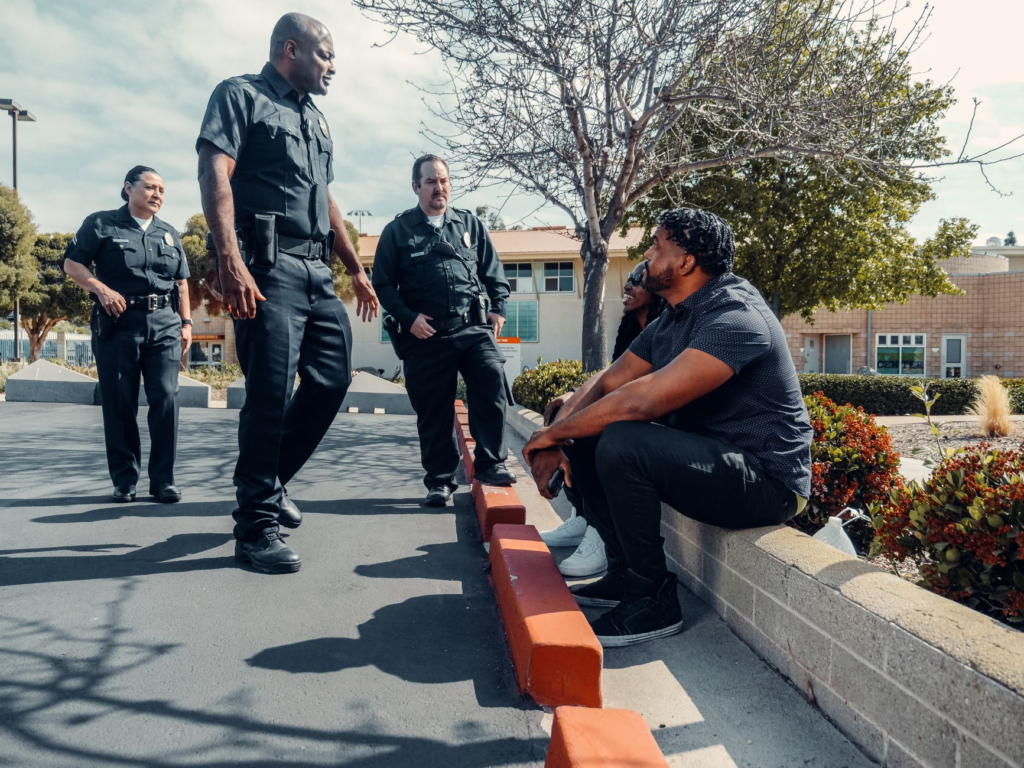
For more insights on fostering community engagement, community tips.
Conclusion: The Way Forward
Long-Term Commitment to Community Involvement in Crime Prevention
Community involvement in crime prevention is not a one-time effort; it requires a sustained commitment from all stakeholders involved. Local residents, law enforcement agencies, schools, and local organizations must work collaboratively to create a culture of safety and vigilance. This ongoing engagement allows communities to identify issues proactively and implement solutions that address the root causes of crime. By fostering an environment where community action is valued and encouraged, residents can contribute to reducing local crime rates significantly.
For effective community involvement, it is vital to establish public safety initiatives that resonate with the local population. Programs should be tailored to the unique needs and demographics of each community, ensuring that they are relevant and effective. Continuous training and resources for community members can also enhance their ability to participate actively in crime prevention strategies, making them feel empowered and responsible for their own safety.
Measuring Success in Community Involvement Crime Prevention
To maintain momentum and engagement in community initiatives, measuring success is essential. Communities should implement metrics to assess the effectiveness of their programs, such as tracking changes in local crime rates, resident participation levels, and overall community sentiment towards safety. Surveys and feedback mechanisms can provide valuable insights into what is working and what needs improvement.
Moreover, sharing success stories and positive outcomes can motivate further participation and commitment. When communities see tangible results, such as a decrease in crime or increased neighborhood cohesion, they are more likely to remain engaged in ongoing efforts. Leveraging data and community feedback will not only enhance current initiatives but also build a robust framework for future public safety initiatives.
Ultimately, sustained community involvement in crime prevention is a powerful strategy that can lead to safer neighborhoods and stronger community ties. It is a collective endeavor that requires dedication, continuous assessment, and adaptation to meet evolving challenges in public safety.

Community involvement in crime prevention is not only a fundamental strategy for enhancing public safety, but it also fosters a sense of belonging and shared responsibility among residents. By engaging in community action, individuals can directly impact local crime rates and contribute to the effectiveness of public safety initiatives. Collaborative efforts between law enforcement and community members create a resilient environment where crime is less likely to thrive.
To make a meaningful difference in your neighborhood, consider becoming involved in local organizations or initiatives dedicated to crime prevention. Whether through volunteering, attending community meetings, or advocating for safer public spaces, every action counts. By actively participating in these efforts, you can help build a safer, more connected community, demonstrating that community involvement in crime prevention is indeed a key strategy for lasting change.
“`html
What is community involvement in crime prevention?
Community involvement in crime prevention refers to the active participation of residents in initiatives aimed at reducing crime and enhancing safety in their neighborhoods. This can include organizing community watch groups, holding safety workshops, and collaborating with law enforcement to address local concerns. By fostering a sense of ownership and responsibility, community involvement crime prevention empowers individuals to take proactive measures in safeguarding their area.
How does community action reduce local crime rates?
Community action reduces local crime rates by fostering a collaborative environment where residents work together to identify and address issues that may lead to crime. When community members are engaged, they can share information with law enforcement, create support networks, and provide resources to vulnerable individuals. This collective effort not only deters criminal activity but also builds a stronger, safer neighborhood, contributing to overall community resilience.
What are some effective public safety initiatives?
Effective public safety initiatives often include neighborhood watch programs, community policing efforts, youth engagement activities, and safety education workshops. These programs encourage collaboration between residents and law enforcement, fostering trust and communication. Additionally, initiatives like crime mapping and public safety forums can highlight areas of concern, enabling targeted responses to crime prevention. Such proactive measures often lead to a noticeable decrease in crime rates.
How can residents get involved in crime prevention?
Residents can get involved in crime prevention by participating in local neighborhood watch programs, attending community meetings, and volunteering for public safety initiatives. They can also advocate for community action by organizing events that promote awareness about crime issues. Building relationships with local law enforcement and sharing concerns can significantly enhance community safety efforts. Every resident’s contribution, no matter how small, plays a vital role in creating a safer environment.
What are the benefits of community involvement in public safety?
The benefits of community involvement in public safety are numerous. It fosters a sense of belonging and strengthens neighborhood ties, which can lead to increased vigilance and reduced crime rates. Moreover, engaged communities are better equipped to address social issues, support vulnerable populations, and implement effective crime prevention strategies. This collaborative approach not only enhances safety but also contributes to overall community well-being and resilience.
How can we measure the success of community crime prevention efforts?
Success in community crime prevention efforts can be measured through various indicators, including a reduction in local crime rates, increased community engagement, and improved relationships between residents and law enforcement. Surveys and feedback from community members can also provide valuable insights into perceptions of safety and effectiveness of initiatives. Regular assessments and adjustments based on these metrics can help ensure continued progress and adapt strategies as needed.
“`