

PA Crime Stoppers law enforcement plays a pivotal role in enhancing public safety and fostering community trust. This article delves into the collaborative mechanisms between PA Crime Stoppers and law enforcement agencies, highlighting how police collaboration enhances crime solving efforts. By examining the principles of community policing, we can understand the vital impact that these partnerships have on preventing and addressing crime. However, challenges exist within this collaboration that can hinder its effectiveness. We will explore these obstacles and outline actionable steps to enhance the synergy between PA Crime Stoppers and police departments. Together, these entities work to create a safer environment for all citizens. As we navigate through this discussion, we will also emphasize the importance of community involvement in crime prevention strategies. For more insights into how community policing can transform public safety, visit COPS and learn about best practices. Through a comprehensive analysis, we aim to illustrate how strengthening these collaborative efforts can significantly improve community safety and well-being.
Understanding PA Crime Stoppers Law Enforcement Collaboration
PA Crime Stoppers plays a pivotal role in fostering collaboration between the community and law enforcement agencies. Established to enhance crime solving efforts, the organization encourages citizens to report tips anonymously, thereby making it easier for police to act on valuable information. This collaboration not only aids in solving crimes but also strengthens the relationship between law enforcement officers and the communities they serve.
The Role of PA Crime Stoppers
Through its initiatives, PA Crime Stoppers facilitates police collaboration by acting as a bridge between the public and law enforcement. The organization provides a platform for citizens to share insights and information about criminal activities without fear of retribution. This anonymity is critical in community policing, as it helps to break down barriers that often inhibit open communication. By encouraging public participation, PA Crime Stoppers enhances the ability of police to respond effectively to crime trends and local concerns.
Building Trust in the Community
Trust is essential for effective community policing, and PA Crime Stoppers recognizes this as a cornerstone of its mission. By facilitating open communication channels, the organization helps to build a rapport between law enforcement and community members. This trust is vital for successful crime solving, as individuals are more likely to share information when they feel safe and respected. Additionally, PA Crime Stoppers promotes community engagement through events and outreach programs, further solidifying the relationship between citizens and police.
Ultimately, the collaboration fostered by PA Crime Stoppers not only improves crime solving efforts but also nurtures a stronger, more connected community. The organization’s dedication to enhancing the trust between law enforcement and the public is crucial in creating a safer environment for everyone.

Mechanisms of Police Collaboration with PA Crime Stoppers
Information Sharing and Tips through PA Crime Stoppers Law Enforcement
One of the most critical mechanisms of police collaboration with PA Crime Stoppers is effective information sharing. Law enforcement agencies rely on anonymous tips submitted through the PA Crime Stoppers platform to gain leads on ongoing investigations. When a community member submits a tip, it is relayed to the appropriate law enforcement personnel, ensuring that crucial information does not go unnoticed. This collaboration enhances the overall crime-solving process, allowing police to act swiftly and effectively on community-sourced intelligence. For example, PA Crime Stoppers reported that tips submitted through their program have been instrumental in solving numerous cases, demonstrating the value of community participation in law enforcement efforts.
Joint Community Initiatives for Effective Crime Solving
PA Crime Stoppers and local law enforcement agencies also engage in joint community initiatives aimed at fostering a culture of community policing. These initiatives often include educational programs, awareness campaigns, and events that encourage residents to take an active role in crime prevention and reporting suspicious activities. By working together, police and PA Crime Stoppers not only strengthen community ties but also enhance the effectiveness of crime-solving efforts. For instance, community forums and workshops organized by these entities provide valuable resources and insights, empowering citizens to contribute to creating safer neighborhoods. Such programs demonstrate the benefits of active police collaboration, as they not only raise awareness about crime but also build trust between law enforcement and the communities they serve.

The partnership between PA Crime Stoppers and law enforcement agencies exemplifies how collaborative efforts can lead to significant improvements in public safety. By sharing information and conducting joint initiatives, these organizations effectively harness community involvement, ultimately making strides in crime-solving and fostering a safer environment for all.
The Impact of Community Policing in Crime Solving
Community Engagement Strategies in PA Crime Stoppers Law Enforcement
Community policing is a proactive approach to law enforcement that emphasizes collaboration between police departments and the communities they serve. This strategy fosters trust and encourages citizen involvement in crime prevention and reporting. By leveraging local knowledge and resources, law enforcement can enhance their crime-solving capabilities. The PA Crime Stoppers program exemplifies this approach, as it actively engages the community in reporting tips that can lead to arrests and solved cases.
One of the key strategies employed in community policing is the establishment of neighborhood watch programs and community forums. These initiatives empower citizens to play an active role in maintaining safety and security in their neighborhoods. As a result, there is a notable increase in the quantity and quality of information shared with law enforcement, directly impacting crime-solving efforts.
Success Stories of Collaboration between PA Crime Stoppers and Law Enforcement
The collaboration between PA Crime Stoppers and local law enforcement has yielded impressive results in crime solving. For example, in 2020, the program facilitated over 1,200 tips that led to approximately 300 arrests across Pennsylvania. According to the Pennsylvania Crime Stoppers website, these tips resulted in the recovery of over $1 million in stolen property and illegal drugs.
Another noteworthy success story involves a high-profile murder case in Philadelphia, where community tips helped identify the suspect, leading to his arrest within days. This case underscored the vital role of community involvement in crime solving, showcasing how effective police collaboration can lead to timely justice.
Statistics further support the effectiveness of this collaborative approach: research indicates that cities employing community policing strategies report a 30% decrease in violent crime rates. This correlation highlights the importance of partnerships between citizens and law enforcement, a hallmark of the PA Crime Stoppers law enforcement initiatives.

Through its community engagement strategies and successful case outcomes, the PA Crime Stoppers program demonstrates the profound impact of community policing in crime solving. By fostering trust and cooperation, both citizens and law enforcement can work together to create safer neighborhoods and effectively combat crime.
Challenges in PA Crime Stoppers Law Enforcement Collaboration
Overcoming Barriers to Trust
One of the significant challenges in PA Crime Stoppers law enforcement collaboration is the issue of trust. For effective police collaboration, community members often need assurance that their anonymity will be preserved when providing tips. Mistrust can stem from past experiences with law enforcement or a lack of understanding about the role of Crime Stoppers. This skepticism can hinder community engagement and, consequently, crime solving. To address these barriers, PA Crime Stoppers actively promotes transparency and community involvement through outreach programs and educational initiatives. By fostering a sense of partnership, they aim to build trust between citizens and law enforcement, encouraging more individuals to come forward with valuable information.
Navigating Legal and Ethical Issues
Legal and ethical constraints also pose significant challenges in the collaboration between PA Crime Stoppers and law enforcement agencies. Laws regarding the handling of anonymous tips can vary widely, complicating police collaboration. Furthermore, ethical dilemmas may arise around the use of information provided by anonymous sources. To navigate these complexities, PA Crime Stoppers works closely with legal experts and law enforcement to establish clear guidelines that respect both the rights of informants and the needs of police investigations. This commitment to ethical practice not only helps protect community members but also enhances the credibility of the organization and the law enforcement partners involved.
By addressing these challenges head-on, PA Crime Stoppers is not only strengthening its collaboration with law enforcement but also enhancing the overall effectiveness of community policing efforts. For more insights on building trust and navigating legal hurdles, explore additional resources on community engagement and police practices: Law Enforcement Collaboration Explained.
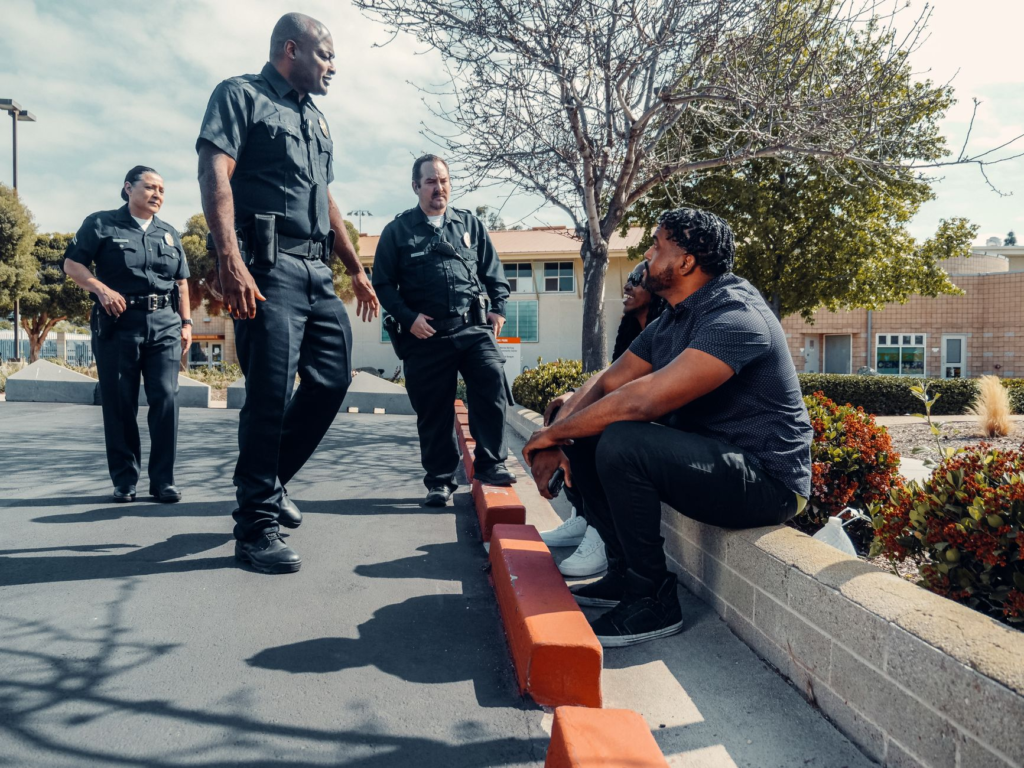
Steps to Enhance PA Crime Stoppers and Police Collaboration
Training and Resources for PA Crime Stoppers Law Enforcement
Effective collaboration between PA Crime Stoppers and law enforcement agencies hinges on continuous training and resource sharing. To foster this partnership, law enforcement can implement specialized training programs focused on the best practices for utilizing anonymous tips. For instance, workshops could cover topics such as managing leads from tips, integrating technology for better communication, and understanding the legal implications of anonymity.
Additionally, providing law enforcement agencies with access to resources such as tip management software can significantly streamline the process of receiving and investigating reports. Establishing a centralized database for tracking tips can enhance accountability and improve crime solving efficiency. Incorporating feedback mechanisms where officers can share their experiences and suggestions can also help refine these processes over time.
Promoting Community Involvement in PA Crime Stoppers Law Enforcement Initiatives
Engaging the community is crucial for strengthening police collaboration and enhancing the effectiveness of PA Crime Stoppers. Law enforcement agencies should prioritize community policing initiatives that actively involve residents in crime prevention strategies. Organizing community forums where citizens can voice their concerns and share insights will promote transparency and trust between the police and the public.
Moreover, partnerships with local businesses can facilitate the promotion of crime tip hotlines. Distributing flyers and posters that highlight the role of PA Crime Stoppers in solving local crimes can encourage community members to participate. Integrating educational programs in schools to inform youth about the importance of reporting suspicious activities can further bolster community involvement.
These actionable steps not only enhance the collaboration between PA Crime Stoppers and law enforcement but also empower citizens to take an active role in creating safer neighborhoods. By fostering a culture of partnership and open communication, both entities can work together to achieve their common goal of crime reduction.

Conclusion: Strengthening Community Safety Together
The collaboration between PA Crime Stoppers law enforcement and local police departments plays a pivotal role in enhancing community safety. By fostering a relationship built on trust and communication, these partnerships not only improve crime solving but also empower citizens to take an active role in their neighborhoods. The framework established by PA Crime Stoppers allows for a two-way dialogue between law enforcement and the community, creating a safer environment for all residents.
Community policing initiatives are at the heart of this collaboration. They encourage officers to engage directly with the public, promoting transparency and accessibility. Through these efforts, police can gather valuable insights from community members, who often possess information critical to solving crimes. This grassroots approach helps transform neighborhoods into safer spaces, where residents feel empowered to report suspicious activities without fear of retaliation.
Moreover, the statistics speak volumes. Areas with active community policing strategies report lower crime rates and increased public confidence in law enforcement. The PA Crime Stoppers law enforcement model exemplifies this approach, demonstrating how effective communication and collaboration can lead to tangible results. For communities to thrive, it is essential that residents and law enforcement work hand in hand, leveraging each other’s strengths to address crime effectively.
Ultimately, enhancing public safety requires collective action. By supporting initiatives like PA Crime Stoppers, individuals can contribute to a culture of safety, where every citizen plays a part in crime solving. Let us continue to strengthen these partnerships, ensuring that our communities remain resilient and secure.

The collaboration between PA Crime Stoppers and law enforcement agencies significantly enhances community policing efforts across Pennsylvania. By leveraging the power of anonymous tips, local police departments can engage with citizens more effectively, fostering trust and encouraging active participation in crime solving. This partnership not only empowers the community but also amplifies the resources available to law enforcement, leading to successful resolutions of cases that might otherwise go unsolved.
As communities continue to face challenges related to crime, the role of PA Crime Stoppers law enforcement becomes even more critical. Citizens are encouraged to take an active role in their safety by reporting suspicious activities or providing tips. Engaging with local Crime Stoppers programs can lead to meaningful impacts on crime rates and overall community well-being. To learn more about how you can contribute to crime solving in your area, consider reaching out to your local Crime Stoppers organization for further information on how to get involved.
“`html
What is PA Crime Stoppers law enforcement collaboration?
PA Crime Stoppers law enforcement collaboration involves a partnership between community members and law enforcement agencies to combat crime. This initiative encourages citizens to report tips anonymously regarding criminal activity, which law enforcement can then investigate. The collaboration aims to enhance public safety and facilitate the resolution of ongoing investigations by leveraging community insights and information.
How does police collaboration with PA Crime Stoppers work?
Police collaboration with PA Crime Stoppers works by establishing a communication channel where community members can submit tips about crimes. When a tip is received, law enforcement evaluates the information and, if actionable, initiates an investigation. The collaboration allows police to gain valuable insights from the community, which can lead to quicker resolutions and arrests, ultimately enhancing public safety.
What role does community policing play in crime solving?
Community policing plays a vital role in crime solving by fostering trust and cooperation between law enforcement and community members. By actively engaging with residents, officers can build relationships, encourage dialogue, and gain local insights into crime trends. This collaborative approach enhances the effectiveness of investigations and promotes a safer environment, as community members feel empowered to report suspicious activities.
What are some success stories of PA Crime Stoppers and law enforcement?
Success stories of PA Crime Stoppers and law enforcement include numerous cases where anonymous tips have led to the capture of fugitives and the resolution of homicides. For instance, tips received through the program have directly resulted in arrests that solved cold cases, demonstrating the effectiveness of community engagement in crime fighting efforts and how collaborative approaches can yield significant results.
What challenges do PA Crime Stoppers face in collaboration?
PA Crime Stoppers faces several challenges in collaboration, including maintaining the anonymity of tipsters while ensuring the quality of information received. Additionally, some community members may be hesitant to engage due to fear of retaliation or mistrust of law enforcement. Overcoming these barriers requires ongoing community outreach and education to build trust and encourage active participation in crime solving.
How can communities get involved with PA Crime Stoppers?
Communities can get involved with PA Crime Stoppers by participating in local events, spreading awareness about the program, and submitting tips when they have information about criminal activities. Residents can also volunteer to help with fundraising efforts or educational initiatives aimed at informing the public about the importance of reporting suspicious behavior and supporting law enforcement efforts.
“`