
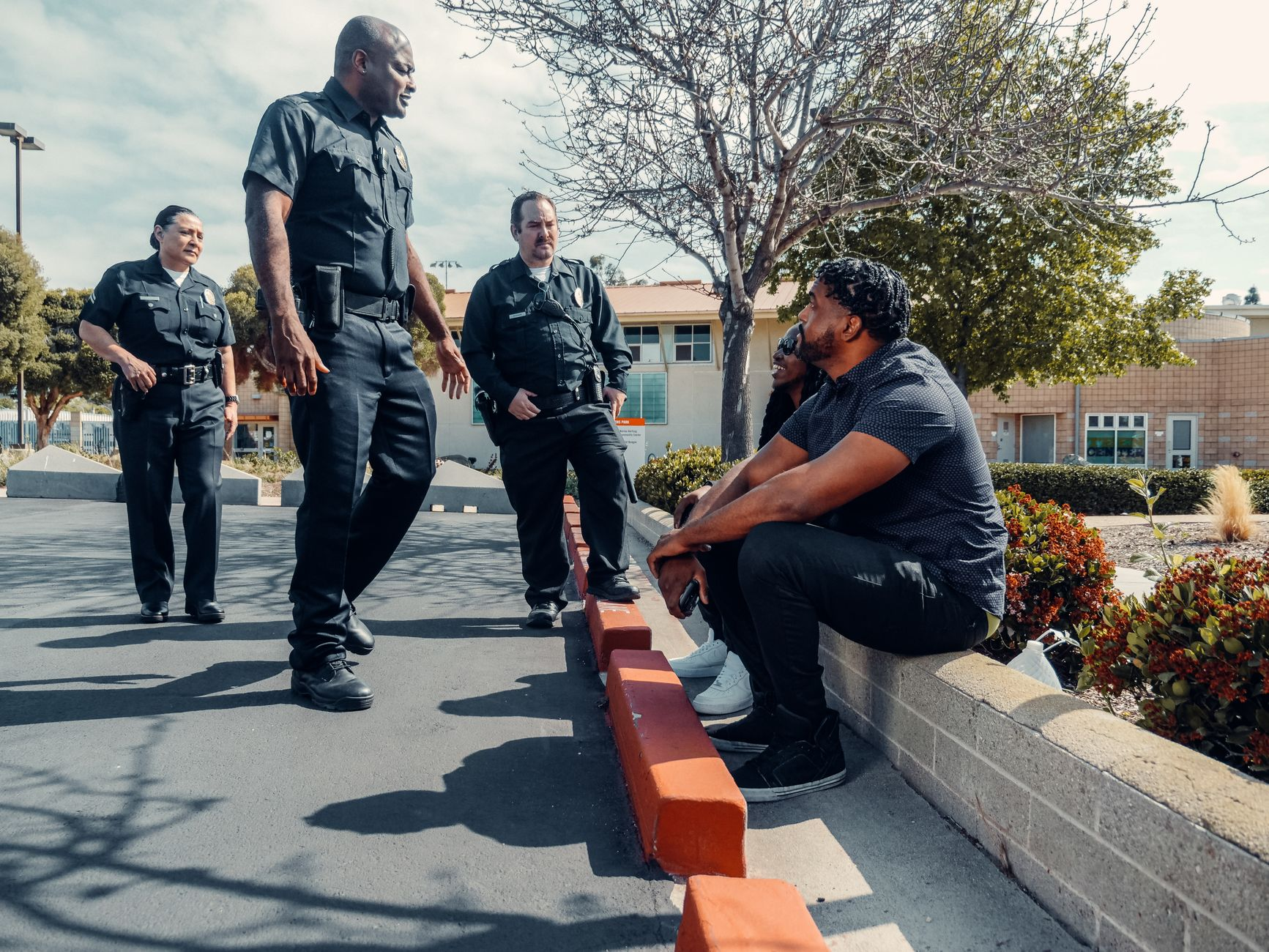
Community involvement crime stoppers plays a crucial role in enhancing public safety and fostering a sense of belonging among residents. Crime Stoppers programs rely on the active participation of community members to effectively combat crime and promote crime prevention initiatives. This article delves into the significance of community involvement in Crime Stoppers, outlining its benefits, such as increased trust between law enforcement and citizens, and the sharing of vital information that can lead to crime resolution. We will explore ways to foster community engagement, highlighting effective strategies to elevate participation in local safety efforts. A case study on PA Crime Stoppers will illustrate the positive impacts of such programs on crime rates and community cohesion. Additionally, we will address the challenges these programs face in garnering community support and outline potential solutions. The discussion will culminate in a vision for the future, emphasizing the need for continued community involvement in Crime Stoppers programs to bolster community safety programs and ensure lasting crime prevention efforts.
Understanding Community Involvement in Crime Stoppers
What Are Crime Stoppers Programs?
Crime Stoppers programs are community-oriented initiatives designed to encourage citizens to report crimes anonymously. Established in the 1970s, these programs aim to reduce crime rates and foster safer environments by collaborating closely with law enforcement agencies. By providing a secure platform for individuals to share information about criminal activities, Crime Stoppers helps to enhance public safety and supports ongoing crime prevention efforts. Each program operates independently, with local boards adapting strategies to meet the specific needs of their communities.
The Role of Community Involvement in Crime Stoppers
Community involvement in Crime Stoppers is crucial for its success. When citizens actively participate, they form a vital partnership with law enforcement, which can lead to more effective problem-solving and crime-solving initiatives. According to a report by the Crime Stoppers USA, programs with strong community engagement see a significant increase in the number of tips received, leading to higher arrest rates and successful resolutions of cases.
For example, the PA Crime Stoppers program reported that community participation resulted in a 30% increase in actionable tips over a two-year period. This demonstrates how community involvement not only strengthens Crime Stoppers programs but also enhances overall community safety programs.
By fostering a culture of trust and cooperation, citizens feel empowered to take an active role in their neighborhoods. Community meetings, outreach events, and educational campaigns serve as platforms to raise awareness about local crime issues and encourage proactive involvement. These initiatives have proven effective in not only reducing crime rates but also building a sense of community ownership and responsibility.

the partnership between citizens and law enforcement through Crime Stoppers programs has a profound impact on crime prevention and community safety. Strengthening this collaboration is essential for creating safer environments where individuals feel secure and empowered to act against crime.
The Benefits of Community Involvement in Crime Stoppers Programs
Enhancing Crime Prevention Efforts
Community involvement in Crime Stoppers programs plays a pivotal role in enhancing crime prevention strategies. When local residents actively participate, they help identify issues specific to their neighborhoods, allowing law enforcement to deploy resources more effectively. Studies indicate that areas with strong community engagement experience lower crime rates and quicker resolutions to criminal activities. For instance, in regions where community safety programs have been implemented, crime rates have reportedly dropped significantly. This collaborative approach fosters an environment of vigilance and accountability, essential for deterring criminal behavior.
Building Trust Between Law Enforcement and Communities through Community Involvement in Crime Stoppers
Another significant benefit of community involvement in Crime Stoppers initiatives is the trust it builds between law enforcement agencies and the communities they serve. When citizens see their input valued and acted upon, it promotes a sense of partnership. This relationship is crucial, especially in areas that may historically have had strained interactions with police. Programs like PA Crime Stoppers exemplify this trust-building process, encouraging residents to report suspicious activities anonymously. By fostering open communication channels, communities can work collaboratively with law enforcement, leading to more effective crime prevention and enhanced safety for all.
Active participation in these programs not only empowers citizens but also creates a collective responsibility for crime prevention. When communities unite to support initiatives like Crime Stoppers, they lay the groundwork for a safer environment, demonstrating the profound impact of community involvement in crime solving.
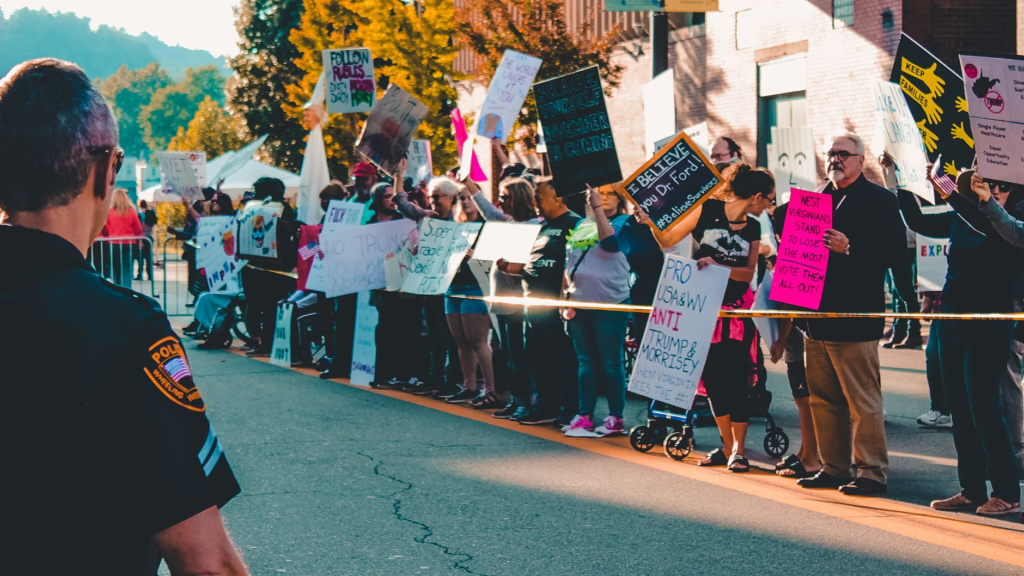
How to Foster Community Involvement in Crime Stoppers
Engaging Local Residents in Community Involvement Crime Stoppers Initiatives
Fostering community involvement in Crime Stoppers programs requires a multifaceted approach that actively engages local residents. One effective strategy is to organize community meetings where residents can voice their concerns and discuss crime trends in their neighborhoods. Local governments can facilitate these meetings by collaborating with law enforcement to provide updates on crime statistics and the impact of community safety programs.
Another actionable method is to promote the use of social media platforms to share success stories, crime prevention tips, and upcoming events. Creating dedicated hashtags can encourage community participation and make it easier for residents to share information. Moreover, involving young people through youth ambassador programs can harness their energy and creativity in spreading awareness about Crime Stoppers initiatives.
Collaborating with Local Organizations
Collaboration with schools, businesses, and nonprofits is crucial for enhancing community participation in Crime Stoppers. Schools can integrate crime prevention education into their curricula, fostering a sense of responsibility among students. Programs like PA Crime Stoppers can partner with local businesses to sponsor events that promote community safety, such as safety fairs or workshops.
Nonprofit organizations can also play a significant role by providing resources and volunteers for outreach efforts. For instance, organizing community clean-up days can not only improve neighborhood aesthetics but also build camaraderie among residents, making them more likely to engage in reporting suspicious activity. Additionally, offering incentives for businesses that support Crime Stoppers initiatives can further strengthen these partnerships.
By implementing these strategies, communities can enhance their involvement in Crime Stoppers programs, creating safer environments through collective action. 
Case Study: PA Crime Stoppers and Its Impact
Success Stories from Pennsylvania
PA Crime Stoppers has demonstrated the power of community involvement crime stoppers in enhancing public safety and reducing crime across various regions. One notable success story is the collaboration with local law enforcement in Philadelphia, where a community tip line was established. This initiative encouraged residents to report suspicious activities, leading to a 25% decrease in drug-related crimes within a year. The program not only empowered residents but also fostered trust between the police and the community, creating a more proactive approach toward crime prevention.
Another inspiring example comes from the Pittsburgh area, where PA Crime Stoppers organized a series of workshops aimed at educating community members about crime prevention strategies. As a result of these workshops, there was a significant increase in citizen reports of vandalism and theft, which helped law enforcement address these issues more effectively. The program highlighted the importance of community safety programs and demonstrated how education and awareness can lead to tangible results.

Lessons Learned for Other Regions on Community Involvement Crime Stoppers
The success of PA Crime Stoppers offers valuable insights for other regions looking to enhance their crime prevention efforts. Firstly, establishing clear communication channels between law enforcement and the community is crucial. Programs that actively solicit input and feedback from residents tend to foster a sense of ownership and responsibility towards community safety.
Secondly, tailored educational initiatives can help demystify the crime reporting process. By providing workshops and informational sessions, communities can build trust and encourage participation in crime prevention efforts. Finally, leveraging technology, such as mobile apps for anonymous reporting, can greatly enhance community involvement, making it easier for citizens to contribute to safety initiatives.
The lessons learned from PA Crime Stoppers underscore the impact of community involvement in crime prevention and how localized efforts can yield significant benefits. As other regions explore similar strategies, they may find inspiration in Pennsylvania’s proactive approach to community engagement.
Challenges to Community Involvement in Crime Stoppers
While community involvement in Crime Stoppers programs is essential for effective crime prevention, several challenges can hinder participation. Understanding and addressing these barriers can significantly enhance community safety programs and foster a more engaged public.
Overcoming Apathy and Distrust
One of the most significant obstacles to community involvement in Crime Stoppers is the pervasive distrust of law enforcement. Many community members may feel that police do not represent their interests or may fear retaliation for reporting crimes. This distrust can be particularly pronounced in marginalized communities, where historical tensions with law enforcement influence perceptions.
To overcome this challenge, Crime Stoppers programs can actively engage with community leaders and organizations to build trust. Initiatives that include community forums, outreach events, and partnerships with local non-profits can create a more open dialogue between law enforcement and residents. Additionally, transparency in how tips are handled and the outcomes of reported crimes can reassure community members that their involvement is both safe and valued. Programs like PA Crime Stoppers often incorporate such strategies to foster trust and promote active participation.
Addressing Cultural Barriers to Community Involvement in Crime Stoppers
Cultural differences can also present a challenge to community involvement in Crime Stoppers. Communities with diverse backgrounds may have different views on crime, policing, and the role of informants. Some cultures may prioritize family reputation and privacy, making residents hesitant to report crimes.
To address these cultural barriers, Crime Stoppers programs should work to educate communities about the importance of reporting crimes for overall safety and well-being. Tailoring outreach efforts to reflect cultural sensitivities and employing multilingual resources can help bridge gaps. Collaborating with cultural organizations can also provide valuable insights into the community’s unique needs and perspectives, enhancing the effectiveness of crime prevention efforts.
Improving community involvement in Crime Stoppers is crucial for reducing crime rates and enhancing public safety. By tackling distrust and cultural barriers, programs can create a more inclusive atmosphere that encourages active participation from all community members.
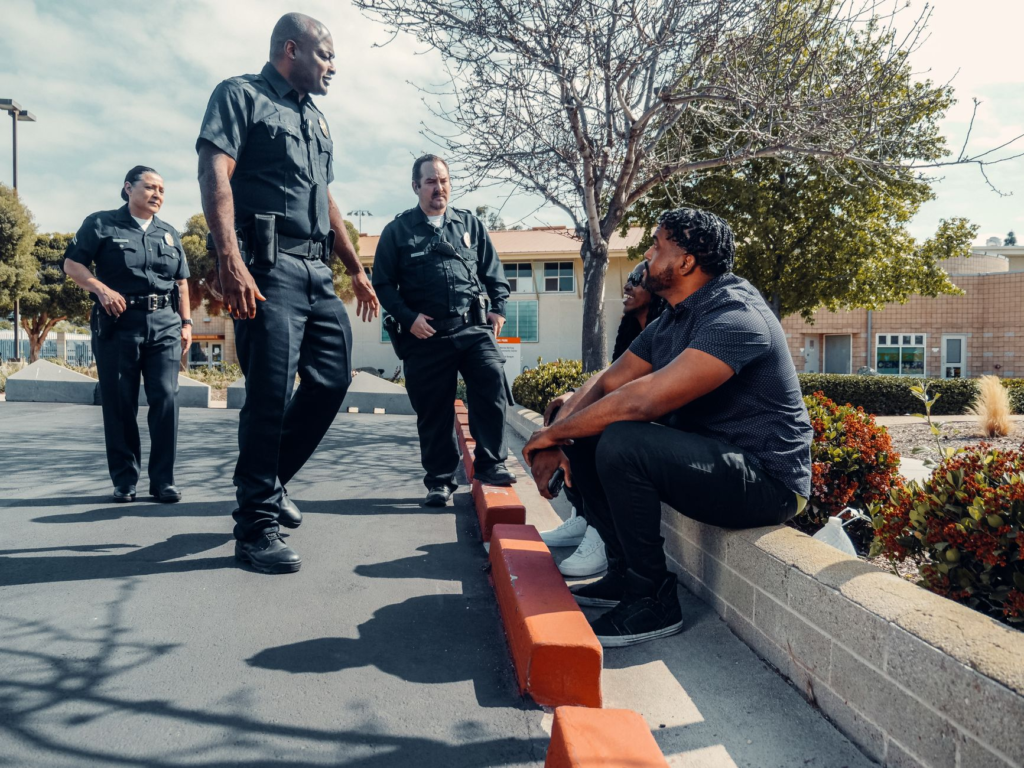
Conclusion: The Future of Community Involvement in Crime Stoppers Programs
The Potential for Positive Change through Community Involvement in Crime Stoppers
Community involvement in Crime Stoppers programs is essential for fostering a safer environment and enhancing the effectiveness of crime prevention efforts. As evidenced by various studies, engaged communities are more likely to report suspicious activities, resulting in a significant reduction in crime rates. Programs like PA Crime Stoppers highlight the impact that grassroots initiatives can have when locals unite against crime. Not only do these efforts empower citizens, but they also create a sense of ownership and responsibility towards community safety.

Encouraging Ongoing Engagement for Lasting Impact
To ensure the long-term success of community involvement in Crime Stoppers programs, it is crucial to encourage ongoing engagement. This can be achieved through regular community events, workshops, and awareness campaigns that highlight the importance of participation in community safety programs. Establishing partnerships with schools, local businesses, and law enforcement can foster a collaborative spirit that drives continuous involvement. By integrating community feedback and adapting strategies based on local needs, Crime Stoppers programs can remain relevant and effective in addressing crime prevention challenges.
Ultimately, the future of Crime Stoppers relies on the collective effort of community members. By fostering a culture of active participation and mutual support, we can create safer neighborhoods and empower individuals to take a stand against crime. Embracing community involvement in Crime Stoppers not only enhances crime prevention efforts but also strengthens the fabric of our communities, ensuring a brighter future for all.
Community involvement in Crime Stoppers initiatives is crucial for fostering safer neighborhoods and enhancing the effectiveness of crime prevention efforts. By actively participating in community safety programs, residents not only contribute valuable information to law enforcement but also help build trust and collaboration among various stakeholders. Programs like PA Crime Stoppers exemplify how community engagement can lead to successful crime resolution and deterrence.
As individuals and organizations recognize the power of collective action, they can significantly impact their local environments. To get involved, consider reaching out to your local Crime Stoppers chapter or participating in community safety programs. Your contribution can help create a safer community, deter criminal activity, and promote a culture of vigilance and responsibility.
“`html
How does community involvement help Crime Stoppers?
Community involvement is crucial for the success of Crime Stoppers programs. It fosters trust between residents and law enforcement, encouraging individuals to report suspicious activities without fear of retaliation. When community members actively participate, they can share valuable information that leads to crime prevention and resolution. This collaboration enhances public safety and builds a stronger, more cohesive neighborhood where everyone feels responsible for maintaining security.
What are the benefits of community safety programs?
Community safety programs, including Crime Stoppers, provide numerous benefits. They promote awareness about crime trends and safety practices, empowering residents with knowledge. These programs also facilitate partnerships between the community and local law enforcement, enhancing communication and response to crime. Ultimately, they contribute to lower crime rates, improved community morale, and a stronger sense of belonging among residents, making neighborhoods safer for everyone.
How can I get involved with Crime Stoppers in my area?
Getting involved with Crime Stoppers in your area is straightforward. Start by visiting the official Crime Stoppers website for your locality, where you can find contact information and upcoming events. Many programs welcome volunteers to help with outreach efforts, fundraising, or community events. You can also participate by anonymously reporting tips about criminal activities, which is a vital aspect of community involvement in Crime Stoppers initiatives.
What role does local law enforcement play in Crime Stoppers?
Local law enforcement plays a pivotal role in Crime Stoppers programs by acting as the bridge between the community and the justice system. They collaborate with Crime Stoppers to investigate tips received from the public, ensuring that all information is utilized effectively. Law enforcement officials also participate in community outreach, educating residents about crime prevention and encouraging them to engage with Crime Stoppers, thereby strengthening the community’s overall safety efforts.
Are there successful examples of community involvement in crime prevention?
Yes, there are numerous successful examples of community involvement in crime prevention through programs like Crime Stoppers. For instance, many neighborhoods have seen significant reductions in crime rates after initiating community watch programs and engaging residents in safety initiatives. Success stories often highlight how anonymous tips have led to arrests and the resolution of cases, demonstrating the powerful impact of collaboration between the community and law enforcement.
How does PA Crime Stoppers engage the community?
PA Crime Stoppers engages the community through various initiatives, including educational programs, community events, and social media outreach. They organize workshops and seminars to raise awareness about crime prevention while encouraging residents to report suspicious activities. By involving local schools, businesses, and civic organizations, PA Crime Stoppers fosters a sense of collective responsibility, empowering communities to actively participate in crime prevention efforts and report tips anonymously.
“`