
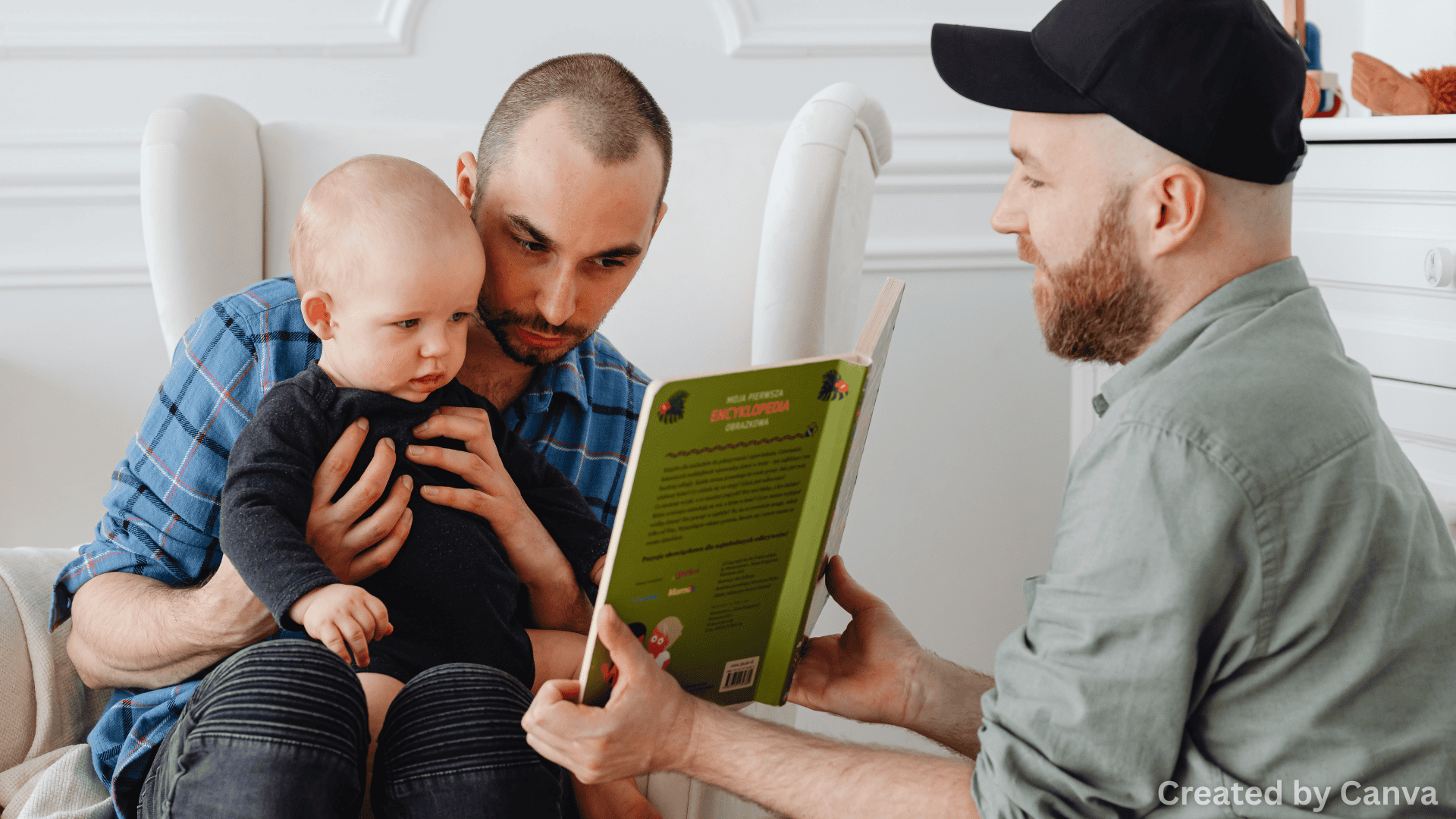
It is very important for parents and caregivers to teach kids about safety. Families can help their kids learn how to safely interact with strangers by knowing the Pennsylvania guidelines for child safety. Kids can learn to make safer choices without being afraid by focusing on awareness, personal boundaries, and useful strategies.
Making Kids Aware
The first step in teaching kids how to stay safe around strangers is to make them aware of their surroundings. Kids need to know that strangers are people they don’t know well and that some interactions with them could be dangerous. Parents can help their kids figure out what situations might be dangerous by talking to them, telling them stories, or playing pretend games that are appropriate for their age. When you tell kids to speak up if something doesn’t feel right, you help them learn to trust their gut feelings.

Teaching People About Their Limits
It’s just as important to teach people about their own personal space. Kids should know that their bodies are theirs and that no one has the right to touch them in ways that make them feel bad. Kids can protect themselves by saying no, walking away, or asking a trusted adult for help. Reinforcing these limits at home and in social situations helps kids learn how to behave safely.
Realistic Safety Tips
Lessons about how to stay safe around strangers are more useful when they include practical tips. Kids should remember their home address, phone numbers, and emergency contacts. Setting clear rules about not going anywhere with strangers or accepting gifts or rides without permission from a parent can help keep kids safe. Doing these things in drills or with supervision helps you feel more confident and ready.

Parents and caregivers should also show safe behaviors, like being aware of their surroundings and double-checking information before trusting others. When kids make safe choices, giving them positive feedback makes them more likely to remember these lessons.
Frequently Asked Questions
When should kids learn how to stay safe around strangers?
Around preschool age, kids can start learning the basics. As they get older, the lessons get more in-depth.
How can kids learn to set personal limits?
Children learn about and enforce boundaries by role-playing, setting limits on physical contact, and talking to adults about how comfortable they are.
Should parents talk about “stranger danger” in a way that scares kids?
No. Fear shouldn’t be the main focus of lessons.
How can families make sure their kids are safe?
Talking about experiences, doing drills, and having open communication about them all help people remember to be safe.
Who can kids talk to if they feel unsafe?
For help, go to adults you trust, like parents, teachers, relatives, or police officers.
Featured Image
Images are by Canva.com