
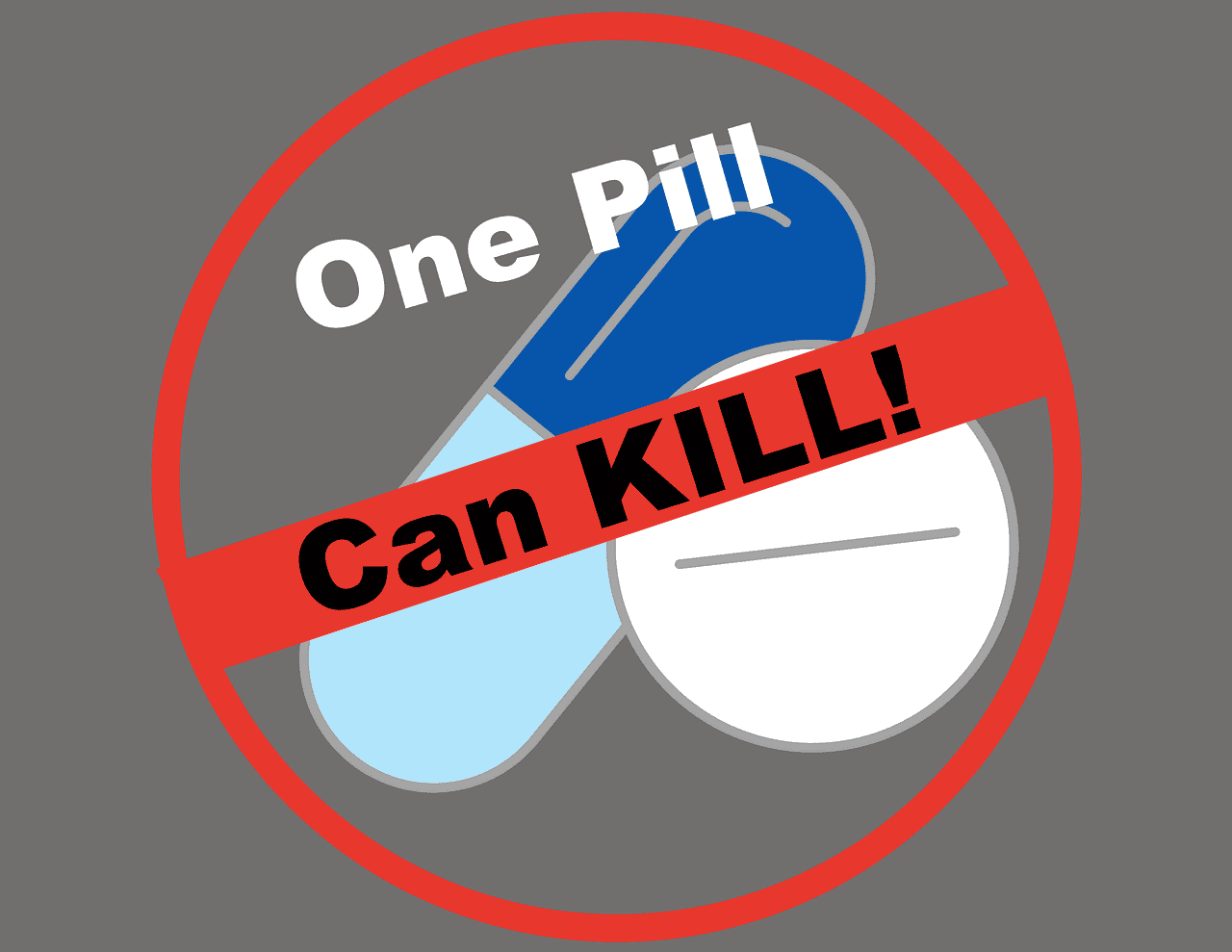
Fentanyl, a powerful synthetic opioid, is a major cause of the ongoing opioid crisis in Pennsylvania. It is up to 100 times stronger than morphine, so even a little bit can be very dangerous. People often mix fentanyl with heroin or fake prescription pills, which makes it more likely that they will accidentally overdose because they don’t know it’s in the drugs they take. This deadly drug is responsible for a lot of overdose deaths in the state, which makes the opioid epidemic even worse.
Being Aware of the Dangers of Fentanyl
Fentanyl is very dangerous because it is so strong. A small amount can kill you if you take too much. People who use fentanyl often don’t know they’re taking it because it’s often made and sold illegally. Mixing drugs with other drugs makes the risk even higher, especially for people who think they are taking less harmful drugs. Fentanyl-related deaths have gone up, which has made it harder for Pennsylvania’s public health and emergency response systems to do their jobs.

How to Keep Your Community Safe
It is very important to know about fentanyl PA in order to stop the rise in overdose deaths. People in communities need to know about the dangers of fentanyl and the signs that someone has taken too much of it, such as trouble breathing, confusion, and not being able to respond. It is very important to have naloxone (Narcan) on hand, as it can reverse an overdose on opioids. It can save lives in an emergency. Communities can help keep people safe from the terrible effects of fentanyl by spreading the word and encouraging people to take steps to avoid it.
Questions and Answers
Q: What is fentanyl?
A: Fentanyl is a strong synthetic opioid that is often mixed with other drugs, which makes it more likely that someone will overdose.
Q: How does fentanyl make the opioid crisis worse?
A: Fentanyl is a big part of the rise in overdose deaths because it is often found in illegal drugs, which makes them more dangerous.
Q: How can communities keep fentanyl out of their lives?
A: To stop deaths from fentanyl, communities can raise awareness, teach people how to spot an overdose, and make it easier for people to get naloxone.
Featured Image by M. Harris from Pixabay
Images are by Canva.com or Pixabay.com