
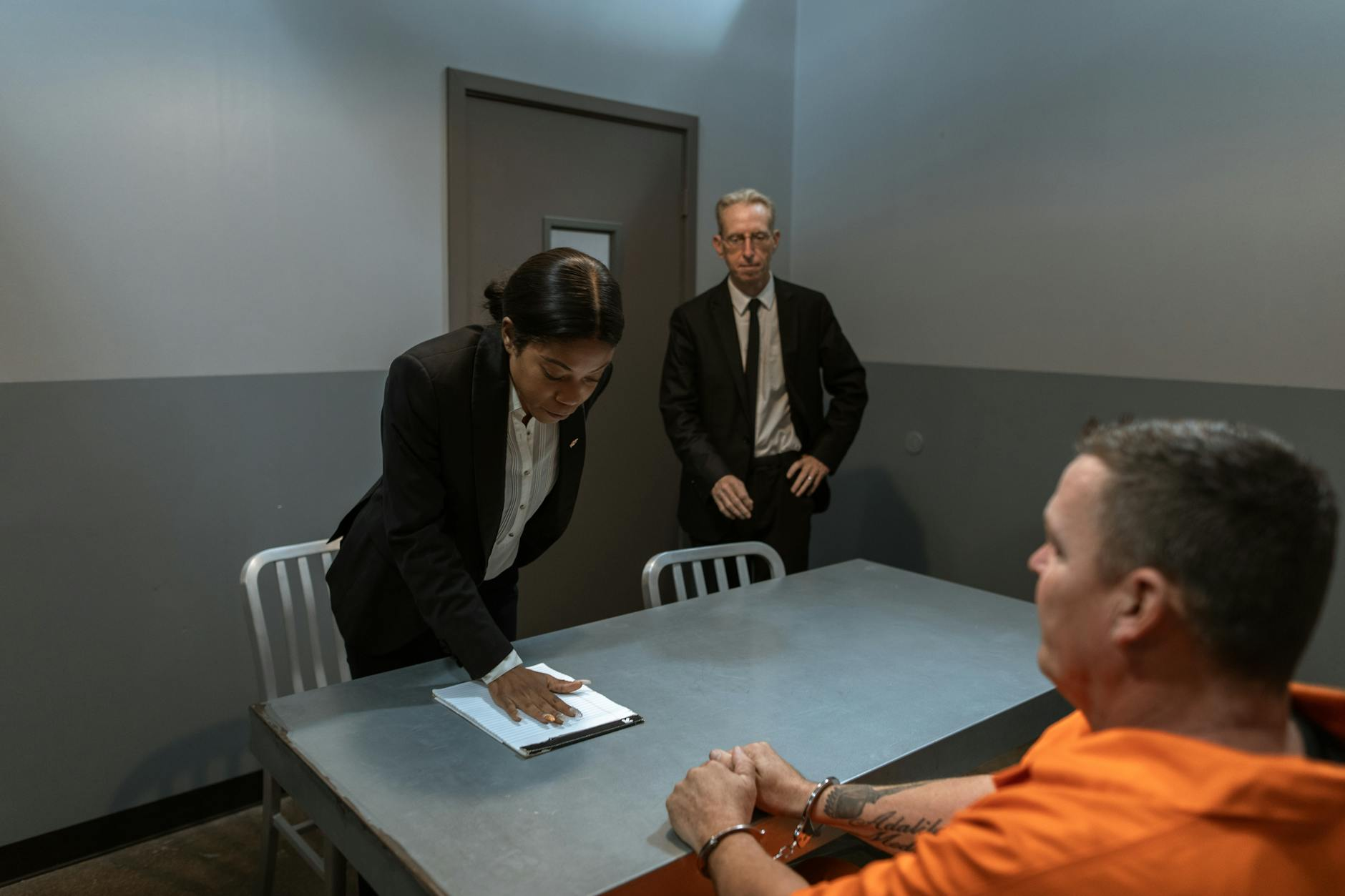
The challenges for witnesses Pennsylvania face can be daunting, often impacting their willingness and ability to provide testimony in legal proceedings. From the pervasive threat of witness intimidation to navigating complex court appearance issues, witnesses must navigate a landscape fraught with obstacles. This article delves into the specific issues confronting witnesses in Pennsylvania, including the serious concern of witness intimidation, which can arise from both defendants and outside parties. We will explore how court appearance issues can complicate the legal process, and consider the psychological impact on witnesses, highlighting the emotional and mental health challenges they often endure. Moreover, we will discuss actionable steps that witnesses can take to navigate these challenges effectively. By understanding these key issues, witnesses can better prepare themselves to contribute to the judicial process, ultimately empowering their role in seeking justice in Pennsylvania.
Understanding the Challenges for Witnesses in Pennsylvania
Overview of Witness Roles in Pennsylvania
Witnesses play a pivotal role in the Pennsylvania legal system, contributing essential information that can influence the outcome of a case. Their testimonies can help clarify facts, establish timelines, and provide crucial insights into events. However, the challenges for witnesses in Pennsylvania are significant, often deterring individuals from coming forward or fully participating in legal proceedings.
Importance of Witness Testimonies
Witness testimonies are vital for ensuring justice is served. They can make the difference between a conviction and an acquittal, impacting not only the defendant but also the victims and their families. Unfortunately, many witnesses face various challenges, such as witness intimidation from those who may feel threatened by their cooperation. This can create a hostile environment, ultimately discouraging witnesses from testifying or leading to recantation of their statements.
Additionally, court appearance issues can pose significant barriers. Many witnesses may struggle with scheduling conflicts, transportation issues, or even fear of the courtroom environment itself. These factors can result in missed testimonies, which can jeopardize the integrity of the judicial process.
Furthermore, the psychological impact on witnesses should not be underestimated. The stress of recalling traumatic events and the pressure to perform during cross-examinations can lead to anxiety and emotional distress. This psychological burden can deter individuals from participating in the legal process, thus exacerbating the existing challenges for witnesses in Pennsylvania.
Addressing these challenges is paramount for a fair judicial system. Legal professionals, law enforcement, and community organizations must work collaboratively to support witnesses, ensuring their voices are heard and protected. By recognizing and tackling these obstacles, we can foster an environment where witnesses feel safe and empowered to testify.
Witness Intimidation: A Serious Concern for Pennsylvania Testifiers
Witness intimidation is a significant issue in Pennsylvania, posing serious challenges for witnesses Pennsylvania face when they are called to testify. This form of intimidation can manifest in various ways, from threats and harassment to coercion aimed at influencing a witness’s testimony. Reports indicate that a substantial number of witnesses experience intimidation, which can deter individuals from coming forward or presenting truthful testimony in court. The psychological impact on witnesses can be profound, leading to increased anxiety, fear for personal safety, and reluctance to engage with the legal system.
Forms of Witness Intimidation
Witness intimidation can take many forms, including:
- Direct threats of violence against the witness or their family.
- Harassment through persistent phone calls or messages.
- Coercion, including offers of money or other incentives to remain silent.
- Public shaming or social isolation in the community.
These tactics can severely impact a witness’s ability to provide reliable testimony, complicating court appearance issues and undermining the integrity of the judicial process.

Legal Protections Against Intimidation in Pennsylvania
To combat the issue of witness intimidation, Pennsylvania has implemented several legal protections. The state has laws that specifically address intimidation of witnesses, making it a criminal offense. Victims of intimidation can report incidents to law enforcement, who are obligated to investigate these claims thoroughly. Additionally, the courts may offer protective measures, such as allowing witnesses to testify via video conferencing or providing security during court appearances to alleviate fears.
Potential witnesses should also be aware of their rights and the resources available to them. Organizations such as the Pennsylvania Supreme Court provide information on how to report intimidation and seek help. By understanding the legal framework designed to protect them, witnesses can better navigate the challenges for witnesses Pennsylvania faces during legal proceedings and can feel more secure in their roles within the justice system.
Addressing witness intimidation is crucial for maintaining the integrity of the legal process. With the right knowledge and resources, witnesses can overcome these challenges and contribute to a fair judicial process.
Court Appearance Issues: Navigating the Legal System
Witnesses play a crucial role in the judicial process, yet they often face significant court appearance issues that complicate their participation in legal proceedings. In Pennsylvania, these challenges for witnesses can include logistical difficulties that may prevent them from attending court, leading to potential complications for the case.
Challenges for Witnesses Pennsylvania: Scheduling and Attendance
One of the primary challenges for witnesses in Pennsylvania is managing scheduling conflicts. Many witnesses have jobs, family obligations, or other commitments that can make it difficult to attend court hearings. Additionally, the unpredictability of court schedules can exacerbate these challenges, as hearings may change on short notice. Travel logistics also pose a problem; witnesses may need to travel long distances, which can be particularly burdensome, especially for those with limited transportation options.
Furthermore, the psychological impact on witnesses should not be overlooked. The stress of being involved in a legal case, coupled with the fear of witness intimidation or potential backlash from involved parties, may deter witnesses from fulfilling their obligations. This psychological burden can lead to a reluctance to attend court, further complicating the judicial process.
Legal Consequences of Missing a Court Appearance
Failing to appear in court can have serious repercussions for witnesses. In Pennsylvania, missing a court date without a valid excuse may result in a subpoena being issued, and in some cases, this can lead to fines or even contempt of court charges. Such legal consequences can further discourage witnesses from participating, highlighting the need for support systems that ensure attendance while addressing the emotional and logistical barriers they face.
Ultimately, understanding the challenges for witnesses in Pennsylvania and addressing these issues is essential for the integrity of the legal system. Legal representatives and support organizations can play a pivotal role in helping witnesses navigate these complexities, ensuring that they can fulfill their vital roles in the pursuit of justice.
Psychological Impact on Witnesses: Emotional and Mental Health Challenges
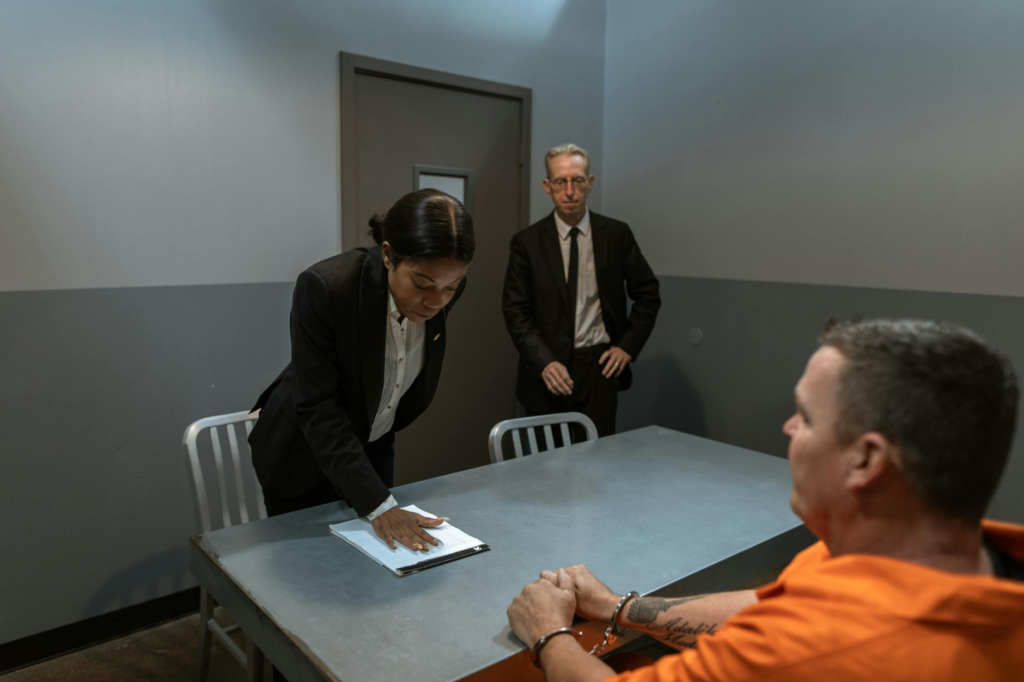
Being a witness in legal proceedings can lead to significant emotional distress and anxiety, presenting serious challenges for witnesses in Pennsylvania. The pressure of testifying, coupled with the potential for witness intimidation, can create a highly stressful environment. Witnesses often experience a range of psychological effects, including fear of retaliation, stress related to court appearance issues, and anxiety about the legal process itself.
Emotional Distress and Anxiety
Many witnesses report feelings of nervousness, fear, and uncertainty as they prepare for their court appearances. The psychological impact on witnesses can manifest in various ways, such as difficulty sleeping, heightened stress levels, and even symptoms of post-traumatic stress disorder (PTSD) in severe cases. A study published in the National Institutes of Health highlighted that witnesses often face ongoing emotional challenges long after their court involvement has concluded.
Understanding these emotional responses is crucial. Witnesses may feel isolated, unsure of how to cope with their experiences. This is where appropriate support systems become essential in mitigating the psychological impact on witnesses.
Support Systems for Witnesses Facing Challenges in Pennsylvania
Fortunately, Pennsylvania provides various resources to assist witnesses in coping with the psychological challenges they may face. Local victim support organizations, such as the Pennsylvania Commission on Crime and Delinquency, offer counseling services and emotional support tailored specifically for witnesses. Additionally, many counties have established witness assistance programs that provide information and guidance throughout the legal process.
It is vital for witnesses to seek help if they are feeling overwhelmed. Engaging with mental health professionals can provide strategies to manage anxiety and stress, ensuring that the emotional toll of being a witness does not hinder their ability to testify effectively. Utilizing these support systems can significantly alleviate the challenges for witnesses in Pennsylvania, promoting both their mental well-being and the integrity of the judicial process.

Taking Action: How Witnesses Can Navigate Their Challenges
Resources and Support for Witnesses Facing Challenges for Witnesses in Pennsylvania
Witnesses in Pennsylvania often face significant challenges, including the fear of witness intimidation, pressure to alter testimonies, and the emotional toll of participating in legal proceedings. Fortunately, various resources are available to help witnesses navigate these issues effectively.
Organizations such as the Pennsylvania Courts provide resources specifically for witnesses. These resources include information on legal rights, safety measures, and support services. Additionally, local victim assistance programs, such as the Office for Victims of Crime, can offer counseling and support groups to help witnesses deal with the psychological impact on witnesses.
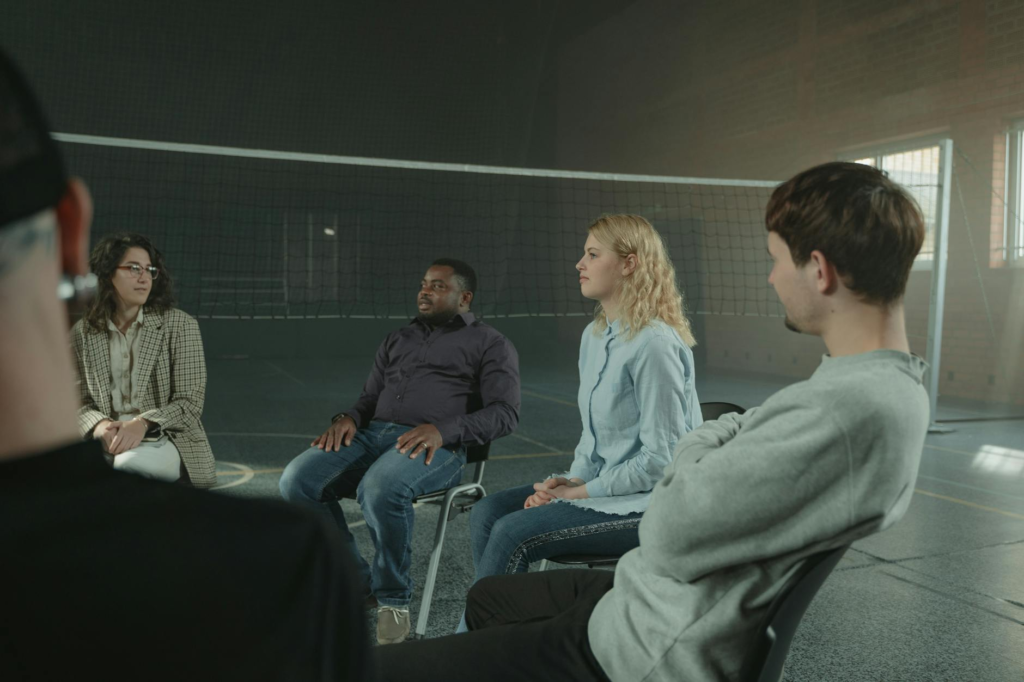
Support groups can also provide a safe space for witnesses to share their experiences and learn from others who have faced similar challenges. Engaging with these groups can be a vital step in coping with the emotional aspects of being a witness.
Legal Guidance and Advocacy for Witnesses Encountering Challenges for Witnesses Pennsylvania
Understanding the legal landscape can empower witnesses to advocate for themselves. Seeking legal advice is crucial for witnesses concerned about court appearance issues or needing clarity on their rights. The Pennsylvania Bar Association offers resources to help witnesses find legal representation or guidance tailored to their needs.
Furthermore, witnesses can contact local advocacy groups that specialize in supporting individuals in the criminal justice system. These organizations can offer tailored advice on how to handle intimidation or pressure, ensuring that witnesses feel safe and supported throughout the legal process.
By utilizing these resources and seeking legal guidance, witnesses can better navigate the complex challenges for witnesses in Pennsylvania, ensuring their voices are heard while also protecting their well-being.
Conclusion: Empowering Witnesses in Pennsylvania
Witnesses play a crucial role in the judicial system, yet they face numerous challenges for witnesses in Pennsylvania. From witness intimidation to court appearance issues, the obstacles can be daunting. The psychological impact on witnesses can also be profound, often leaving them feeling vulnerable and uncertain about their rights and responsibilities. Understanding these challenges is the first step toward empowerment.
Addressing the Challenges for Witnesses Pennsylvania
Throughout this article, we’ve explored the key issues that witnesses in Pennsylvania encounter, including the fear of retaliation and the complexities of navigating the court system. It is essential for witnesses to recognize that they are not alone and that there are resources available to support them. Legal protections exist to help mitigate the risks associated with testifying, such as laws against witness intimidation.
Witnesses should actively seek out support, whether through legal counsel, victim advocacy groups, or community resources. Understanding your rights can significantly reduce the psychological impact on witnesses and make the court experience less intimidating. Preparation is critical, and knowing what to expect during a court appearance can empower witnesses to share their experiences confidently.
- Research your rights as a witness in Pennsylvania.
- Seek legal advice to understand the protections available to you.
- Connect with local support groups for emotional assistance.
- Prepare thoroughly for your court appearance to reduce anxiety.
By taking these proactive steps, witnesses can navigate the challenges for witnesses in Pennsylvania with greater confidence and resilience. Remember, your voice is vital to the pursuit of justice.
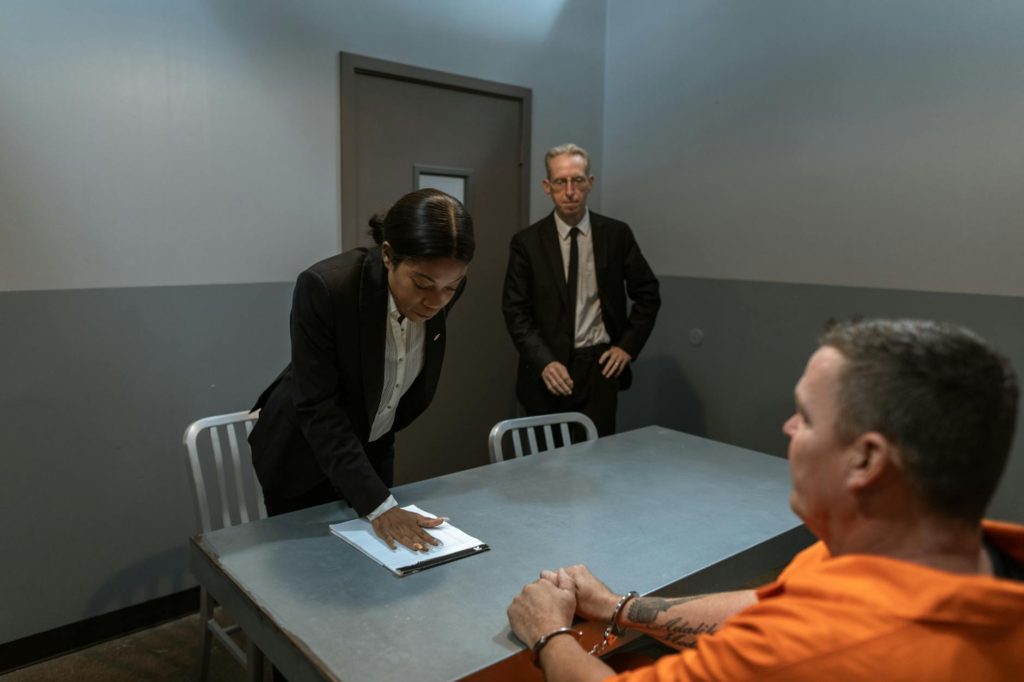
Understanding the challenges for witnesses in Pennsylvania is crucial for ensuring a fair judicial process. From court appearance issues to the psychological impact on witnesses, these hurdles can significantly affect their willingness to testify. Witness intimidation remains a pressing concern, often discouraging individuals from coming forward. Addressing these challenges is essential not only for the integrity of the legal system but also for the well-being of those who play a vital role in the pursuit of justice.
It is imperative for legal professionals, lawmakers, and community members to work collaboratively to mitigate these challenges for witnesses in Pennsylvania. By implementing protective measures and providing support resources, we can help alleviate the burdens that witnesses face. If you are a witness or know someone who might be affected, seeking legal guidance or contacting local advocacy groups can be an important next step in navigating these complex issues.
“`html
What are the main challenges for witnesses in Pennsylvania?
Witnesses in Pennsylvania face several challenges, including fear of retaliation and witness intimidation. They may also struggle with understanding legal procedures and the emotional burden of testifying. The legal system can be daunting, and witnesses often lack support, making it difficult to navigate their roles effectively. These challenges for witnesses in Pennsylvania can impact their willingness to come forward, which is crucial for the justice process.
How can witnesses protect themselves from intimidation?
Witnesses can take several steps to protect themselves from intimidation. They should report any threats to law enforcement immediately. Additionally, they can seek protective orders or consult with legal counsel about their options. Engaging with victim advocacy groups can also provide support and resources. It’s essential for witnesses to stay informed about their rights and the measures available to safeguard their well-being throughout the legal process.
What should I do if I cannot attend a court appearance?
If you cannot attend a court appearance, it is crucial to notify the court as soon as possible. You should contact the clerk of the court to explain your situation and ask about rescheduling options. In some cases, you may be required to provide documentation to support your absence. It is important to follow the court’s instructions carefully to avoid potential legal repercussions.
What psychological effects do witnesses experience?
Witnesses often experience various psychological effects, including anxiety, stress, and fear of retaliation. The pressure of testifying can lead to emotional distress, and some may struggle with feelings of guilt or doubt about their role in the case. Understanding the psychological impact on witnesses is essential for ensuring they receive appropriate support and resources during the legal process.
Are there resources available for witnesses in Pennsylvania?
Yes, there are various resources available for witnesses in Pennsylvania. Organizations like the Pennsylvania Commission on Crime and Delinquency offer support services, including legal advice and counseling. Local victim advocacy groups can also provide assistance and information about rights and protections. Connecting with these resources can help witnesses navigate the challenges they face during the legal process.
How can witnesses seek legal advice in Pennsylvania?
Witnesses in Pennsylvania can seek legal advice through various means. They may contact legal aid organizations that offer free or low-cost services. Additionally, consulting with private attorneys who specialize in criminal law can provide valuable insights. Online resources and local bar associations can also guide witnesses on finding appropriate legal counsel to address their concerns and needs.
“`