

The consequences of not testifying in Pennsylvania can be significant, affecting not just the legal proceedings but also the individuals involved. Witnesses play a crucial role in the justice system, and their testimony can shape the outcome of cases. This article will explore the various legal repercussions for witnesses who fail to appear in court, including potential penalties and the impact on the judicial process. Additionally, real-life examples will illustrate the serious consequences of not testifying in Pennsylvania, highlighting instances where the absence of a witness has altered case outcomes. For those unable to attend court, we will outline important steps to take to ensure compliance with witness obligations and mitigate any negative repercussions. Understanding these implications is essential for anyone called to testify, as even a seemingly minor failure to appear can lead to serious outcomes. Delve into this article to grasp the importance of fulfilling your legal responsibilities as a witness.
Understanding the Consequences of Not Testifying in Pennsylvania
Not testifying in a Pennsylvania court can have serious implications, both legally and personally. When a person is called as a witness, they have certain obligations to appear and provide their testimony. Understanding these obligations is essential for anyone involved in legal proceedings.
What Are Your Witness Obligations?
In Pennsylvania, witnesses have a legal duty to appear in court when summoned. This duty is not merely a suggestion; it is a requirement backed by law. When a witness fails to appear, it can disrupt the judicial process and lead to delays in trial proceedings. Witness obligations encompass not only appearing in court but also providing truthful testimony regarding what they know about the case.
Failure to comply with these obligations can result in significant consequences, including contempt of court charges. Courts take the presence and testimony of witnesses very seriously, as they play a critical role in ensuring justice is served. If someone is unable to attend, they should communicate with the court as soon as possible to minimize potential legal repercussions.
Legal Repercussions of Failing to Appear in Court
The consequences of not testifying in Pennsylvania can range from fines to more severe penalties, including jail time. If a witness fails to appear without a valid excuse, the court may issue a bench warrant for their arrest, compelling them to testify regardless of their initial reluctance. This legal mechanism underscores the importance of witness testimony in the judicial process.
Moreover, not testifying can lead to negative implications for the case itself. The absence of critical testimony may weaken the position of the party that called the witness, potentially affecting the outcome of the trial. In some situations, the court may also allow for adverse inferences against a party who fails to produce a witness, which can further jeopardize their case.
witness obligations are essential in the legal framework of Pennsylvania, and understanding the consequences of not testifying is crucial for anyone involved in a court case. It is advisable to communicate proactively with legal counsel if there are concerns about appearing in court to mitigate any adverse effects stemming from a failure to testify.

Legal Repercussions for Witnesses Who Fail to Testify
Potential Penalties for Non-Appearance and the Consequences of Not Testifying in Pennsylvania
In Pennsylvania, the legal system places significant importance on witness testimony, which is crucial for the fair administration of justice. Witnesses who fail to appear in court can face serious legal repercussions. The penalties for non-appearance can include fines, contempt of court charges, and even jail time. Under Pennsylvania law, a witness who fails to comply with a subpoena without a valid reason may be found in contempt of court, which can lead to fines up to $500 and potential imprisonment for up to six months. This underscores the importance of understanding your witness obligations and the potential consequences of not testifying in Pennsylvania.
Additionally, if a witness ignores a subpoena, the court can issue a bench warrant for their arrest. This not only disrupts legal proceedings but also places the witness in a precarious legal position that could lead to further complications, including a criminal record. Understanding these legal repercussions is vital for anyone summoned to testify.
How to Avoid Legal Consequences
To avoid the severe consequences of not testifying in Pennsylvania, witnesses should take proactive steps:
- Respond Promptly: If you receive a subpoena, respond immediately. Contact the issuing authority or court to confirm your obligation.
- Address Conflicts: If you have a scheduling conflict or valid reason for not appearing, communicate this promptly to the court. In some cases, you may be able to request a postponement.
- Seek Legal Advice: If you are unsure about your obligations or facing difficulties, consulting with an attorney can provide clarity and guidance.
- Document Everything: Keep records of any correspondence regarding your witness obligations and any actions you take to comply with the subpoena.
By taking these steps, witnesses can fulfill their obligations and avoid the dire legal repercussions associated with a failure to appear in court. Understanding the consequences of not testifying in Pennsylvania is essential for anyone involved in the legal process, ensuring that they remain compliant and protect themselves from potential penalties.
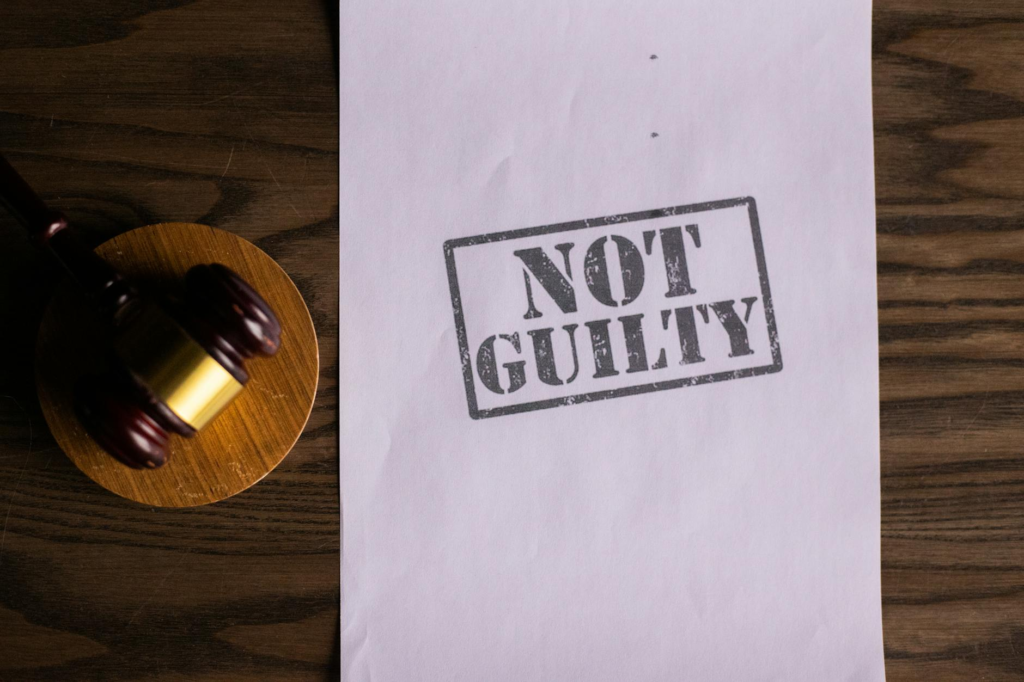
Real-Life Examples of Consequences of Not Testifying in Pennsylvania
Case Studies of Witness Non-Appearance
Witnesses play a crucial role in the judicial process, and failing to fulfill their witness obligations can lead to significant legal consequences. In Pennsylvania, there have been notable cases where individuals faced repercussions for not testifying. For instance, in 2019, a key witness in a murder trial failed to appear in court. This non-appearance not only delayed the trial but also led to a bench warrant being issued for their arrest. The court emphasized that without the testimony, the prosecution’s case was severely weakened, demonstrating the profound impact of a witness’s failure to appear in court on the judicial process.
Another example occurred in a civil case involving a personal injury claim where a critical witness did not show up. The judge ruled in favor of the defendant due to the plaintiff’s inability to provide necessary evidence. This case highlights how the consequences of not testifying in Pennsylvania can extend beyond mere legal repercussions to include the loss of potential claims or defenses.
Lessons Learned from Legal Precedents
These cases illustrate the importance of complying with witness obligations. The legal system relies heavily on testimony to establish facts and make informed decisions. Witnesses who neglect their responsibilities may face fines, legal penalties, or even criminal charges in severe cases. Furthermore, they undermine the integrity of the judicial process, which can lead to unjust outcomes.
- Always respond to subpoenas or court summons.
- If unable to attend, contact the court immediately to seek alternatives.
- Understand the potential impact of your testimony on the case.
Ultimately, the consequences of not testifying in Pennsylvania can be far-reaching, affecting both individual cases and the broader legal landscape. Witnesses must recognize their vital role and the importance of their participation in legal proceedings to uphold justice.

Steps to Take if You Are Unable to Testify
If you find yourself unable to testify in Pennsylvania, it is crucial to understand the potential consequences of not testifying Pennsylvania and to take immediate action. Failure to appear in court can lead to serious legal repercussions, including contempt of court charges. Here are key steps to help you navigate this challenging situation.
Communicating with the Court
Your first step should be to communicate with the court as soon as you realize you cannot fulfill your witness obligations. Notify the court clerk or the judge’s office about your situation, and provide a valid reason for your inability to testify. This could include health issues, personal emergencies, or other significant circumstances. In some cases, the court may provide alternative arrangements, such as rescheduling your testimony.
It is essential to document your communication. Keep a record of any emails, letters, or phone calls you make regarding your inability to testify. This documentation can be crucial if questions arise about your failure to appear in court. If you are required to submit a formal request to postpone or waive your testimony, ensure that you follow all court procedures and deadlines.
Understanding the Consequences of Not Testifying in Pennsylvania
Ignoring your obligation to testify can result in substantial legal repercussions. Pennsylvania courts take witness obligations seriously, and failure to comply can lead to penalties, including fines or even imprisonment. It is important to be proactive and communicate your situation to avoid these outcomes.
Seeking Legal Advice
Consulting with an attorney can provide clarity on your rights and options. A legal professional can help you understand the implications of not testifying and advise you on the best course of action. They can also represent you in court if necessary, ensuring that your interests are protected and that you comply with legal requirements.
Ultimately, taking these steps can help mitigate the consequences of not testifying Pennsylvania. By communicating with the court and seeking legal advice, you can navigate your obligations and minimize potential penalties.

Conclusion: Importance of Fulfilling Witness Obligations
Understanding the consequences of not testifying in Pennsylvania is crucial for anyone who may be called as a witness in a legal proceeding. The legal repercussions can be severe, ranging from fines to potential jail time, depending on the circumstances surrounding your failure to appear in court. Witness obligations are not merely guidelines; they are legal duties that help uphold the integrity of the judicial system.
Throughout this article, we’ve explored the various implications of not fulfilling these obligations, including the potential for contempt of court charges and how such actions can adversely affect ongoing cases. When witnesses do not testify, it can lead to incomplete evidence, potentially skewing the outcome of trials and undermining the pursuit of justice. This not only impacts the parties involved in the case but can also affect the broader community’s trust in the legal system.
Failure to appear in court isn’t just a personal issue; it has far-reaching consequences that can disrupt the legal process. Witnesses play a vital role in ensuring that facts are presented accurately, enabling judges and juries to make informed decisions. By complying with your witness obligations, you are contributing to a fair and just legal system.
In light of these considerations, it is imperative to recognize the importance of being a reliable witness. If you receive a subpoena, take it seriously, and seek legal advice if you have concerns about your testimony or obligations. Remember, understanding the consequences of not testifying in Pennsylvania can help you navigate the legal landscape more effectively and avoid any unintended legal pitfalls.

Understanding the consequences of not testifying in Pennsylvania is essential for anyone involved in a legal proceeding. Failing to fulfill witness obligations can lead to significant legal repercussions, including potential fines and even criminal charges in some cases. It is crucial to recognize that the court sees the testimony of witnesses as a vital component in the pursuit of justice.
If you have received a subpoena or have been called to testify, it is advisable to seek legal counsel to navigate your responsibilities effectively. Ignoring a summons or experiencing a failure to appear in court can escalate the situation, leading to additional complications. Taking proactive steps to understand your rights and duties will help ensure that you comply with the legal system while protecting your interests.
“`html
What are the legal repercussions for not testifying in Pennsylvania?
In Pennsylvania, failing to testify may result in legal repercussions, including being held in contempt of court. This can lead to fines or even jail time. If you are a subpoenaed witness and do not appear, the court may issue a bench warrant for your arrest. Understanding the consequences of not testifying in Pennsylvania is crucial for anyone involved in legal proceedings.
Can a witness be penalized for failing to appear in court?
Yes, a witness can be penalized for failing to appear in court. If you receive a subpoena and do not comply, the court may impose penalties such as fines or even jail time. It is essential to understand that your presence is often required, and ignoring a subpoena is not advisable.
What are my obligations as a witness in Pennsylvania?
As a witness in Pennsylvania, you have several obligations, including appearing in court when subpoenaed and providing truthful testimony. You must also comply with any directives from the court regarding the conduct of your testimony. Understanding your witness obligations is vital to avoid legal issues.
What should I do if I cannot testify in court?
If you cannot testify in court, it is crucial to inform the court or the attorney who issued the subpoena as soon as possible. You may need to provide a valid reason, such as illness or an emergency, and potentially request a continuance or rescheduling of your testimony.
Are there any exceptions for not testifying in Pennsylvania?
Yes, there are exceptions for not testifying in Pennsylvania. Certain privileged communications, such as those between an attorney and client or between a physician and patient, may exempt you from testifying. Additionally, if you have a valid reason, such as a serious illness, you may not be required to appear.
How can I prepare to testify as a witness in court?
To prepare for testifying as a witness in court, familiarize yourself with the case details and review any relevant documents. Practice answering potential questions and remain calm. It may also be helpful to consult with an attorney for advice on how to present your testimony effectively and confidently.
“`