

In today’s digital landscape, implementing effective data protection tips Pennsylvania businesses can no longer be an afterthought. With the increasing frequency of cyber threats and stringent Pennsylvania business laws, safeguarding your business data is crucial for maintaining customer trust and ensuring compliance. This article provides a comprehensive overview of essential strategies to enhance your business data security. Key topics include conducting regular risk assessments to identify vulnerabilities, implementing strong access controls to limit unauthorized access, and educating employees on the importance of data protection. Additionally, we will explore the necessity of using encryption for sensitive information, regularly updating software and systems, and developing a robust incident response plan. Understanding and complying with Pennsylvania business laws will also be highlighted, alongside practical tips such as utilizing cybersecurity tools and partnering with data protection experts. By following these top 10 data protection tips, Pennsylvania businesses can significantly improve their ability to protect business data against potential threats.
Key Data Protection Tips for Pennsylvania Businesses
In today’s digital landscape, protecting sensitive information is crucial for all businesses, particularly with the evolving Pennsylvania business laws. Compliance with these regulations not only safeguards your organization but also helps maintain customer trust. Understanding your obligations under these laws is the first step in implementing effective data protection strategies.
Understanding Pennsylvania Business Laws
Business owners in Pennsylvania must be aware of various laws that govern data protection, including the Pennsylvania Data Breach Notification Law. This law requires businesses to notify affected individuals in the event of a data breach. Failing to comply can result in significant legal consequences and damage to your reputation. Familiarize yourself with these laws to ensure you’re adequately prepared.
Assessing Your Business Data Security Needs with Data Protection Tips Pennsylvania
Assessing your current data security measures is essential for identifying potential vulnerabilities. Conduct regular security audits to evaluate your systems and processes. This includes reviewing access controls, encryption methods, and employee training programs. By taking these steps, you can effectively protect business data and reduce the risk of breaches. Engage with cybersecurity professionals to develop a tailored strategy that aligns with your specific business needs and complies with Pennsylvania regulations.
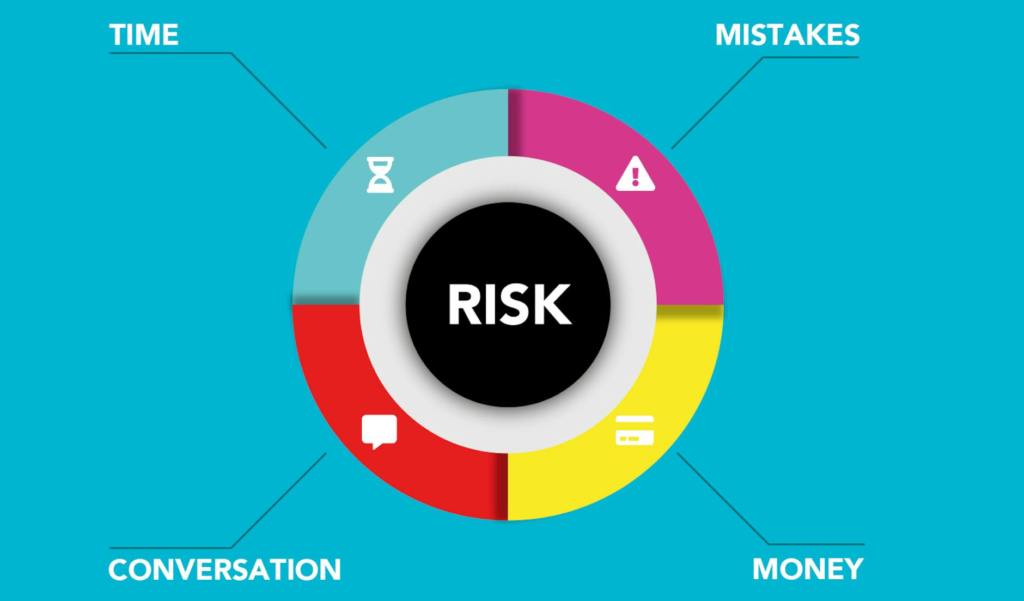
- Stay informed about Pennsylvania business laws related to data protection.
- Conduct regular data security assessments to identify vulnerabilities.
- Implement robust security measures based on the findings of your assessments.
By following these data protection tips Pennsylvania businesses should consider, you can enhance your overall business data security and ensure compliance with local laws. For further insights into creating a secure environment, Understanding Data Protection Laws in Pennsylvania.
1. Conduct Regular Risk Assessments
To ensure strong data protection tips Pennsylvania businesses can rely on, conducting regular risk assessments is crucial. These assessments help identify vulnerabilities in your business data security framework and allow you to proactively address potential threats.
Identifying Vulnerabilities
Start by evaluating your current data protection measures. Create a checklist that includes:
- Inventory of sensitive data and its storage locations
- Access controls and user permissions
- Physical and digital security measures in place
- Compliance with Pennsylvania business laws and relevant regulations
Engaging with a cybersecurity professional can provide additional insights into potential gaps in your defenses. By regularly reviewing these elements, you can maintain a clear picture of your risk landscape.
Creating a Risk Management Plan
Once vulnerabilities are identified, it’s important to create a risk management plan. Follow these steps:
- Prioritize risks based on their potential impact on your business.
- Develop strategies to mitigate these risks, such as employee training on data protection practices.
- Establish a response plan for potential data breaches, ensuring all employees are aware of their roles.
- Schedule regular reviews and updates to the risk management plan to adapt to new threats.
Regular assessments and a solid risk management plan not only help protect business data but also align your practices with Pennsylvania business laws, ensuring compliance and safeguarding your reputation.

2. Implement Strong Access Controls
To effectively protect business data, establishing strong access controls is paramount. Access control strategies ensure that only authorized personnel can access sensitive information, reducing the risk of data breaches and ensuring compliance with Pennsylvania business laws. By implementing robust authentication methods and access management, businesses can enhance their overall data protection efforts.
Data Protection Tips Pennsylvania: User Authentication Strategies
Multi-factor authentication (MFA) is a critical strategy for user authentication. MFA requires users to provide two or more verification factors to gain access to systems, significantly reducing the likelihood of unauthorized access. This may include something the user knows (like a password), something the user has (like a mobile device), or something the user is (like a fingerprint).
Role-based Access Control
Another effective method is role-based access control (RBAC), which assigns access rights based on the user’s role within the organization. By restricting access to sensitive data based on necessity, businesses can effectively minimize exposure and enhance their business data security. Regularly reviewing and updating these access controls is essential to ensure compliance and safeguard sensitive information.

By implementing these access control measures, Pennsylvania businesses can better protect business data, thereby ensuring operational integrity and compliance with relevant regulations. For more comprehensive strategies, consider exploring How to Protect Your Personal Information While Shopping Online in PA.
3. Educate Employees on Data Protection
One of the most effective data protection tips Pennsylvania businesses can implement is educating their employees about data protection. A well-informed workforce is crucial for maintaining business data security and preventing data breaches. Training programs tailored to your organization’s specific needs can equip employees with the knowledge necessary to recognize and respond to potential threats.
Training Programs for Data Protection Tips Pennsylvania Businesses
Establishing comprehensive training programs is essential for fostering a culture of data protection. Topics should include data handling practices, secure password management, and the importance of compliance with Pennsylvania business laws. Regular training sessions can help reinforce these concepts and keep employees updated on evolving best practices.
Phishing Awareness: A Key Component of Data Protection
Phishing attacks are among the most common threats faced by businesses today. Educating employees about recognizing phishing attempts is vital for protecting business data. Consider conducting simulations to help employees identify suspicious emails and links. Teach them to verify the sender’s identity and to avoid sharing sensitive information without proper safeguards. This proactive approach can significantly reduce the risk of falling victim to such attacks.

By investing in education and awareness, Pennsylvania businesses can strengthen their defenses against data breaches and enhance their overall data protection strategies.
4. Use Encryption for Sensitive Data
In today’s digital landscape, businesses must prioritize the protection of sensitive data to safeguard against breaches and comply with Pennsylvania business laws. Utilizing encryption is a key strategy to protect business data from unauthorized access. Encryption transforms readable data into an unreadable format, ensuring that even if data is intercepted, it remains secure.
Types of Encryption
There are several types of encryption that businesses can implement:
- Symmetric Encryption: This method uses a single key for both encryption and decryption, making it fast but requiring secure key management.
- Asymmetric Encryption: Utilizing a pair of keys (public and private), this method is more secure but slower, ideal for exchanging information.
- Disk Encryption: This protects data stored on hard drives, ensuring that sensitive information is secure even if the device is lost or stolen.
Implementing Encryption Solutions: Data Protection Tips Pennsylvania
To effectively implement encryption solutions, consider the following steps:
- Assess your data to determine which information requires encryption.
- Choose an encryption standard that aligns with your business needs and regulatory requirements.
- Regularly update your encryption protocols to protect against emerging threats.
By encrypting sensitive data, Pennsylvania businesses can significantly enhance their business data security and ensure compliance with relevant laws, ultimately helping to protect business data from potential threats. For more strategies on safeguarding your information, explore our additional resources.

Regularly Update Software and Systems
Maintaining up-to-date software and systems is essential for data protection, particularly for Pennsylvania businesses. Regular updates minimize vulnerabilities that cybercriminals exploit. By implementing a solid patch management strategy, organizations can significantly enhance their business data security and comply with Pennsylvania business laws.
Patch Management: A Key Component of Data Protection Tips Pennsylvania
Patch management involves the timely installation of software updates, including security patches. Here are some best practices:
- Schedule Regular Updates: Establish a routine for checking and applying updates to all software and systems.
- Automate When Possible: Utilize automation tools to streamline the update process and reduce human error.
- Test Before Deployment: Always test updates in a controlled environment to ensure they do not disrupt business operations.
Outdated Software Risks
Using outdated software exposes Pennsylvania businesses to numerous risks, including data breaches and compliance failures. According to a report by CISA, nearly 60% of breaches are linked to unpatched vulnerabilities. This statistic underscores the importance of regularly updating software to protect business data. By following these data protection tips Pennsylvania, businesses can mitigate risks and maintain a secure operational environment.

6. Backup Data Regularly
Regular data backups are essential for maintaining the integrity of your business operations. A robust backup strategy safeguards your information against data loss caused by cyberattacks, hardware failures, or natural disasters. Implementing effective data protection tips Pennsylvania businesses can utilize is crucial to ensure compliance with Pennsylvania business laws and to enhance overall business data security.

Backup Strategies
There are several strategies you can employ to backup your data effectively:
- Full Backups: Complete copies of all data at regular intervals.
- Incremental Backups: Only the data that has changed since the last backup is saved, which saves time and storage space.
- Differential Backups: Backs up all changes made since the last full backup.
- Cloud Backups: Store backups off-site via cloud storage, providing protection from local disasters.
Selecting a Backup Solution
When choosing a backup solution, consider the following:
- Reliability: Select a solution with proven track records and positive user reviews.
- Security: Ensure that the solution provides encryption and secure access controls to protect business data.
- Scalability: Choose a solution that can grow with your business needs.
- Compliance: Make sure the solution adheres to relevant Pennsylvania business laws regarding data protection.
By implementing a consistent backup routine, your business will be better prepared to recover swiftly from any data loss incident, thereby protecting your critical information and maintaining operational continuity.
Develop an Incident Response Plan
For Pennsylvania businesses, having an incident response plan is crucial to effectively manage and mitigate the consequences of data breaches. An effective response strategy allows your organization to quickly address security incidents, thereby safeguarding business data and ensuring compliance with Pennsylvania business laws.
Creating an Effective Response Strategy
To create a robust incident response plan, consider the following steps:
- Identify Potential Incidents: Assess the types of data breaches that could occur and their potential impact on your business.
- Establish a Response Team: Designate a dedicated team responsible for executing the plan, including roles for IT, legal, and communication personnel.
- Define Procedures: Outline clear procedures for detection, reporting, and responding to breaches, ensuring everyone understands their responsibilities.
- Document Communication Plans: Create templates for internal and external communication, including notifying affected individuals if necessary.
- Review Legal Requirements: Ensure your plan complies with Pennsylvania business laws regarding data breaches and reporting obligations.
Testing the Plan with Data Protection Tips Pennsylvania
Testing your incident response plan is as important as creating it. Regular drills can help identify gaps and improve efficiency. Here’s how to effectively test the plan:
- Conduct Simulations: Run tabletop exercises that simulate various incident scenarios to evaluate response effectiveness.
- Gather Feedback: After each drill, collect input from participants to identify areas for improvement.
- Update the Plan: Regularly revise your incident response plan based on feedback and changes in technology or business operations.
By developing and regularly testing an incident response plan, you can better protect business data and prepare your organization for potential threats, aligning with essential data protection tips Pennsylvania businesses should follow.

8. Comply with Pennsylvania Business Laws
Understanding the legal landscape surrounding data protection is essential for businesses in Pennsylvania. Compliance with Pennsylvania business laws not only safeguards your operations but also enhances your reputation among customers and partners. Below are crucial aspects of the state’s regulations that impact data protection.
Understanding Legal Requirements
Pennsylvania has instituted several laws aimed at protecting consumer information. One of the most significant is the Pennsylvania Data Privacy Law, which mandates that businesses implement reasonable security measures to protect sensitive data. Additionally, the Breaches of Personal Information Notification Act requires businesses to notify affected individuals in the event of a data breach.
Data Protection Tips Pennsylvania: Maintaining Compliance
To ensure compliance with these laws and protect business data, follow these actionable steps:
- Conduct Regular Audits: Assess your current data protection policies and practices against Pennsylvania’s legal requirements.
- Implement Strong Security Measures: Utilize encryption, firewalls, and access controls to protect sensitive information.
- Train Employees: Regularly educate staff on data security protocols and the importance of compliance with Pennsylvania business laws.
- Develop a Breach Response Plan: Create and maintain a plan outlining steps to take in the event of a data breach to minimize damage and comply with notification laws.
By adhering to these data protection tips Pennsylvania, businesses can not only comply with legal standards but also significantly enhance their overall business data security. For more information on specific legal requirements, visit the Pennsylvania Department of State website.

Utilize Cybersecurity Tools for Effective Data Protection Tips in Pennsylvania
In today’s digital landscape, protecting your business data is more critical than ever. Utilizing advanced cybersecurity tools is essential for safeguarding sensitive information and complying with Pennsylvania business laws. Here are some effective tools and practices your business should consider.
Firewalls and Anti-virus Solutions
Firewalls serve as the first line of defense against unauthorized access to your network. They monitor incoming and outgoing traffic and can block harmful data packets. Coupled with robust anti-virus software, these tools can detect and eliminate malware before it compromises your systems. Regularly updating these solutions ensures that you stay protected against the latest threats, making them indispensable in your business data security arsenal.
Monitoring and Alerts: Key Data Protection Tips Pennsylvania Businesses Should Implement
Implementing monitoring tools can significantly enhance your security posture. These tools alert you to suspicious activities, allowing for swift action to mitigate potential breaches. Consider using Security Information and Event Management (SIEM) systems that aggregate and analyze log data from across your network. This proactive approach not only helps protect business data but also aids in compliance with regulations outlined in Pennsylvania business laws.

By leveraging these cybersecurity tools, you can effectively bolster your defenses and ensure that your business remains compliant and secure. Stay vigilant and make these tools a central part of your data protection strategy.
Partner with Data Protection Experts
In today’s complex digital landscape, ensuring robust business data security can often feel overwhelming. One of the most effective data protection tips Pennsylvania businesses can adopt is to partner with data protection experts. These professionals can provide tailored solutions that align with your operational needs and compliance with Pennsylvania business laws.
Choosing the Right Partner
Selecting the right data protection partner is crucial for enhancing your security posture. Start by assessing their credentials and experience in the industry. Look for partners who offer comprehensive services, including risk assessment, incident response, and compliance consulting. Ensure they have a proven track record with businesses similar to yours. Additionally, consider their familiarity with the unique challenges faced by Pennsylvania businesses and their compliance with local regulations.
Benefits of Professional Help
Engaging data protection experts not only improves your ability to protect business data, but it also provides peace of mind. They can help identify vulnerabilities and implement robust security measures tailored to your specific business needs. Furthermore, expert guidance can keep you updated on the latest threats and compliance requirements, reducing the risk of data breaches and legal challenges.
By leveraging the expertise of professionals in data protection, Pennsylvania businesses can significantly enhance their data security measures, making it an essential part of any comprehensive strategy. For more information on enhancing data protection, check out our other resources on How Community Involvement Can Reduce Crime in Pennsylvania.

Conclusion: Taking Action on Data Protection Tips in Pennsylvania
Implementing effective data protection tips Pennsylvania is essential for safeguarding your business’s sensitive information and maintaining customer trust. As the digital landscape evolves, so do the risks associated with data breaches. Businesses must take proactive steps to protect business data, ensuring compliance with Pennsylvania business laws and industry standards.
Begin by assessing your current data security measures and identifying vulnerabilities. Regular employee training on data protection is vital, as human error often leads to security breaches. Additionally, consider investing in robust cybersecurity technologies to fortify your defenses against potential threats.
By prioritizing these data protection tips Pennsylvania, businesses can not only comply with legal requirements but also enhance their overall business data security posture. Taking these steps will help you secure your organization’s future and foster a culture of security awareness.

Implementing effective data protection tips Pennsylvania businesses can greatly enhance your overall business data security. By understanding and complying with Pennsylvania business laws, you not only protect business data but also build trust with clients and stakeholders. Whether it’s through proper encryption, employee training, or regular audits, each step you take is crucial in safeguarding sensitive information.
As you consider these strategies, take the next step by evaluating your current data protection practices. Identify areas that need improvement and seek out resources or professional guidance to ensure your business is fully compliant and secure. Remember, the proactive measures you adopt today will pay dividends in the future, keeping your business resilient against potential threats.
“`html
What are the best data protection tips for Pennsylvania businesses?
Businesses in Pennsylvania should focus on implementing strong access controls, regularly updating software, and training employees on data handling best practices. Encrypting sensitive information and backing up data regularly are also essential. Additionally, consider conducting regular audits and vulnerability assessments to identify potential risks. By following these data protection tips Pennsylvania, businesses can significantly reduce their exposure to data breaches.
How can I protect business data in Pennsylvania?
To protect business data in Pennsylvania, start by establishing a comprehensive data security policy. Use strong passwords and two-factor authentication for all accounts. Regularly train employees on recognizing phishing attempts and safe internet practices. It’s also vital to encrypt sensitive information and ensure that all software is up to date. Regular backups, stored securely, can minimize data loss in case of an incident.
What Pennsylvania business laws affect data protection?
Several Pennsylvania business laws impact data protection, including the Pennsylvania Data Breach Notification Law, which mandates that businesses notify individuals of data breaches in a timely manner. The Pennsylvania Consumer Data Privacy Act also outlines requirements for data collection and usage. Familiarizing yourself with these regulations is crucial for compliance and to ensure effective business data security.
What cybersecurity tools should Pennsylvania businesses use?
Pennsylvania businesses should consider using a combination of firewalls, antivirus software, and intrusion detection systems to enhance their cybersecurity posture. Tools like VPNs for secure remote access and encryption software for sensitive data are also important. Regularly updating these tools and incorporating threat intelligence services can further protect your organization from evolving cyber threats.
How often should businesses conduct risk assessments?
Businesses should conduct risk assessments at least annually, although more frequent assessments are advisable, especially after significant changes in operations, technology, or regulations. Regular assessments help identify new vulnerabilities and ensure that existing security measures are adequate to protect business data. This proactive approach is essential for maintaining effective data protection strategies and compliance with Pennsylvania business laws.
What should be included in an incident response plan?
An effective incident response plan should include clear roles and responsibilities, communication protocols, and steps for identifying and containing incidents. It should detail how to assess the impact of a breach, recover lost data, and notify affected parties as required by Pennsylvania laws. Regularly testing and updating the plan is essential to ensure it remains effective in responding to potential data security incidents.
“`