

The ethics of charitable giving is a crucial topic in today’s philanthropic landscape, especially in Pennsylvania, where the rise of charity fraud poses significant challenges for donors. As altruism flourishes, so too does the potential for exploitation, making it essential to understand charity fraud ethics and recognize the warning signs that may indicate a fraudulent organization. This article delves into responsible giving practices in Pennsylvania, guiding you through the best methods for ensuring your donations are used ethically and effectively. We will explore ethical donation practices to follow, discuss how to report charity fraud in Pennsylvania, and examine the future of ethical charitable giving. By equipping yourself with knowledge, you can navigate the complexities of charitable giving and contribute to causes that genuinely make a difference. Join us as we unpack these vital issues and empower you to become a more informed and responsible donor. For further information on charity regulations, consider visiting the Pennsylvania Attorney General’s Charitable Trusts and Organizations page.
The Importance of Ethical Giving
Charitable giving is not just a generous act; it embodies a moral responsibility that donors must embrace. The ethics of charitable giving require individuals to consider not just the intent behind their donations but also the consequences of their financial support. When we contribute to organizations, we trust that our funds will be used effectively to make a positive impact. However, this trust can be misplaced if we do not engage in responsible giving.
In Pennsylvania, where charitable organizations are abundant, ensuring that your contributions are directed to reputable causes is paramount. Ethical donation practices involve conducting due diligence on charities, understanding their missions, and reviewing their financial records. Not only does this help in supporting meaningful causes, but it also protects against the increasing incidence of charity fraud.
Defining Charity Fraud in Pennsylvania
Charity fraud occurs when individuals misrepresent their organizations or the purpose of their fundraising efforts, ultimately exploiting donors’ goodwill for personal gain. Statistics indicate that Pennsylvania is not immune to this issue; the state has seen a rise in reported charity fraud cases. According to the Pennsylvania State Police, the number of fraud cases linked to charitable organizations has increased by over 20% in the past five years.
Case studies illustrate the varying forms of charity fraud prevalent in the state. For instance, the National Fraud Center reported several instances where fake charities solicited donations for disaster relief or veterans’ support but failed to deliver any services. Such cases not only erode trust in legitimate charities but also divert resources from those that genuinely need them.
To combat this issue, Pennsylvanians must engage in responsible giving. By adhering to ethical donation practices, donors can better navigate the complexities of charitable giving and minimize the risk of falling victim to fraud. Always verify a charity’s status on the Pennsylvania Bureau of Charitable Organizations website before making a contribution.

Charity Fraud Ethics: Recognizing Warning Signs
Understanding the ethics of charitable giving involves not only the act of donating but also recognizing the potential for fraud. Scammers often exploit goodwill, using various tactics to manipulate potential donors. By familiarizing yourself with these tactics, you can better protect your contributions and ensure they reach legitimate causes.
Common Tactics Used in Charity Fraud
Fraudulent charities frequently employ emotional manipulation to elicit donations. They may present heart-wrenching stories or images designed to provoke an immediate emotional response. For instance, a scammer might share a fabricated story of a child suffering from a tragic illness, urging donors to act quickly without thorough consideration.
In addition to emotional appeals, vague messaging is another common tactic. Fraudsters often provide little to no information about how donations will be used. For example, a charity may solicit funds for “urgent medical aid” without specifying what the funds will support or how they will be allocated. This lack of transparency is a significant red flag and can point to potential charity fraud.
Red Flags to Watch For in Ethical Donation Practices
When considering a donation, be vigilant for the following warning signs:
- High-pressure tactics: If you are rushed to donate immediately, be cautious. Legitimate charities will allow you time to make an informed decision.
- Untraceable contact information: Verify that the charity has a legitimate physical address and a working phone number.
- Lack of registration: In Pennsylvania, charities must register with the state. Check the Pennsylvania Department of State to confirm a charity’s status.
- Emotional manipulation: Be wary of overly emotional appeals that lack concrete details about the charitable organization.
By staying informed and recognizing these tactics, you can uphold the charity fraud ethics essential for responsible giving in Pennsylvania. Always ensure your donations align with ethical donation practices, contributing to causes that genuinely need support.

Responsible Giving in Pennsylvania: Best Practices for Ethics Charitable Giving
Charitable giving can be a powerful way to impact communities positively. However, navigating the landscape of charity fraud requires a commitment to ethical donation practices. In Pennsylvania, responsible giving is essential for ensuring that contributions reach those in need rather than fraudulent organizations. Here are some best practices to consider:
Researching Charitable Organizations
Before making a donation, it’s crucial to thoroughly research organizations to ensure they align with your values and intentions. Start by checking their ratings and reviews on reputable platforms such as Charity Navigator and GuideStar. These resources provide insights into a charity’s financial health, accountability, and transparency. Look for organizations with a strong track record, as this is often a good indicator of ethical practices and effective resource management.
The Role of Transparency in Ethics Charitable Giving
Transparency is a cornerstone of responsible giving in Pennsylvania. Ethical donation practices require that charities clearly communicate their financial practices, including how donations are allocated and spent. Always review a charity’s annual reports, which should detail their expenditures, fundraising costs, and program outcomes. If an organization is unwilling to share this information, it may be a red flag indicating poor management or potential fraud.
- Ask how your donation will be used and request specific examples of past impact.
- Verify if the charity is registered with the Pennsylvania Bureau of Charitable Organizations, ensuring compliance with state regulations.
- Consider reaching out to the organization directly with any questions or concerns.
By adhering to these best practices, you can ensure that your contributions are not only meaningful but also ethically sound. Responsible giving in Pennsylvania not only supports vital causes but also fosters a culture of trust and accountability within the charitable sector. Remember, being a conscientious donor is vital in combating charity fraud ethics and ensuring your impact is both positive and lasting.

Ethical Donation Practices to Follow
Establishing ethical donation practices is essential for ensuring that your charitable giving aligns with your values and contributes to meaningful causes. By setting personal guidelines and engaging responsibly with charitable organizations, you can navigate the complexities of charity fraud ethics while promoting responsible giving in Pennsylvania.
Setting Personal Guidelines for Donations
Before making any donations, consider establishing a set of personal guidelines. Start by determining your budget for charitable giving. This could be a fixed amount each month or a percentage of your income. Having a clear financial plan allows you to donate responsibly without compromising your financial stability.
Next, identify the causes that resonate most with you. Whether it’s education, health, or environmental issues, focusing on specific areas can help you streamline your giving and ensure that your donations are impactful. Research organizations that align with these causes, and take note of their missions, transparency, and effectiveness.
- Set a realistic budget for donations.
- Identify causes that align with your values.
- Research organizations thoroughly before donating.
Engaging with Charitable Organizations for Ethics Charitable Giving
Once you’ve identified potential organizations, it’s essential to engage with them to ensure accountability. Reach out to inquire about their programs, funding allocation, and impact reports. Reputable organizations welcome questions and provide information that demonstrates their commitment to ethical donation practices.
Follow up after your donation to see how your contribution has been utilized. This ongoing engagement not only fosters trust but also allows you to assess whether the organization aligns with your expectations of charity fraud ethics. If you find that an organization does not meet your criteria, consider redirecting future donations to more transparent and effective charities.
- Engage with organizations to understand their practices.
- Request impact reports to assess effectiveness.
- Follow up on your donations to ensure accountability.
By setting personal guidelines and actively engaging with charities, you can practice ethics in charitable giving while minimizing the risk of falling victim to fraud. This approach not only enhances your giving experience but also contributes to a culture of responsible giving in Pennsylvania.

Reporting Charity Fraud in Pennsylvania: Upholding the Ethics of Charitable Giving
Charity fraud can undermine the trust we place in charitable organizations and compromise the ethics of charitable giving. If you suspect that you have encountered charity fraud in Pennsylvania, it is crucial to report it promptly to protect others and uphold responsible giving practices in the state.
How to Report Suspicious Activities
In Pennsylvania, individuals can report suspected charity fraud through several channels:
- Pennsylvania Office of Attorney General: This office plays a vital role in enforcing charity laws. To report fraud, call the Charitable Trusts and Organizations Section at 717-787-1121 or use their online complaint form.
- Pennsylvania Department of State: The Bureau of Corporations and Charitable Organizations can be contacted at 717-787-1057. They can provide guidance and may initiate investigations into fraudulent activities.
- Local Law Enforcement: If you believe you are a victim of fraud or if you witness suspicious activities, report it to your local police department.
Taking these steps not only helps protect your own interests but also strengthens the community’s commitment to ethical donation practices.
Resources for Victims of Charity Fraud
For victims who have fallen prey to charity fraud, various resources are available to assist in recovery and support:
- Consumer Financial Protection Bureau (CFPB): The CFPB offers resources for reporting fraud and tips on how to protect yourself in the future. Their website can be accessed at consumerfinance.gov.
- Pennsylvania Legal Aid Network: This organization provides free legal assistance to eligible individuals. More information can be found at palawhelp.org.
- Better Business Bureau (BBB): The BBB allows you to report scams and provides a platform for finding trustworthy charities. Visit their site at bbb.org.
By staying informed and vigilant, you can contribute to a culture of responsible giving in Pennsylvania. Reporting charity fraud helps ensure that charitable contributions are directed towards meaningful causes that align with the ethics of charitable giving.

The Future of Ethical Charitable Giving
Emerging Trends and Technologies in Ethics Charitable Giving
The landscape of charitable giving is evolving rapidly, with new trends and technologies reshaping how donations are made and monitored. One significant trend is the rise of online crowdfunding platforms, which allow individuals and organizations to raise funds for specific causes quickly. These platforms provide an opportunity for transparency, enabling donors to see exactly how their contributions will be used. For example, many crowdfunding sites now include detailed breakdowns of expenses and project updates, fostering greater trust among potential donors.
Additionally, blockchain technology is gaining traction in the charitable sector. By utilizing decentralized ledgers, charities can track donations and ensure that funds are allocated as promised. This level of transparency aligns with charity fraud ethics, as it minimizes the potential for misappropriation of funds and builds donor confidence. According to Forbes, blockchain could revolutionize how charities operate by providing a clear and verifiable record of transactions.
Building a Culture of Ethical Giving
Fostering a culture of ethical giving within communities is essential for promoting responsible giving in Pennsylvania and beyond. This can be achieved through education and outreach initiatives that inform potential donors about ethical donation practices. Community workshops, webinars, and informational resources can equip individuals with the knowledge to make informed decisions about their charitable contributions.
Furthermore, collaboration between charities, local governments, and community organizations can promote a unified approach to ethical giving. By encouraging dialogue about the importance of transparency and accountability, communities can help set higher standards for charitable organizations. This collective effort will not only mitigate the risks associated with charity fraud but also enhance the overall impact of charitable endeavors.
As we look to the future, embracing these trends and fostering a culture of ethics in charitable giving will be vital in ensuring that donations truly make a difference. By prioritizing ethical practices, donors can contribute to a more trustworthy and effective charitable landscape.
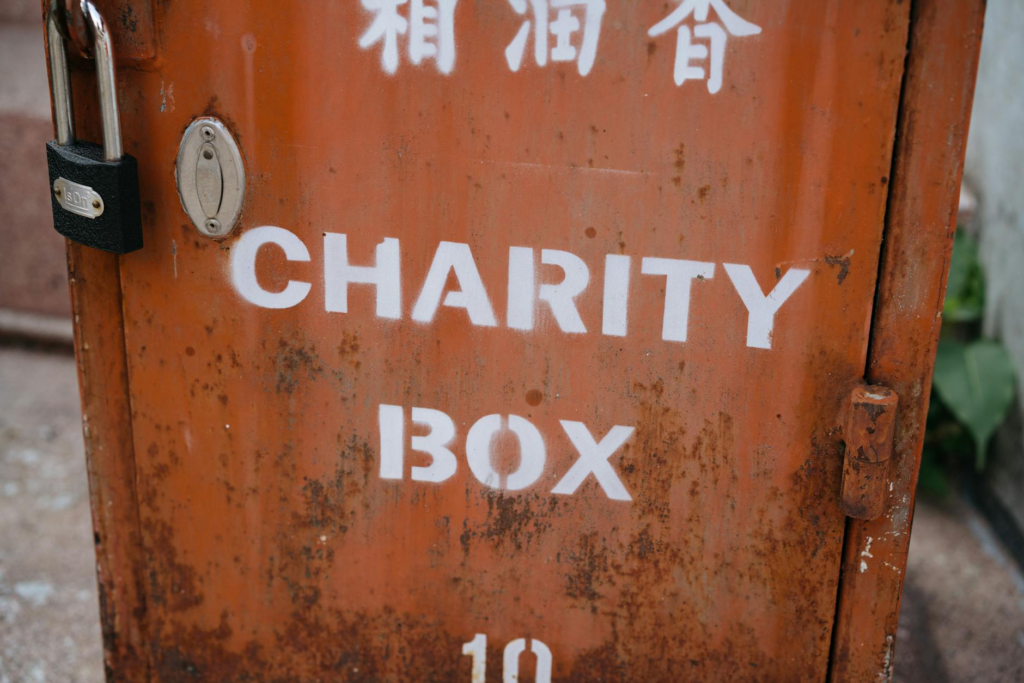
Understanding the ethics of charitable giving is crucial for fostering a culture of responsible giving in Pennsylvania. By recognizing the potential for charity fraud ethics violations, donors can ensure their contributions align with their values and effectively support those in need. Ethical donation practices not only enhance the reputation of legitimate organizations but also protect the integrity of the philanthropic sector as a whole.
As you consider your next charitable contribution, take time to research the organizations you wish to support. Verify their legitimacy and transparency, ensuring they adhere to the principles of responsible giving Pennsylvania. By engaging in informed decision-making and advocating for ethical donation practices, you play a vital role in combating fraud and promoting a more trustworthy charitable landscape. Start today by reviewing resources that can guide you in making ethical choices in your charitable endeavors.
“`html
What are the ethics of charitable giving?
The ethics of charitable giving involve a commitment to transparency, accountability, and the intention behind donations. Donors should ensure their contributions make a meaningful impact and reach those in need. Ethical giving also encompasses understanding how charities use funds and the importance of supporting organizations that align with personal values and missions. Emphasizing the ethics charitable giving fosters trust between donors and recipients, encouraging a culture of responsible philanthropy.
How can I avoid charity fraud in Pennsylvania?
To avoid charity fraud in Pennsylvania, research charities thoroughly before donating. Check if the organization is registered with the Pennsylvania Department of State and review its financial reports. Look for independent ratings from charity watchdogs like Charity Navigator or GuideStar. Be cautious of high-pressure tactics and unsolicited requests, and always verify the legitimacy of the charity’s claims. Educating yourself on charity fraud ethics can help you make informed decisions.
What should I consider before donating to a charity?
Before donating to a charity, consider its mission, goals, and transparency. Review their financial health, including how much of donations go directly to programs versus administrative costs. It’s essential to understand how the charity measures its impact and whether it aligns with your values. Look for third-party evaluations to ensure the organization practices responsible giving Pennsylvania and adheres to ethical standards.
How do I report charity fraud in Pennsylvania?
If you suspect charity fraud in Pennsylvania, report it to the Pennsylvania Department of State’s Bureau of Charitable Organizations. You can file a complaint online, providing details about the suspected fraudulent activity. Additionally, consider contacting local law enforcement or your state’s attorney general’s office for further assistance. Reporting fraud helps protect others and reinforces the importance of ethical practices in charitable giving.
What are responsible giving practices in Pennsylvania?
Responsible giving practices in Pennsylvania involve thorough research on charities, understanding their missions, and how funds are utilized. Donors should prioritize organizations that demonstrate transparency and accountability, ensuring that a significant portion of donations supports programs rather than administrative costs. Engaging with local charities and fostering relationships can also encourage responsible philanthropy and promote ethical donation practices in the community.
What are ethical donation practices I should follow?
Ethical donation practices include researching charities thoroughly, ensuring they are legitimate and transparent. Donors should consider how their contributions will be used and whether the charity aligns with their values. Avoiding high-pressure tactics and unsolicited requests is essential, as is keeping detailed records of donations for tax purposes. Following these practices promotes a culture of ethical charitable giving and supports organizations committed to their missions.
“`