

Human trafficking reporting is vital for combating one of the most heinous crimes of our time. Every year, millions become victims of this exploitation, yet many cases go unreported due to fear, ignorance, or lack of awareness. This article delves into the importance of human trafficking reporting, demonstrating how effective reporting mechanisms can protect victims and enhance crime awareness. By understanding how timely reports can lead to swift interventions, we can improve victim protection and ultimately save lives. Furthermore, we will explore the role of anonymous reporting in empowering communities to act without fear, thus contributing to public safety. As we look toward the future of human trafficking reporting, it is essential to consider innovative approaches and technologies that can further enhance our response to this crisis. Finally, we will issue a call to action, urging individuals and organizations to get involved in reporting efforts. Together, we can create a safer environment for all and combat the scourge of human trafficking. For more information on how to get involved, visit ACF’s Office on Trafficking in Persons.
The Importance of Human Trafficking Reporting
Understanding Human Trafficking
Human trafficking is a grave violation of human rights, involving the exploitation of individuals through force, fraud, or coercion for various purposes, including forced labor and sexual exploitation. According to the United Nations Office on Drugs and Crime (UNODC), an estimated 25 million people worldwide are victims of human trafficking. This insidious crime affects every nation, with millions falling prey to traffickers each year.
The urgency for effective human trafficking reporting cannot be overstated. Reporting mechanisms serve as a crucial line of defense in combating this crime. By raising awareness and facilitating the identification of victims, reporting systems contribute significantly to victim protection and public safety. Statistics indicate that areas with robust human trafficking reporting systems see increased vigilance in their communities, leading to higher rates of victim recovery and prosecution of traffickers.
The Role of Reporting in Crime Awareness
Crime awareness is a vital element in the fight against human trafficking. When communities are informed about the signs of trafficking and how to report suspicious activities, they become active participants in prevention efforts. A study by the National Institute of Justice found that increased awareness leads to a greater likelihood of anonymous reporting, allowing citizens to alert authorities without fear of retribution.
Proactive reporting not only helps identify victims but also disrupts trafficking networks. According to the 2021 Trafficking in Persons Report, countries that implemented comprehensive reporting strategies saw a 30% increase in detected cases. This underscores the importance of community involvement and the need for effective communication channels that prioritize victim protection.
human trafficking reporting is critical for enhancing crime awareness and ensuring public safety. By fostering a culture of vigilance and engagement, communities can play an integral role in combating this heinous crime. 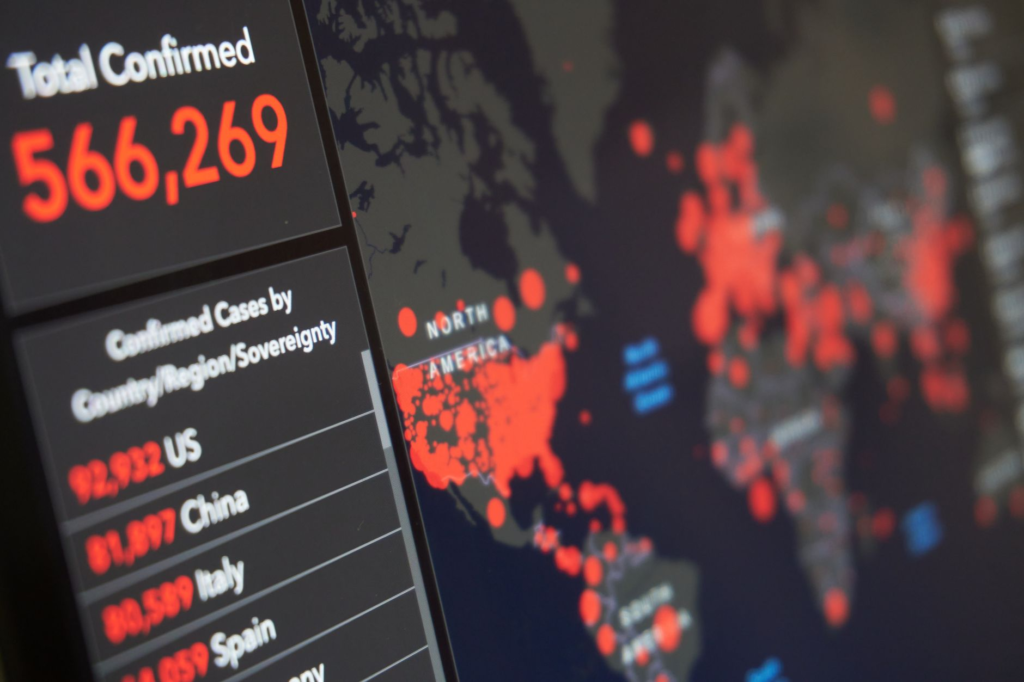
How Reporting Helps Protect Victims
Timely and accurate reporting of human trafficking cases is crucial in the fight against this pervasive crime. Effective human trafficking reporting not only aids in the identification and rescue of victims but also plays a significant role in implementing victim protection strategies. These strategies are designed to not only remove individuals from perilous situations but also to provide them with the necessary support to rebuild their lives.
Victim Protection Strategies
Victim protection strategies focus on ensuring the safety and well-being of individuals who have experienced trafficking. These strategies range from immediate intervention to long-term support services. For instance, organizations like the U.S. Department of Health and Human Services run programs that offer housing, legal assistance, and counseling for trafficking survivors. When human trafficking reporting is executed promptly, authorities can mobilize resources quickly, leading to successful rescues and protective measures for victims. In 2020, the National Human Trafficking Hotline reported a significant increase in rescues attributed to community members reporting suspicious activities, demonstrating the potency of awareness and swift action.
Anonymous Reporting Mechanisms
For many individuals, fear of retaliation can hinder them from reporting suspected trafficking incidents. This is where anonymous reporting mechanisms come into play. These systems allow concerned citizens to report suspicious activities without revealing their identities. The National Human Trafficking Hotline offers an anonymous tip line that empowers individuals to contribute to public safety without the fear of exposure or reprisal. Such mechanisms have proven effective; for example, in 2019, a surge in anonymous tips led to a major trafficking operation being dismantled, rescuing dozens of victims. By facilitating human trafficking reporting through anonymous channels, communities can foster an environment of crime awareness and safety.
Ultimately, the combination of robust victim protection strategies and anonymous reporting mechanisms is essential in the fight against human trafficking. Each report has the potential to save lives, while also reinforcing the community’s commitment to protecting its most vulnerable members. The implications of these efforts extend beyond individual cases, contributing to broader societal changes aimed at eradicating human trafficking altogether.
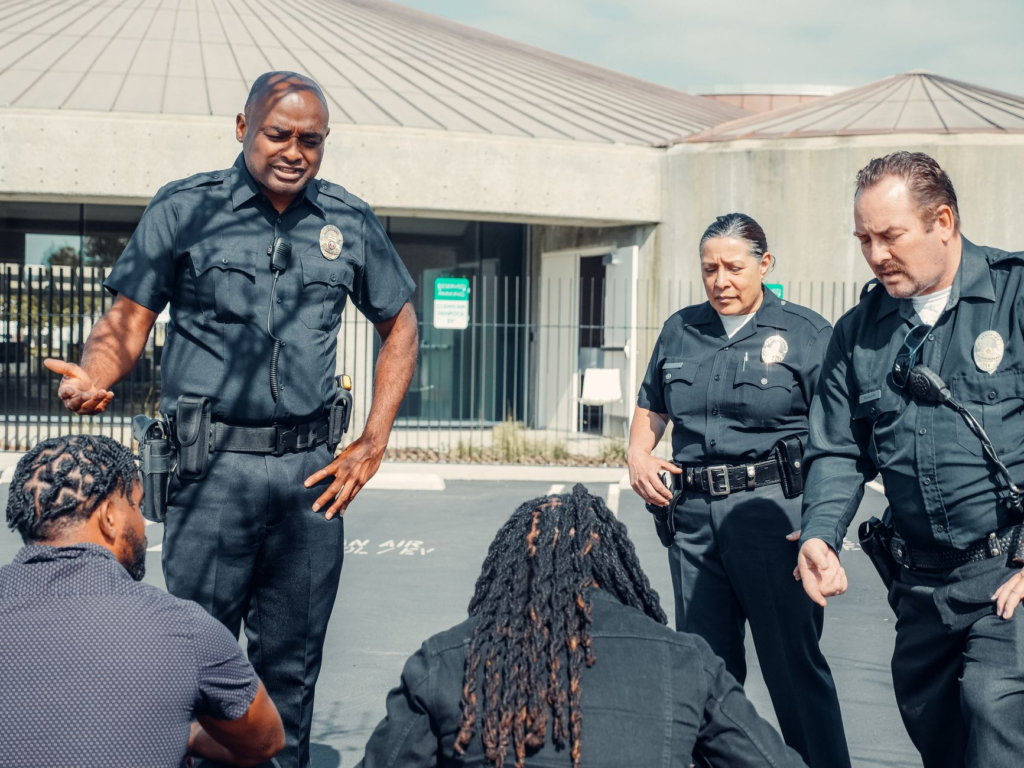
Enhancing Public Safety Through Awareness
Community Engagement in Human Trafficking Reporting
Community engagement plays a crucial role in enhancing public safety, particularly in the fight against human trafficking. Local neighborhoods can become the first line of defense against this pervasive crime when residents actively participate in human trafficking reporting initiatives. By fostering an environment of vigilance and cooperation, communities can significantly reduce the occurrence of trafficking incidents. Studies show that communities with high levels of engagement and awareness are less likely to harbor traffickers, as vigilant citizens are more likely to report suspicious activities to authorities. This collective action not only aids in victim protection but also raises overall crime awareness within the community.
To facilitate this engagement, various organizations and programs exist to empower community members. For example, the National Human Trafficking Hotline provides resources for local initiatives, including training sessions and informational materials tailored for community outreach. Engaging local law enforcement and non-profits can also enhance awareness, creating a network that encourages anonymous reporting of suspicious activities. Programs like these encourage residents to take an active stance against trafficking, thereby directly contributing to public safety.
Educating the Public on Signs of Trafficking
Education is key in recognizing the signs of human trafficking. By informing the public about the indicators of trafficking, such as unusual behavior in individuals, signs of physical abuse, or a lack of control over personal belongings, communities can become more adept at identifying potential victims. It is essential for community leaders to disseminate this information widely, using workshops, social media campaigns, and local events to reach as many people as possible.
Resources like the U.S. Department of Health & Human Services offer materials that help educate the public on trafficking signs and reporting mechanisms. Additionally, training for community members on how to safely intervene and report suspicious behavior can reduce the fear of inaction, facilitating anonymous reporting and encouraging more individuals to speak out.
As communities become more informed and engaged, the likelihood of identifying and assisting trafficking victims increases. This proactive approach not only supports victim protection but also builds a culture of awareness that benefits public safety as a whole.

Future Directions in Human Trafficking Reporting
As the fight against human trafficking evolves, the role of human trafficking reporting is becoming increasingly pivotal. Technological innovations and policy advocacy are setting the stage for more effective reporting mechanisms that can enhance victim protection and public safety. The urgency of addressing this issue is underscored by the rising number of reported cases globally, necessitating immediate action and innovation.
Technological Innovations in Human Trafficking Reporting
Advancements in technology have the potential to streamline reporting processes significantly. Innovative apps and platforms are being developed to facilitate anonymous reporting, allowing individuals to report suspicions of human trafficking without fear of retribution. For example, organizations like Polaris have created tools that enable immediate reporting, connecting concerned citizens with local authorities. These platforms not only simplify the reporting process but also enhance crime awareness by educating the public on the signs of trafficking.
Moreover, integrating artificial intelligence in data analysis can help identify patterns and hotspots for trafficking, enabling law enforcement agencies to allocate resources more effectively. The use of geolocation features in mobile apps can also assist outreach workers in providing timely support to victims, thus enhancing the efficacy of interventions aimed at victim protection.
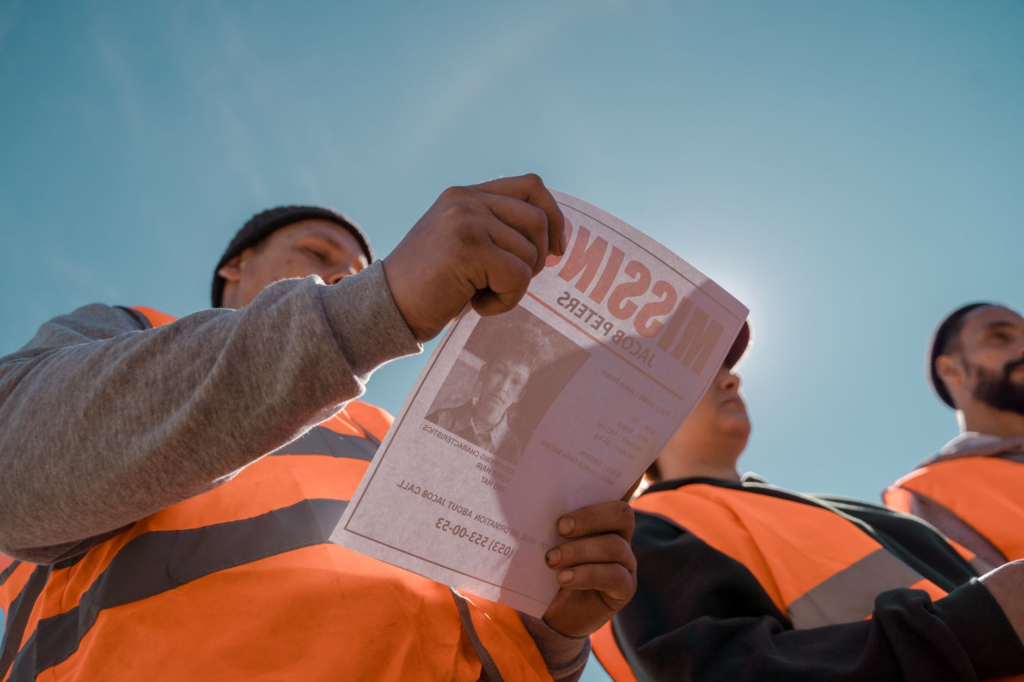
Policy Changes and Advocacy for Victim Protection
Alongside technological advancements, advocacy for policy changes is crucial in enhancing human trafficking reporting systems. Policymakers must prioritize the adoption of laws that protect victims and incentivize reporting. This includes implementing legal frameworks that allow for victim protection and providing resources for training law enforcement on trauma-informed approaches.
Organizations such as the United Nations Office on Drugs and Crime emphasize the importance of comprehensive policies that support the needs of trafficking survivors. By engaging in advocacy efforts, stakeholders can influence government policies to create a more robust infrastructure for reporting and responding to human trafficking incidents. This collaborative approach not only improves public safety but also fosters a culture of accountability and support for victims.
As we look ahead, the fusion of technology and policy advocacy will play a crucial role in shaping the future of human trafficking reporting. By embracing these advancements, we can enhance crime awareness, ensure victim protection, and ultimately save lives.
Call to Action: Get Involved in Human Trafficking Reporting
The fight against human trafficking requires active participation from the community. By getting involved in human trafficking reporting, you can play a crucial role in exposing this heinous crime and protecting vulnerable individuals. Every report can lead to significant interventions, ensuring that victims receive the help they need and that perpetrators are held accountable.
How to Report Human Trafficking
If you suspect that someone is a victim of human trafficking, it is essential to act swiftly and responsibly. Here are practical steps you can take:
- Stay Observant: Familiarize yourself with the signs of human trafficking, such as individuals who seem fearful, lack identification, or are accompanied by someone who seems to control their movements.
- Gather Information: If it is safe to do so, collect as much information as possible about the situation, including descriptions of individuals, locations, and any vehicles involved.
- Report Anonymously: You can report your suspicions anonymously to the National Human Trafficking Hotline at 1-888-373-7888 or text “HELP” to 233733. Local law enforcement can also be contacted if you believe immediate action is required.
Your awareness and proactive reporting can significantly contribute to crime awareness and enhance public safety in your community. Remember, your actions could save a life.
Resources for Victims and Witnesses
There are numerous organizations dedicated to victim protection and assistance for those affected by human trafficking. Here are some key resources:
- Polaris Project: Provides support for victims and resources for reporting trafficking incidents.
- National Human Trafficking Resource Center: Offers information on human trafficking and how to get involved.
- U.S. Department of State: This site provides information on federal resources and initiatives aimed at combating trafficking.

By utilizing these resources, you can help create a safer environment for everyone. Together, with your commitment to human trafficking reporting, we can make a difference in the lives of those who need it most. Your involvement is not just beneficial; it is essential in the ongoing fight against this crime.
Human trafficking reporting is not merely a legal obligation; it serves as a critical lifeline for victims trapped in unimaginable circumstances. By enhancing crime awareness within communities, we empower individuals to recognize the signs of human trafficking and to act when they see something suspicious. This proactive approach can significantly contribute to victim protection, ensuring those in peril receive the help they desperately need.
Moreover, the anonymity afforded by various reporting channels encourages more people to come forward without fear of retribution. When citizens engage in anonymous reporting, they bolster public safety and help create a more vigilant society. Taking action by reporting suspected trafficking can lead to swift interventions and, ultimately, save lives. As you learn about the importance of human trafficking reporting, consider how you can contribute to this vital cause, whether through education, advocacy, or direct action. Your involvement can make a profound difference.
“`html
What is human trafficking and how does it occur?
Human trafficking is a serious crime involving the exploitation of individuals for forced labor, sexual exploitation, or other forms of servitude. It often occurs through coercion, deception, or abuse of power. Victims may be lured by false promises of employment or a better life, making them vulnerable to traffickers. Understanding the mechanisms of human trafficking is crucial for prevention and effective human trafficking reporting, which can help law enforcement identify and rescue victims.
How can I report suspected human trafficking?
If you suspect human trafficking, you can report it to local authorities or national hotlines. In the United States, you can call the National Human Trafficking Hotline at 1-888-373-7888 or text 233733. Providing as much information as possible, such as descriptions of individuals, locations, and suspicious activities, can aid in investigations. Remember, human trafficking reporting can play a vital role in saving lives and protecting victims.
What are the signs of human trafficking?
Signs of human trafficking can include physical abuse, lack of personal identification, and an inability to speak freely. Victims may appear fearful, submissive, or overly compliant. They might also show signs of malnourishment or poor health. Additionally, if someone is being controlled by another person or is not allowed to leave their situation, these could be indicators of trafficking. Recognizing these signs is essential for effective crime awareness and intervention.
Why is anonymous reporting important?
Anonymous reporting is crucial in human trafficking cases as it encourages people to come forward without fear of retaliation or exposure. Many individuals may hesitate to report suspected trafficking due to concerns about their safety or the repercussions for themselves or the victims. By ensuring that reports can be made anonymously, we increase the likelihood of gathering vital information that can lead to rescues and prosecutions, enhancing overall public safety.
How does human trafficking affect public safety?
Human trafficking poses a significant threat to public safety, as it contributes to organized crime, drug trafficking, and violence. Communities impacted by trafficking often experience increased crime rates and social instability. Moreover, trafficking undermines the rule of law and can lead to a lack of trust in public institutions. By addressing human trafficking through awareness and reporting, communities can enhance safety and protect vulnerable populations.
What resources are available for victims of trafficking?
Victims of human trafficking can access various resources, including shelters, legal assistance, and counseling services. Organizations like the Polaris Project and local NGOs provide support tailored to individual needs. Victims can receive help in rebuilding their lives, including job training and healthcare. Advocacy groups also work to raise awareness and promote victim protection policies. Connecting victims to these resources is essential for their recovery and reintegration into society.
“`