

The importance of community involvement in Crime Stoppers cannot be overstated. Crime Stoppers programs thrive when local residents actively participate in crime prevention efforts, fostering a safer environment for everyone. This article delves into the significance of community involvement in Crime Stoppers, examining how engaging residents transforms the crime prevention community. We will explore effective strategies for engaging residents in Crime Stoppers initiatives, spotlight the benefits of local safety initiatives, and provide guidance on how individuals can get involved with these vital programs. By understanding the integral role of community participation, we can enhance our collective capacity to combat crime and promote safety. Join us as we outline the path forward for community involvement in Crime Stoppers and its profound impact on our neighborhoods.
Understanding Community Involvement in Crime Stoppers Programs
What are Crime Stoppers Programs?
Crime Stoppers programs are community-based initiatives designed to encourage the public to report crime anonymously. Established in the late 1970s, these programs aim to enhance law enforcement efforts by providing a platform for citizens to share information about criminal activity without fear of retribution. The primary objectives are to reduce crime rates, assist in solving cases, and foster a culture of safety and cooperation within communities. By offering rewards for useful tips, Crime Stoppers motivates individuals to come forward, thereby playing a vital role in the broader crime prevention community.
The Role of Community Involvement in Crime Stoppers
Community involvement in Crime Stoppers is crucial for the success of these initiatives. Engaging residents not only enhances awareness of local crime issues but also promotes a shared sense of responsibility for community safety. Studies have shown that areas with active Crime Stoppers programs and engaged citizens experience a significant decrease in crime rates. For instance, a report from the Bureau of Justice Statistics indicated that communities with high participation in Crime Stoppers saw up to a 30% reduction in certain types of crime.
Moreover, successful case studies illustrate the impact of community involvement. In Los Angeles, a local Crime Stoppers initiative led to a surge in anonymous tips that resulted in the resolution of several high-profile cases, showcasing the effectiveness of residents actively participating in local safety initiatives. By fostering a collaborative environment, Crime Stoppers programs create a robust network of support and vigilance that benefits everyone.
Ultimately, enhancing community involvement in Crime Stoppers programs is a powerful tool for crime prevention. Engaging residents not only empowers them but also strengthens the fabric of the community, making it safer and more resilient. submit tip PA Crime Stoppers

The Impact of Community Involvement on Crime Prevention
Community involvement is a crucial element in fostering effective crime prevention strategies. Engaging residents in local safety initiatives not only creates a more vigilant neighborhood but also builds a vital trust between the community and law enforcement agencies. This trust is essential for effective communication and collaboration, which are key components of successful crime prevention efforts.
Building Trust Between Residents and Law Enforcement
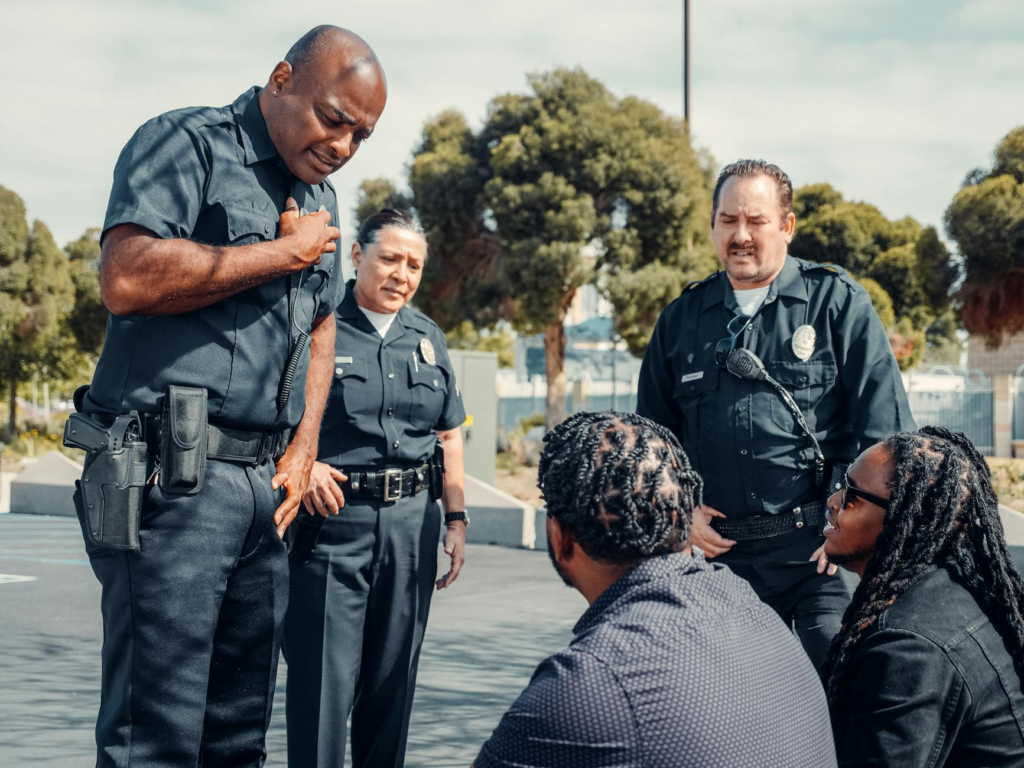
When residents actively participate in community safety initiatives, they become more familiar with law enforcement officers and the challenges they face. This familiarity helps dismantle barriers of mistrust that can often exist between the police and the community. Programs like Crime Stoppers encourage community involvement by providing a platform for individuals to share information about criminal activity anonymously. This encourages residents to report suspicious behavior without fear of retaliation.
According to the Bureau of Justice Statistics, communities that foster relationships between residents and police experience lower crime rates. Initiatives that promote open dialogue, such as community meetings, also enhance cooperation and transparency. These interactions help residents understand the role of law enforcement, while officers gain insight into community concerns, ultimately leading to a more united front against crime.
Case Studies of Successful Crime Prevention Communities
Several crime prevention communities have achieved notable successes through active resident engagement. For instance, the National Gang Center highlights the effectiveness of community-based programs that mobilize residents in crime reduction efforts. One such example is the “Neighborhood Watch” initiative, which has been instrumental in decreasing crime rates in various neighborhoods. By bringing residents together and encouraging them to look out for one another, these programs create a framework for sustained community involvement.
Another successful model is the “Community Policing” approach, where police departments partner with community members to address safety issues collaboratively. This method has shown a significant reduction in crime rates, as highlighted in research by the Police Foundation. Communities that implement such strategies see a direct correlation between resident engagement and improved safety outcomes.
Ultimately, community involvement in Crime Stoppers and similar initiatives represents a proactive approach to crime prevention. By engaging residents and fostering trust, communities can create safer environments for everyone.
Strategies for Engaging Residents in Crime Stoppers Initiatives
Effective Communication Strategies for Community Involvement Crime Stoppers
Effective communication is fundamental in fostering community involvement in Crime Stoppers initiatives. Local authorities and Crime Stoppers organizations should prioritize transparent and consistent messaging about the goals and benefits of their programs. Utilizing multiple channels, such as social media, newsletters, and community bulletin boards, can help reach a broader audience. For example, using platforms like Facebook and Twitter allows the dissemination of timely information and encourages discussions among residents.
Additionally, engaging residents through storytelling can create a personal connection to the initiatives. Sharing success stories about crimes solved through community tips not only highlights the impact of resident involvement but also inspires others to participate. Ensure that all communications are inclusive and accessible to cater to diverse community members, emphasizing that every voice matters in crime prevention community efforts.
Community Events and Workshops to Engage Residents
Organizing community events and workshops is another effective strategy to strengthen community involvement in Crime Stoppers. These gatherings can serve as platforms for residents to learn about local safety initiatives, understand crime trends, and discover how they can contribute. For instance, hosting crime prevention workshops can educate residents on recognizing suspicious activities and the importance of reporting them.
Collaborating with local businesses, schools, and community organizations can amplify the reach and impact of these events. Consider organizing neighborhood watch meetings or safety fairs, where residents can participate in activities that build trust and camaraderie. By creating a sense of community and shared responsibility, these initiatives enhance engagement and encourage ongoing participation in Crime Stoppers programs.

Ultimately, fostering community involvement in Crime Stoppers is about creating an open dialogue, providing education, and building relationships. By employing effective communication strategies and organizing community events, local authorities can significantly enhance resident engagement, helping to create safer neighborhoods.
Local Safety Initiatives and Their Benefits
Community involvement in Crime Stoppers is essential for fostering safer neighborhoods. Local safety initiatives designed to engage residents empower them to take an active role in crime prevention. These initiatives often include neighborhood watch programs, community policing efforts, and educational workshops focused on safety awareness.
Collaborative Efforts in Crime Prevention
By collaborating with law enforcement and local organizations, residents can create tailored strategies that address specific safety concerns in their communities. For instance, neighborhood watch programs encourage residents to report suspicious activities, which can lead to timely interventions by authorities. According to the National Institute of Justice, communities with active watch programs have reported a significant reduction in crime rates, showcasing the power of community involvement in Crime Stoppers.
Additionally, engaging residents through workshops and events can cultivate a community-wide commitment to safety. These gatherings often provide valuable information on how to recognize and report crimes effectively, thereby enhancing the overall efficacy of local safety initiatives. Programs that promote awareness around issues such as drug abuse and domestic violence can also lead to more informed and proactive residents.
Long-term Benefits of Community Engagement
The long-term benefits of these community-focused safety initiatives extend beyond mere crime reduction. When residents feel empowered to participate in local safety discussions, it fosters a sense of ownership and pride in the community. This, in turn, leads to improved relations between residents and law enforcement, creating a collaborative environment where everyone works together for the common good.
Moreover, studies have shown that neighborhoods with high levels of community involvement tend to have lower crime rates and enhanced social cohesion. When residents actively engage in crime prevention efforts, they build trust among themselves and with local authorities. This trust is crucial for effective crime reporting and response, ultimately leading to safer neighborhoods for everyone.
As communities continue to implement and support local safety initiatives, the cycle of engagement and safety becomes self-reinforcing, creating a more resilient and secure environment. To learn more about how you can get involved, consider reaching out to your local Crime Stoppers program or community organization.

How to Get Involved with Community Crime Stoppers Programs
Volunteer Opportunities for Community Involvement Crime Stoppers
Engaging residents in community involvement Crime Stoppers initiatives is essential for fostering a safer environment. One of the most effective ways to contribute is by volunteering with local Crime Stoppers programs. Volunteers can assist in various capacities, such as organizing community events, conducting outreach efforts, or helping with administrative tasks. Many programs also seek individuals to participate in school presentations that educate children about crime prevention and safety.
To find volunteer opportunities, check your local Crime Stoppers website or contact them directly. Many programs offer training sessions that equip volunteers with the skills necessary to make a meaningful impact. Additionally, consider participating in fundraising events, as these efforts are crucial for sustaining Crime Stoppers initiatives and expanding their outreach.
Supporting Local Safety Initiatives
Another significant way to engage with your community is by supporting local safety initiatives associated with Crime Stoppers. These initiatives often focus on crime prevention community efforts, such as neighborhood watch programs or safety workshops. By attending these events, you not only gain valuable information but also demonstrate your commitment to making your community a safer place.
Consider collaborating with local businesses to sponsor safety events or educational workshops that raise awareness about crime prevention. Engaging residents through workshops or community forums can also foster a sense of unity and purpose, ultimately making your neighborhood more resilient against crime. To stay informed about upcoming events, follow local Crime Stoppers on social media or subscribe to their newsletters.
By taking these actionable steps, you can play a vital role in enhancing community involvement Crime Stoppers initiatives and contribute to a safer environment for everyone.

Conclusion: The Path Forward for Community Involvement in Crime Stoppers
Community involvement in Crime Stoppers is not just beneficial; it is essential for fostering safer neighborhoods and effective crime prevention. Throughout this article, we have explored how engaged residents can significantly impact local safety initiatives, leading to a reduction in crime rates and an increase in community trust toward law enforcement. By participating in Crime Stoppers, individuals not only contribute to solving crimes but also play a pivotal role in creating a supportive environment that prioritizes public safety.
Enhancing Community Involvement in Crime Stoppers
For Crime Stoppers programs to thrive, sustained community involvement is crucial. This can be achieved through various strategies, such as organizing community meetings, launching awareness campaigns, and collaborating with local businesses to promote initiatives. Engaging residents fosters a sense of ownership over community safety, encouraging more people to come forward with information. Furthermore, by actively participating in these programs, residents can help bridge the gap between law enforcement and the community, creating a more cohesive and trusting relationship.
Local safety initiatives that prioritize community feedback and participation can lead to more tailored crime prevention strategies that effectively address specific issues within neighborhoods. As communities become more proactive, the collective impact of Crime Stoppers can be amplified, leading to a safer and more secure environment for everyone.
As we move forward, it is imperative for all stakeholders, law enforcement, local governments, and citizens, to continue to invest in and support community involvement in Crime Stoppers. Together, we can build resilient communities where safety is a shared priority and where individuals feel empowered to take action against crime.

By fostering this spirit of collaboration, we ensure that community involvement in Crime Stoppers remains a powerful tool for crime prevention and a foundation for safer neighborhoods.
Community involvement in Crime Stoppers is essential for fostering a safer environment and enhancing crime prevention efforts. By actively engaging residents, local organizations can create a network of vigilance and support that not only deters criminal activity but also strengthens community ties. This collective effort magnifies the impact of local safety initiatives, ensuring that residents feel empowered and informed.
To make a difference, consider getting involved in your local Crime Stoppers program. Whether through volunteering, participating in awareness campaigns, or simply spreading the word about the importance of community involvement in Crime Stoppers, every action counts. By taking these steps, you contribute to a proactive crime prevention community, laying the groundwork for a safer future for all.
“`html
What is the role of community involvement in Crime Stoppers?
Community involvement in Crime Stoppers plays a crucial role in fostering a safer environment. It encourages citizens to participate actively in crime prevention efforts by providing anonymous tips that can lead to arrests and resolutions of cases. This collaboration enhances the effectiveness of local law enforcement and builds trust within neighborhoods, promoting a culture of safety and vigilance. By engaging residents, Crime Stoppers effectively addresses local crime challenges and empowers communities.
How can residents engage with local Crime Stoppers initiatives?
Residents can engage with local Crime Stoppers initiatives by attending community meetings, participating in outreach programs, and utilizing social media platforms to spread awareness. Many local Crime Stoppers organizations host events that encourage community members to share information and connect with law enforcement. Additionally, residents can volunteer their time or resources to support these initiatives, fostering a strong crime prevention community.
What are some successful examples of community involvement in crime prevention?
Successful examples of community involvement in crime prevention include neighborhood watch programs and collaborative safety fairs. These initiatives have led to reduced crime rates in various areas by fostering communication between residents and law enforcement. For instance, cities like Chicago have seen significant improvements in community safety through their Crime Stoppers programs that actively engage local residents in reporting suspicious activities and sharing vital information.
Why is trust between residents and law enforcement important?
Trust between residents and law enforcement is essential for effective crime prevention. When communities feel confident in their police force, they are more likely to report crimes and cooperate in investigations. This trust facilitates open communication, leading to quicker resolutions of cases and a stronger partnership in maintaining public safety. Building this trust is a key aspect of community involvement in Crime Stoppers, as it helps break down barriers and fosters collaboration.
What strategies can be used to increase community participation in safety initiatives?
To increase community participation in safety initiatives, organizations can implement strategies such as hosting educational workshops, creating engaging social media campaigns, and establishing clear communication channels between residents and law enforcement. Additionally, incentivizing participation through community events or recognition programs can motivate residents to get involved. Collaborating with local businesses and schools can also enhance outreach efforts and build a stronger, more connected crime prevention community.
How can I volunteer for Crime Stoppers programs in my area?
Volunteering for Crime Stoppers programs is a great way to contribute to your community. You can start by visiting your local Crime Stoppers website or contacting their office to inquire about volunteer opportunities. Many programs welcome assistance in areas such as event organization, outreach, and administrative support. Engaging in these activities allows you to play a vital role in enhancing community involvement in Crime Stoppers initiatives.
“` This HTML block addresses common questions regarding community involvement in Crime Stoppers, providing clear and helpful answers while integrating the primary keyword naturally.