
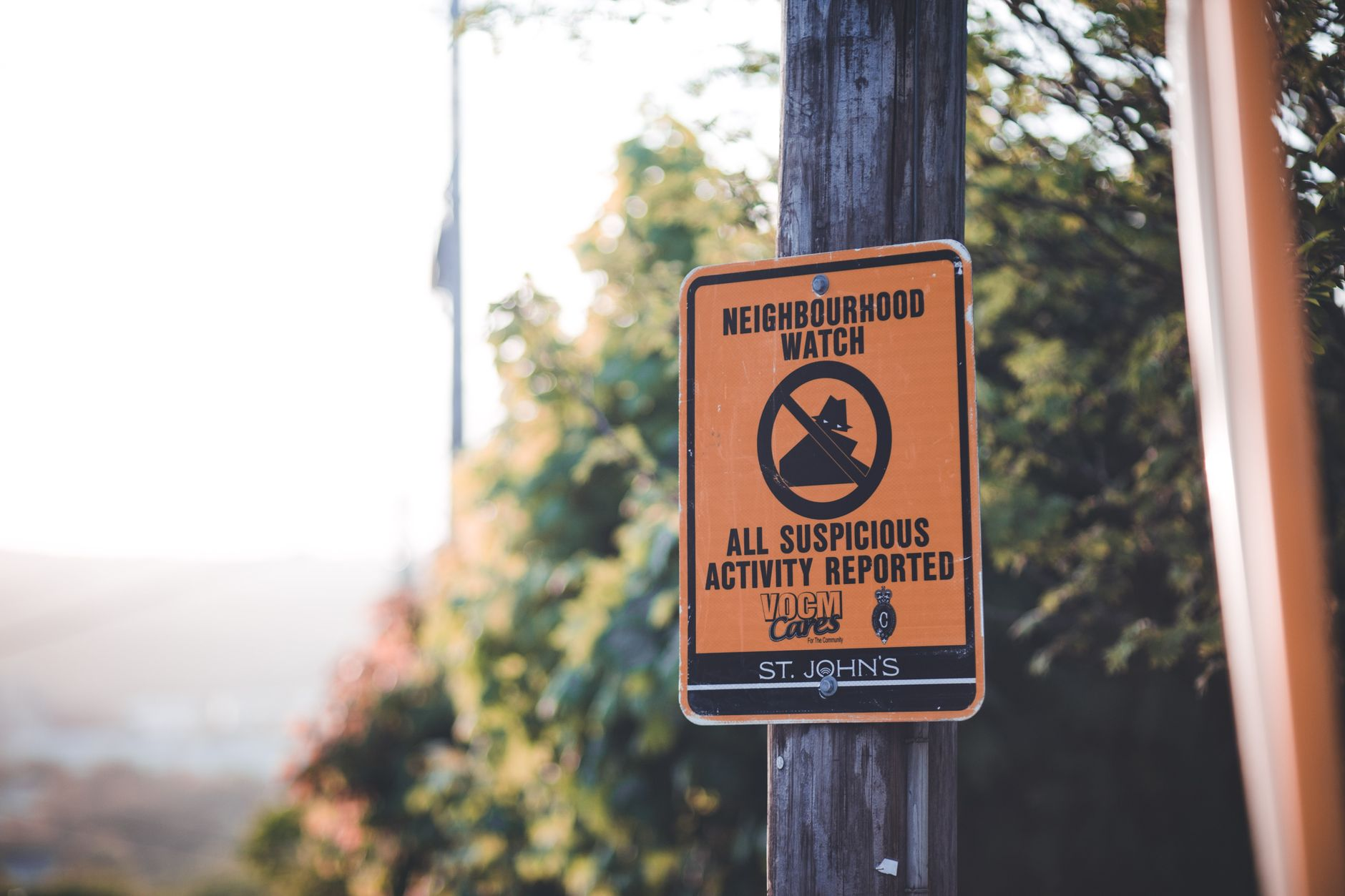
Starting a neighborhood watch program PA Crime Stoppers can significantly enhance your community’s safety, fostering a proactive approach to crime prevention. This article provides a comprehensive guide for those looking to establish such a program in their neighborhoods. We will explore the fundamentals of the Neighborhood Watch Program with PA Crime Stoppers, detailing essential steps to get started and implement effective crime prevention tips that can empower residents. Additionally, we will discuss strategies for sustaining your neighborhood watch initiative over the long term, ensuring it remains a vital part of your community safety efforts. Lastly, we will highlight local programs and resources that can further assist you in building a successful neighborhood watch. By working collaboratively, residents can create a safer environment, deter criminal activity, and strengthen community ties. For more information on community safety initiatives, visit the PA Crime Stoppers website.
Understanding the Neighborhood Watch Program with PA Crime Stoppers
What is a Neighborhood Watch Program?
A neighborhood watch program is a community initiative designed to enhance local safety through increased vigilance and communication among residents. The primary purpose is to prevent crime by fostering a sense of community and encouraging neighbors to look out for one another. Participants are trained to recognize suspicious activities, report concerns, and collaborate with local law enforcement agencies. This proactive approach not only deters criminal behavior but also strengthens community bonds.
The Role of PA Crime Stoppers in Community Safety
PA Crime Stoppers plays a vital role in supporting neighborhood watch programs throughout Pennsylvania. They provide essential resources, training, and guidance to help communities establish effective crime prevention initiatives. Through workshops and informational sessions, PA Crime Stoppers equips residents with crime prevention tips that empower them to take an active role in maintaining safety. The organization also offers tools for reporting crimes anonymously, thus encouraging more community members to engage with local programs without fear of retaliation.
By partnering with PA Crime Stoppers, communities can access a wealth of knowledge about best practices for running a neighborhood watch program. This collaboration not only aids in crime prevention but also promotes a culture of trust and accountability among neighbors. Moreover, PA Crime Stoppers provides ongoing support as communities adapt and grow, ensuring that their efforts remain effective in addressing local safety concerns.
In essence, a neighborhood watch program in conjunction with PA Crime Stoppers is an invaluable strategy for enhancing community safety. Residents are empowered to take charge of their environment, leading to lower crime rates and a more connected neighborhood. For those interested in starting such initiatives, reaching out to PA Crime Stoppers is a crucial first step.

Steps to Establish a Neighborhood Watch Program with PA Crime Stoppers
Gathering Community Interest and Support
Starting a neighborhood watch program requires the backing of your community. The first step is to engage residents and assess their interest in enhancing local safety. Organize a meeting to discuss community safety concerns and present the idea of a neighborhood watch program PA Crime Stoppers. Use local social media groups, community centers, and flyers to spread the word.
During the initial meeting, outline the objectives of the program, emphasizing how it can serve as a valuable tool for crime prevention. Encourage attendees to share their thoughts and experiences related to crime in the area. Consider forming a committee of enthusiastic volunteers who can help coordinate efforts and manage outreach activities.
- Host an informational session to present the benefits of a neighborhood watch.
- Gather contact information from interested participants for future communication.
- Encourage neighborhood block parties or informal gatherings to foster relationships.
Collaborating with PA Crime Stoppers for Your Neighborhood Watch Program
Once you have gathered community interest, the next step is to collaborate with PA Crime Stoppers. This partnership can enhance the effectiveness of your neighborhood watch program. Reach out to PA Crime Stoppers to schedule a meeting where you can discuss your goals and how they can assist.
During this meeting, ask about available resources, training programs, and other local programs that PA Crime Stoppers provides. They may offer crime prevention tips and strategies tailored to your community. Additionally, they can help facilitate workshops on crime reporting, safety protocols, and the best practices for neighborhood watch groups.
After the meeting, maintain communication with PA Crime Stoppers to ensure ongoing support and updates on crime trends in your area. Regular collaboration can strengthen community ties and improve overall safety.

By gathering community support and effectively collaborating with PA Crime Stoppers, you can create a strong neighborhood watch program that prioritizes safety and encourages active participation in crime prevention.
Implementing Crime Prevention Tips in Your Neighborhood Watch Program
Establishing a successful neighborhood watch program PA Crime Stoppers involves more than just organizing meetings; it requires active participation and the implementation of effective crime prevention tips. By fostering community safety and encouraging involvement, your neighborhood can become a safer place to live.
Identifying Crime Prevention Strategies
To tackle local crime effectively, your neighborhood watch program should incorporate a variety of crime prevention strategies. Here are some essential tips:
- Neighborhood Awareness: Encourage residents to be vigilant about their surroundings and report any suspicious activity. Regularly share updates about local crime trends to keep everyone informed.
- Lighting and Visibility: Advocate for improved street lighting in areas prone to crime. Well-lit streets deter criminal activity and enhance safety.
- Community Clean-Up: Organize neighborhood clean-up days. A well-maintained environment can reduce crime rates, as it shows that residents care about their community.
- Secure Homes: Provide residents with tips on home security, such as installing alarms, using deadbolts, and ensuring windows are locked.
- Engagement with Local Law Enforcement: Collaborate with local police to understand crime data and strategies. Officers can provide valuable insights and support for your neighborhood watch program.
By integrating these crime prevention tips into your program, you encourage proactive engagement from residents, fostering a culture of safety and vigilance.
Training and Involvement of Community Members in the Neighborhood Watch Program PA Crime Stoppers
Training is crucial for the success of your neighborhood watch program. Consider organizing workshops or informational sessions where community members can learn about:
- Recognizing and reporting suspicious behavior.
- Basic self-defense techniques.
- Effective communication with law enforcement.
Involving community members effectively can be achieved through:
- Regular Meetings: Hold monthly meetings to discuss concerns, share crime statistics, and plan community events.
- Volunteer Opportunities: Engage residents in various roles, from organizing events to distributing flyers about safety tips.
- Social Media Groups: Create online platforms for residents to share information and updates quickly.
By training members and involving them in local programs, your neighborhood watch can enhance its effectiveness, leading to improved community safety and a significant reduction in crime.
Sustaining Your Neighborhood Watch Program
Evaluating Program Success in Your Neighborhood Watch Program PA Crime Stoppers
To ensure the longevity of your neighborhood watch program, ongoing evaluation and feedback are crucial. Regularly assess the effectiveness of your initiatives by gathering input from community members. Conduct surveys or hold meetings to discuss what is working and what areas need improvement. For example, after implementing a new crime prevention tip, measure any changes in reported incidents and community engagement levels. This data not only highlights successes but also identifies areas for growth.
- Set specific goals for your program, such as reducing crime rates or increasing participation.
- Track crime statistics in your area to measure the impact of your efforts.
- Encourage community members to share their experiences and suggestions for improvement.
Moreover, sharing your findings with local law enforcement and community organizations can help strengthen partnerships and enhance the effectiveness of your neighborhood watch program. For more resources on evaluating program success, consider local programs that offer support and guidance.
Adapting to Changing Community Needs
As neighborhoods evolve, so do the challenges they face. Adapting your neighborhood watch program to meet changing community safety needs is vital for maintaining engagement. Stay informed about local issues by attending community meetings, collaborating with law enforcement, and keeping an eye on crime trends in your area.
Be proactive in addressing new concerns that arise. If, for example, there’s an uptick in vehicle thefts, consider organizing a workshop focused on vehicle security measures. Implementing targeted crime prevention tips can empower residents and enhance their sense of safety.
Additionally, consider hosting regular events to foster community spirit and encourage participation in the watch program. Activities such as neighborhood clean-ups or safety fairs not only enhance community ties but also keep the conversation about safety alive. For more ideas, explore resources from Crime Watch and similar organizations that provide insights into community engagement.
By continually evaluating your neighborhood watch program and adapting to the needs of your community, you can ensure its sustainability and effectiveness in fostering a safer environment for everyone. 
Local Programs and Resources for Further Support
Accessing Local Crime Prevention Resources
Starting a neighborhood watch program PA Crime Stoppers is a commendable initiative, but it’s essential to leverage existing resources to maximize your impact. Local law enforcement agencies often have dedicated community outreach officers who can provide invaluable crime prevention tips and support. Contact your local police department to inquire about workshops or training sessions they may offer on community safety and effective neighborhood watch strategies.
Additionally, explore regional organizations that specialize in crime prevention. For example, the National Crime Prevention Association provides online resources, publications, and training opportunities tailored to community safety initiatives. Utilize these platforms to educate your members and enhance the effectiveness of your watch program. Check out the National Crime Prevention Council for further information.
Connecting with Other Neighborhood Watch Programs
Networking with other neighborhood watch programs can significantly enhance your initiative’s effectiveness. By sharing best practices and success stories, you can learn from the experiences of others. Look for local watch groups in your area or even neighboring communities; they may have established relationships with law enforcement that can streamline your efforts.
Consider joining regional or state-level associations that connect various neighborhood watch programs. These networks often organize meetings, training sessions, and community events that can provide additional resources and motivation for your group. For instance, the National Neighborhood Watch Program offers a wealth of information and can help you connect with other groups in Pennsylvania.
By utilizing local programs and connecting with established neighborhood watch programs, you can foster a stronger community dedicated to crime prevention and safety. This collaboration not only empowers your members but also creates a united front against crime in your area.

Starting a neighborhood watch program PA Crime Stoppers can significantly enhance community safety and foster stronger bonds among residents. By organizing your neighbors and sharing crime prevention tips, you create a vigilant community that actively participates in reducing crime. Engaging with local programs and law enforcement ensures that your efforts are aligned with effective strategies for maintaining a secure environment.
Take the first step by reaching out to your local PA Crime Stoppers chapter to learn more about how to initiate your program. They can provide invaluable resources and guidance tailored to your community’s specific needs. Together, you can create a safer neighborhood where residents look out for one another and contribute to a unified approach to crime prevention.
“`html
How do I start a neighborhood watch program in my area?
To start a neighborhood watch program in your area, begin by gathering interested neighbors. Organize a meeting to discuss community safety concerns and outline the goals of the program. Reach out to local law enforcement for guidance and support, as they can provide valuable insights and resources. You can also connect with PA Crime Stoppers for additional assistance. Once you have a plan, promote your program through flyers, social media, and community events to encourage participation.
What are the benefits of a neighborhood watch program?
A neighborhood watch program offers several benefits, including increased community safety and a reduced crime rate. It fosters stronger relationships among residents, leading to a more cohesive neighborhood. Participants often feel more secure and empowered, as they work together to monitor suspicious activities. Additionally, collaboration with local law enforcement can enhance crime prevention efforts and provide access to resources and training opportunities.
How can PA Crime Stoppers help my neighborhood watch?
PA Crime Stoppers can assist your neighborhood watch program by providing training sessions, educational materials, and crime prevention resources tailored to your community’s needs. They can help organize outreach events, assist with promoting your program, and offer a platform for residents to report suspicious activities anonymously. Collaborating with PA Crime Stoppers enhances your program’s effectiveness and strengthens connections with local law enforcement.
What crime prevention tips should I share with my community?
Share crime prevention tips such as keeping doors and windows locked, installing outdoor lighting, and using security cameras. Encourage neighbors to report suspicious behavior and establish a buddy system for checking on each other during emergencies. Hosting educational workshops on personal safety, property security, and emergency preparedness can also empower residents. Remind everyone to stay informed about local crime trends through resources like PA Crime Stoppers.
How do I keep my neighborhood watch program active?
To keep your neighborhood watch program active, maintain regular communication with members through newsletters, social media, or group chats. Organize monthly meetings or community events to discuss safety concerns and celebrate successes. Encourage participation in local crime prevention initiatives and training sessions, as these can strengthen bonds among members. Collaborate with PA Crime Stoppers for ongoing support and resources, ensuring the program remains relevant and effective.
What local programs exist to support neighborhood safety?
Various local programs can support neighborhood safety, including community policing initiatives, crime prevention workshops, and safety audits. Many municipalities offer neighborhood watch grants or resources to assist with organizing events. Additionally, organizations like PA Crime Stoppers provide tools and training to enhance community safety efforts. Connecting with local law enforcement can also reveal additional resources tailored to your neighborhood’s specific needs.
“`