
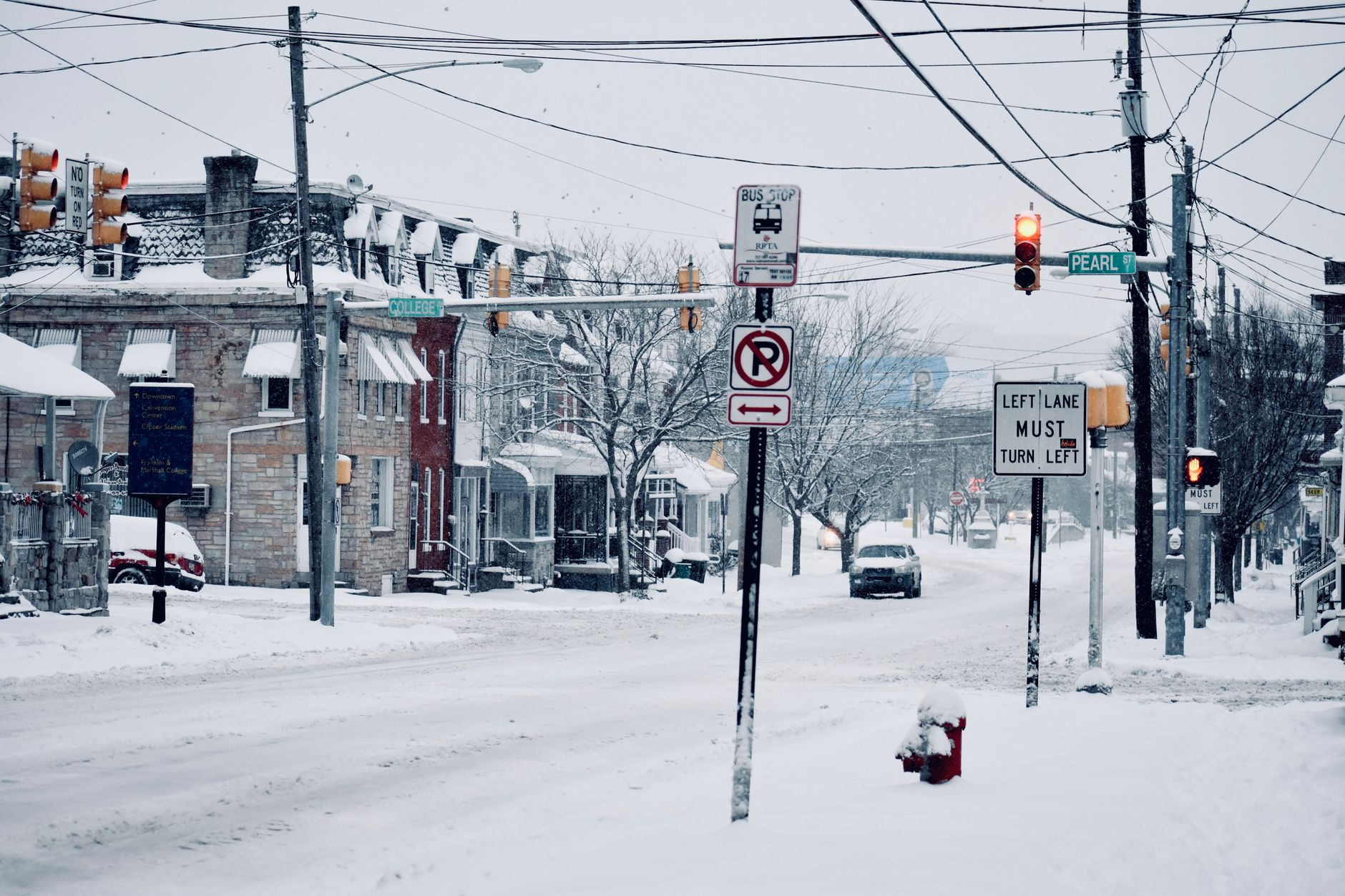
Pennsylvania cold cases represent a haunting aspect of the state’s criminal landscape, highlighting unresolved mysteries that continue to affect families and communities. These unsolved crimes, including the disappearances of missing persons, linger in the shadows of justice, waiting for the breakthrough that could finally bring closure. This article aims to explore the implications of Pennsylvania cold cases, examining notable cases that remain unsolved and the role of advanced technology in ongoing crime investigations. By fostering public awareness, we can empower communities to assist in uncovering the truth behind these chilling mysteries. We will also discuss the future of Pennsylvania cold cases and the collaborative efforts required to solve them. As we delve deeper into this pressing issue, it becomes clear that the voices of the community are essential in the pursuit of justice, making it imperative to shine a light on these unresolved cases. For further reading, consider resources from PennLive and CrimeWatch PA.
Understanding Pennsylvania Cold Cases and Their Implications
What Are Cold Cases?
Cold cases refer to unsolved crimes, particularly homicide or missing persons cases, that have remained unresolved for an extended period. In Pennsylvania, these cases often fade from public memory, yet they continue to hold significant emotional weight for families and communities. Cold cases are typically reopened when new evidence or leads emerge, thanks to advancements in forensic technology, including DNA analysis and digital evidence recovery. As of 2023, numerous cold cases in Pennsylvania remain active, representing the intersection of law enforcement efforts and community engagement to seek justice for victims and their families.
Why Do Pennsylvania Cold Cases Matter Now?
The urgency of addressing Pennsylvania cold cases is heightened by recent technological advancements and a growing public awareness of unsolved crimes. Modern forensic techniques have the potential to breathe new life into old cases, allowing law enforcement to revisit evidence previously deemed inconclusive. Additionally, the role of social media and community organizations in raising awareness about missing persons and unsolved crimes cannot be overlooked. These platforms have empowered families and advocates to mobilize efforts for justice, ensuring that the victims’ stories are not forgotten.
The emotional impact of cold cases extends beyond the immediate families of victims. They remind communities of unresolved trauma and the dangers that may still lurk within. Each unsolved crime represents not just a failure of the justice system but also an ongoing source of fear and uncertainty for residents. By bringing these cold cases to light, we can foster a collective responsibility to support law enforcement and help facilitate crime investigations that may lead to resolutions.
Moving forward, it is essential to leverage increased public awareness and technological advancements to address Pennsylvania cold cases effectively. Collaborative efforts among law enforcement, families, and community organizations can create an environment where these cases are not just numbers on a list, but urgent calls for justice that resonate throughout the state.

Notable Pennsylvania Cold Cases That Remain Unsolved
Pennsylvania has its share of tragic stories, where the passage of time has not dimmed the quest for justice. These pennsylvania cold cases remind us of the families left in limbo and the unsolved crimes that still haunt our communities. As awareness grows, so does the hope that these cases may one day find resolution. Here, we examine two notable examples that continue to captivate public interest and demand renewed attention.
Case Study 1: The Disappearance of Jennifer Kesse
In 2006, Jennifer Kesse, a 24-year-old from Orlando, Florida, vanished without a trace during a visit to Pennsylvania. Kesse was last seen leaving her apartment, and despite extensive searches and investigations, she has never been found. Her family has tirelessly campaigned for greater public awareness, advocating for the use of social media and other platforms to keep her story alive. The Pennsylvania State Police continue to classify her case as a missing persons investigation, emphasizing that they remain open to any new leads that may surface.
Case Study 2: The Jennifer Moore Murder Case
In 2004, Jennifer Moore, a 22-year-old college student, was brutally murdered in her apartment in State College, Pennsylvania. Despite a thorough investigation and multiple interviews, the case remains unsolved. The local community has rallied around her family, who continue to seek justice while dealing with the pain of an unresolved crime. The State College Police Department has recently renewed efforts to investigate the case, emphasizing the importance of public tips and information in solving such cold cases.
The stories of these missing persons and murder victims highlight the broader implications surrounding pennsylvania cold cases. They serve as reminders of the unresolved pain that families endure, and the critical role of public awareness in crime investigations. As technology improves and DNA testing advances, there is hope that even the coldest cases can see new life, offering a chance for resolution and justice.

The Role of Technology in Pennsylvania Crime Investigations
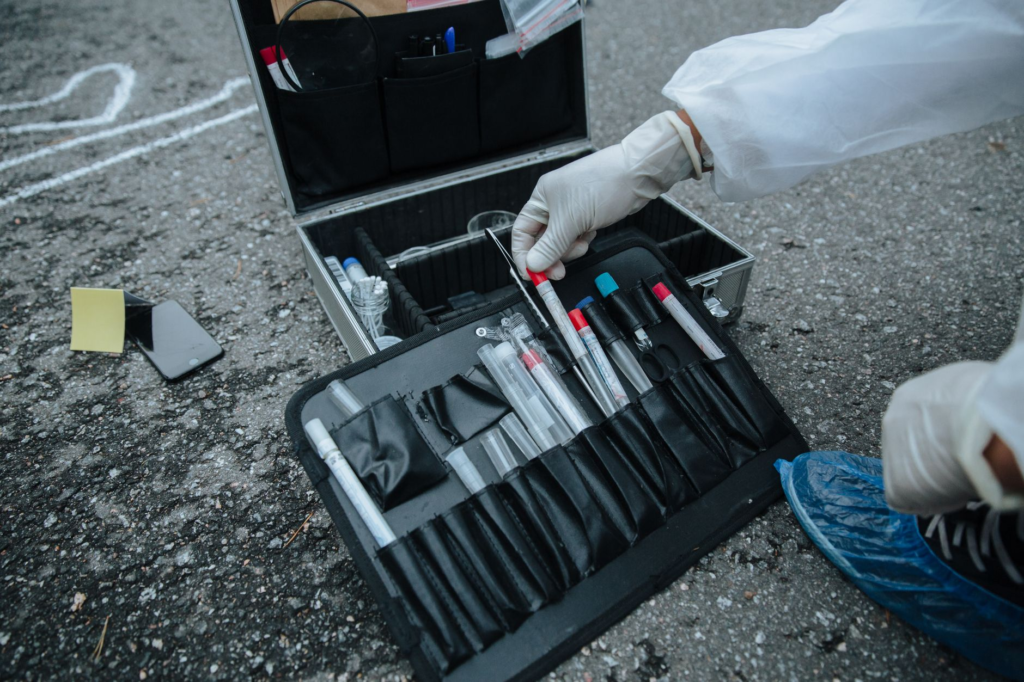
As Pennsylvania grapples with numerous cold cases, advancements in technology offer hope for solving these long-standing mysteries. The integration of cutting-edge forensic science, particularly DNA analysis, is transforming the landscape of crime investigations. These advancements not only enhance the ability to identify suspects but also play a pivotal role in addressing unsolved crimes and bringing closure to families of missing persons.
Forensic Advancements Revolutionizing Investigations
Modern forensic techniques, such as next-generation DNA sequencing, have significantly improved law enforcement’s capacity to analyze evidence. In Pennsylvania, forensic labs are increasingly equipped with these technologies, allowing them to revisit old cases with fresh eyes. For instance, the Pennsylvania State Police have implemented programs that enable them to re-examine DNA evidence from cases that went cold years ago. According to the Pennsylvania State Police, approximately 40% of cold cases could potentially be solved with advancements in DNA technology. This means that many of the pennsylvania cold cases still waiting for resolution may soon see renewed investigative efforts fueled by these scientific breakthroughs.
Furthermore, the use of forensic genealogy has gained traction, allowing investigators to build family trees from DNA samples. This method has successfully led to arrests in several high-profile cases across the United States, inspiring Pennsylvania law enforcement to adopt similar strategies in hopes of unlocking their cold cases.
How Social Media Aids in Public Awareness of Pennsylvania Cold Cases
In addition to forensic advancements, social media has emerged as a powerful tool for increasing public awareness about cold cases. Platforms such as Facebook, Twitter, and Instagram have enabled law enforcement agencies to share information more broadly and engage with the community. By posting details about unsolved crimes and missing persons, they can tap into the collective knowledge of the public, potentially generating new leads.
Campaigns like the “Missing Person of the Week” on social media have proven effective in raising awareness and reminding the public of cases that may have slipped from memory. For example, the National Missing and Unidentified Persons System (NamUs) actively collaborates with law enforcement to utilize social media in its outreach efforts. This collaboration has led to tips and sightings that have significantly advanced cases previously thought unsolvable. The implications of this digital engagement are profound; not only does it promote public involvement, but it also fosters a sense of community around these critical issues.
As technology continues to evolve, so too does the potential for solving pennsylvania cold cases. The combination of forensic advancements and enhanced public awareness through social media positions Pennsylvania at the forefront of modern crime investigations. With continued efforts, the hope remains that many unresolved cases will find resolution, bringing justice to victims and their families.
How the Community Can Assist in Solving Cold Cases
Raising Public Awareness of Pennsylvania Cold Cases
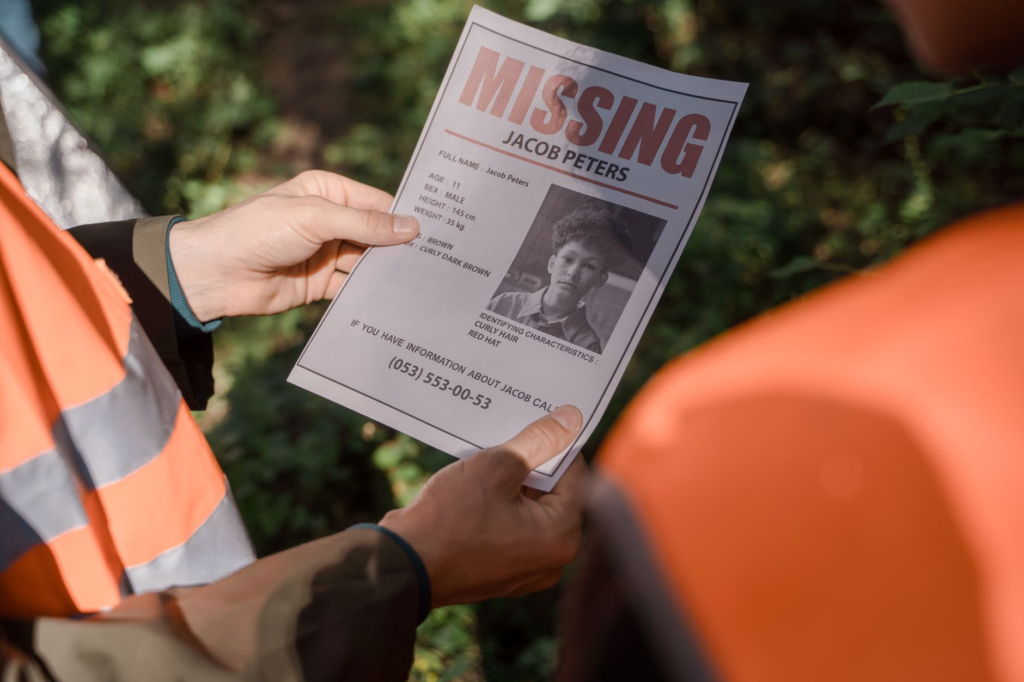
The role of community involvement in addressing cold cases cannot be overstated. Public awareness initiatives are vital for bringing attention to pennsylvania cold cases that have long remained unsolved. By organizing community events, distributing flyers, and utilizing social media platforms, residents can generate interest and potentially uncover new information. For instance, the 2018 case of the murder of 16-year-old Katelyn Markham in Fairfield, Ohio, saw renewed interest after a community-led awareness campaign led to a significant tip that revived the investigation. Similar initiatives in Pennsylvania have proven successful, such as the annual “Justice for All” events that aim to highlight unsolved crimes, encouraging citizens to come forward with any related information.
Moreover, local news outlets and online forums can serve as platforms for sharing details about missing persons cases and other unsolved crimes. Engaging the public in this manner not only fosters a sense of collective responsibility but also empowers individuals to contribute actively to ongoing crime investigations. The impact of increased visibility is profound; according to the FBI, many cold cases have been resolved after new leads emerged from community discussions.
Engaging with Law Enforcement on Pennsylvania Cold Cases
Collaboration between community members and law enforcement is essential in solving cold cases. By fostering open lines of communication, citizens can provide law enforcement with tips and insight that may not have been previously considered. Initiatives such as town hall meetings, where community members can speak directly with detectives, have been effective in areas like Philadelphia, where residents have shared critical information leading to breakthroughs in unsolved crimes.
Individuals can also volunteer their time to assist law enforcement agencies, such as becoming part of neighborhood watch programs or participating in community policing initiatives. These efforts not only strengthen relationships between the police and the community but also create a united front against crime. Additionally, platforms like the Pennsylvania State Police offer resources for citizens to report tips anonymously, ensuring that anyone can contribute without fear of repercussions.
As Pennsylvania continues to grapple with the challenges posed by cold cases, the collective efforts of its communities can prove instrumental in shedding light on these unresolved issues. By raising public awareness and actively engaging with law enforcement, citizens can help turn the tide in favor of justice for victims and their families.
The Future of Pennsylvania Cold Cases
Trends in Crime Investigations Related to Pennsylvania Cold Cases
The landscape of crime investigations is evolving, with advancements in technology playing a pivotal role in how Pennsylvania cold cases are approached. Law enforcement agencies are increasingly utilizing DNA analysis and forensic science to revisit old evidence, potentially unearthing crucial links in long-standing unsolved crimes. Moreover, the integration of digital tools allows for enhanced data sharing and collaboration among police departments, which is particularly vital given that many cold cases span multiple jurisdictions.
Legislative changes are also on the horizon, as policymakers recognize the need for increased funding and resources dedicated to cold case investigations. Several initiatives are being proposed to allocate state and federal grants specifically for unsolved crimes, ensuring that cases do not languish in obscurity. Additionally, growing public awareness and advocacy for victims’ rights are pressuring authorities to prioritize these investigations, fostering a culture where cold cases are not forgotten.
What Lies Ahead for Victims’ Families of Pennsylvania Cold Cases
For the families of missing persons and victims of unsolved crimes, the future holds a glimmer of hope as the community rallies behind their pleas for justice. Support networks are emerging, providing emotional assistance and resources to families grappling with the agony of uncertainty. These organizations not only help families navigate the complex landscape of crime investigations, but they also amplify voices that might otherwise go unheard.
As collaborative efforts between law enforcement and advocacy groups continue to strengthen, there is a growing belief that breakthroughs in Pennsylvania cold cases are not just possible but likely. The combination of modern investigative techniques, increased funding, and heightened public engagement creates a fertile environment for resolving these haunting mysteries. By fostering a supportive ecosystem that prioritizes transparency and accountability, the path forward for victims’ families looks brighter, with the potential for closure finally within reach.
The persistence of Pennsylvania cold cases highlights the urgent need for continued vigilance and public involvement in solving unsolved crimes. Each case represents not just a statistic, but a life unaccounted for, often leaving families and communities in distress. By fostering public awareness and engaging with law enforcement and local organizations, citizens can play a crucial role in reigniting crime investigations that have gone cold.
If you are interested in helping to bring resolution to these haunting mysteries, consider reaching out to local advocacy groups or law enforcement agencies involved in missing persons cases. Every small effort counts, and your voice could make a significant difference in reviving interest in Pennsylvania cold cases. Stay informed, participate actively, and contribute to the collective push for justice.
“`html
What are the most famous Pennsylvania cold cases?
Some of the most famous Pennsylvania cold cases include the unsolved murder of Jennifer Daugherty, who was killed in 2010, and the mysterious disappearance of 3-year-old Tamika Huston in 2004. Additionally, the case of the Boy in the Box, found in 1957 in Philadelphia, remains one of the state’s most enduring mysteries. These cases continue to capture public interest and demonstrate the complexities involved in solving cold cases.
How many unsolved crimes are there in Pennsylvania?
As of recent statistics, there are over 5,000 unsolved homicides and thousands of other unsolved crimes in Pennsylvania. These unsolved crimes represent a significant challenge for law enforcement and underscore the need for ongoing investigations and public support. Efforts to address these cases are critical for justice and closure for affected families.
What resources are available for families of missing persons?
Families of missing persons in Pennsylvania can access various resources, including the Pennsylvania State Police Missing Persons Unit, which provides support and guidance. Organizations like the National Center for Missing and Exploited Children also offer assistance, resources, and advocacy. Local support groups and online communities can connect families with others who share similar experiences, providing emotional support during difficult times.
How can the public help with crime investigations?
Public involvement is crucial for solving crime investigations. Individuals can report tips to local law enforcement agencies, which may lead to breakthroughs in cases. Participating in community watch programs, spreading awareness through social media, and attending local forums can also help keep unsolved cases in the public eye, thereby increasing the chances of resolution.
What advances in technology are helping solve cold cases?
Recent advancements in forensic science and technology have significantly aided in solving cold cases. DNA testing has become more sophisticated, allowing law enforcement to analyze evidence from decades ago. Additionally, tools like genealogical databases and digital forensics have helped connect suspects to unsolved crimes in Pennsylvania, leading to renewed investigations and resolutions.
Why is public awareness crucial for solving unsolved crimes?
Public awareness plays a vital role in solving unsolved crimes. Increased visibility can lead to tips from individuals who may have information that could aid investigations. When communities are informed about cold cases, they are more likely to engage in discussions, share information, and provide support to law enforcement efforts. This collaboration can ultimately bring closure to families and justice for victims.
“`