

Seasonal charity scams Pennsylvania are a growing concern, particularly during the holiday season when generosity is at its peak. As individuals seek to make charitable donations, scammers often exploit this goodwill by posing as legitimate organizations. This article aims to provide a comprehensive understanding of seasonal charity scams in Pennsylvania, offering insights on how to recognize Pennsylvania seasonal fraud and stay informed about current donation scams trends. By equipping yourself with the right knowledge, you can protect yourself from charity scams holidays that can tarnish the spirit of giving. We will discuss ways to identify red flags, the tactics employed by fraudsters, and effective measures you can take to safeguard your contributions. By the end of this article, you will be better prepared to navigate the charitable landscape and ensure your donations reach those who truly need them. For further information, visit FTC on Charitable Donations and the National Association of School Psychologists for additional resources.
Understanding Seasonal Charity Scams in Pennsylvania
Why Seasonal Charity Scams Increase During Holidays
As the holiday season approaches, many individuals feel a heightened sense of goodwill and generosity. Unfortunately, this emotional vulnerability makes it easier for scammers to exploit people’s desire to give. Seasonal charity scams in Pennsylvania often surge during this time, with fraudsters creating elaborate schemes to take advantage of unsuspecting donors. According to the Better Business Bureau, reports of charity fraud increase by over 30% in December alone, reflecting a concerning trend in donation scams during the holidays.
Common Types of Seasonal Charity Scams
In Pennsylvania, residents should be vigilant about common types of scams that emerge around this time of year. These include:
- Fake Charities: Scammers often create phony organizations or mimic legitimate ones, using similar names and logos to deceive potential donors.
- Phishing Schemes: Emails and texts claiming to represent reputable charities may ask for personal or financial information, leading to identity theft.
- Door-to-Door Solicitation: Some fraudsters attempt to collect donations in person, often without the necessary permits or affiliations.
Data from the Federal Trade Commission indicates that many people fall prey to these scams, with more than 15% of respondents reporting that they have been approached by fake charities. In Pennsylvania, the risk of seasonal charity scams is compounded by the state’s ongoing issues with charity regulation and oversight, leading to an increase in Pennsylvania seasonal fraud.
To protect yourself, always research charities before donating. Look for verified organizations, and be wary of high-pressure tactics that urge immediate contributions. Staying informed about donation scams trends can help you make smarter choices this holiday season. For more insights on recognizing and avoiding scams, check out Fraudulent Charities: How They Exploit Donors’ Trust.

How to Recognize Pennsylvania Seasonal Fraud
Red Flags to Watch For
As the holiday season approaches, seasonal charity scams Pennsylvania become increasingly prevalent. It is vital to be aware of the warning signs that may indicate fraudulent activity. Here are some common red flags to look for:
- Pressure Tactics: Scammers often employ high-pressure tactics, urging you to donate immediately. Legitimate charities will allow you time to consider your donation.
- Lack of Transparency: Be cautious if the charity does not provide clear information about its mission and how donations are used. A credible organization will gladly share this information.
- Unsolicited Requests: If you receive unexpected phone calls or emails from unfamiliar organizations asking for donations, it is best to proceed with caution.
- Emotional Appeals: While many charities work on emotional issues, fraudulent organizations often exploit emotions to manipulate potential donors.
Verifying Charitable Organizations
To avoid falling victim to charity scams holidays and ensuring your donations make a difference, take the following actionable steps:
- Use Reputable Resources: Websites like Charity Navigator provide ratings and reviews of charities, allowing you to assess their legitimacy.
- Check State Registries: In Pennsylvania, charities are required to register with the Department of State. You can verify registration through the Pennsylvania Department of State’s Bureau of Charitable Organizations.
- Review Financial Transparency: A trustworthy charity will provide detailed financial reports, including how much of each dollar goes directly to its programs.
Understanding Pennsylvania seasonal fraud and staying informed about donation scams trends is essential. By recognizing the signs of charity fraud and verifying organizations before donating, you can ensure your contributions go to those in need.

Current Donation Scams Trends in Pennsylvania
Emerging Scams to Be Aware Of
As the holiday season approaches, seasonal charity scams in Pennsylvania are becoming increasingly sophisticated. Recent studies indicate that online fraud and phishing schemes are at an all-time high, with a significant uptick in reported cases. According to the Better Business Bureau, the prevalence of charity scams during the holidays is a growing concern, especially as many individuals are more charitable during this time.
One alarming trend is the rise of scams that exploit the popularity of crowdfunding platforms. Fraudsters create fake campaigns on these sites, often using emotional appeals to solicit donations for causes that do not exist. Additionally, a disturbing number of scams have emerged that request cryptocurrency donations, leveraging the anonymity of digital currencies to evade detection. As of 2023, more than 25% of donation-related scams reported in Pennsylvania involve cryptocurrency, according to a report by the Consumer Reports.
Technological Advances in Scamming
Technology is being wielded in new ways to perpetrate Pennsylvania seasonal fraud. Scammers are utilizing social media platforms to create fake profiles that impersonate legitimate charities. These profiles often share heart-wrenching stories and images to garner emotional responses from potential donors. Furthermore, the use of artificial intelligence in crafting convincing messages and deepfake videos is on the rise, making it more challenging to discern genuine requests for help from scams.
To stay safe, individuals should remain vigilant and adopt a few best practices when donating. Always verify the legitimacy of a charity through trusted sources, such as the Charity Navigator or the Guidestar. Additionally, be cautious of unsolicited requests for donations through email or social media.

By being informed about the latest donation scams trends and exercising caution, Pennsylvania residents can better protect themselves from falling victim to seasonal charity scams. It is essential to remain aware of these fraudulent activities and to report suspicious requests to local authorities or consumer protection agencies.
Protecting Yourself from Charity Scams Holidays
The holiday season is a time for giving, but it also presents opportunities for seasonal charity scams in Pennsylvania. To ensure your generosity reaches those in need, it’s crucial to adopt best practices when donating. Below are actionable steps to help you navigate this landscape safely.
Best Practices for Donating
As you consider your charitable contributions, keep the following best practices in mind to avoid potential donation scams trends:
- Research Charities Thoroughly: Before donating, investigate the charity’s mission, reputation, and financial health. Utilize resources like Charity Navigator or BBB Wise Giving Alliance to find credible organizations.
- Donate Directly: Whenever possible, donate directly through the charity’s official website. Avoid clicking on links in unsolicited emails or social media posts, as these may lead to fraudulent sites.
- Use Secure Payment Methods: Opt for secure payment options, such as credit cards or reputable payment platforms, which may offer fraud protection. Avoid sending cash or checks to unfamiliar organizations.
- Be Wary of High-Pressure Tactics: Scammers often create a sense of urgency to elicit immediate donations. Take your time to evaluate the charity before making a commitment.
- Stay Informed: Keep abreast of common Pennsylvania seasonal fraud trends. Local news sources and state agencies often issue alerts about recent scams.
Resources for Reporting Scams Related to Seasonal Charity Scams Pennsylvania
If you suspect you have encountered a charity scam, it’s vital to report it. Here are key resources to assist you:
- State Agencies: Contact the Pennsylvania Department of State to report fraudulent charities or to verify if a charity is registered.
- National Hotlines: You can report scams to the Federal Trade Commission (FTC) at 1-877-FTC-HELP, which provides guidance on how to proceed.
- Consumer Protection Resources: The FTC’s Giving to Charity page offers information on how to donate wisely and avoid scams.
By following these best practices and utilizing available resources, you can contribute meaningfully during the holidays while safeguarding yourself against charity scams holidays. Stay vigilant, and ensure your generosity supports those who truly need it.
Conclusion: Staying Vigilant Against Seasonal Charity Scams in Pennsylvania
The rise of seasonal charity scams in Pennsylvania highlights the importance of being informed and vigilant, especially during the holiday season when charitable giving peaks. Unfortunately, these times of goodwill often attract those looking to exploit the generosity of others through donation scams and fraudulent solicitations. These scams not only undermine the trust in legitimate organizations but also divert critical funds away from those who genuinely need support.
As we approach the holidays, it is essential to remain aware of the charity scams holidays bring. Scammers often manipulate emotional narratives and urgent appeals to pressure individuals into making hasty donations. Understanding the common tactics used by fraudsters can significantly reduce your risk of becoming a victim of Pennsylvania seasonal fraud. Always conduct thorough research before donating. Look for registered charities, verify their legitimacy through trusted sources, and review their financial transparency.
To help you navigate the donation landscape, consider the following actionable takeaways:
- Check if a charity is registered with the Pennsylvania Bureau of Charitable Organizations.
- Use resources like GuideStar to obtain information on the charity’s mission and financial health.
- Be cautious of unsolicited requests for donations, especially via phone or social media.
- Educate friends and family about donation scams trends to foster a community of informed givers.
By staying vigilant and doing your due diligence, you can ensure that your contributions make a real difference. Supporting legitimate charities not only uplifts those in need but also reinforces the goodwill that defines the holiday spirit. Remember, the fight against seasonal charity scams in Pennsylvania starts with informed and cautious donors.
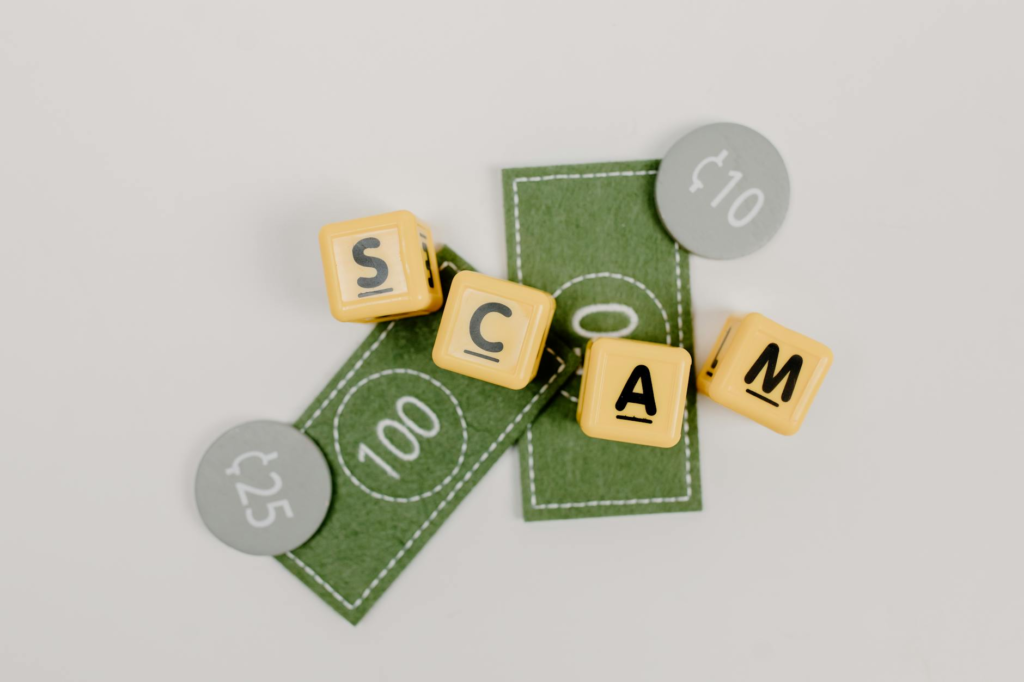
Awareness is key in combating seasonal charity scams in Pennsylvania. As the holidays approach, remain vigilant against charity scams that often exploit the spirit of giving. Recognizing the common trends in donation scams can empower you to make informed decisions about where your contributions go. By staying informed, you can help reduce the impact of Pennsylvania seasonal fraud and ensure that your generosity benefits legitimate causes.
To protect yourself and others, always verify the legitimacy of charities before donating. Check for registration with the Pennsylvania Department of State and consult resources like Charity Navigator for reviews and ratings. This proactive approach will help you navigate the landscape of charity scams holidays and contribute to meaningful causes without falling victim to fraud. Make it a point to educate friends and family about donation scams trends, as awareness can significantly reduce the likelihood of falling prey to these scams.
“`html
What are seasonal charity scams in Pennsylvania?
Seasonal charity scams in Pennsylvania refer to fraudulent activities that typically increase during holiday seasons. Scammers exploit the generosity of individuals, often posing as legitimate charities soliciting donations for causes like disaster relief or holiday support for families in need. Unfortunately, these scams can lead to financial loss for unsuspecting donors who may believe they are contributing to a good cause.
How can I identify charity scams during the holidays?
To identify charity scams during the holidays, be wary of unsolicited requests for donations, especially via phone or email. Verify the charity’s legitimacy by checking their registration status with the Pennsylvania Department of State. Look for clear information about how your donation will be used, and avoid charities that pressure you for immediate contributions. Research online for reviews and reports of any suspicious activities associated with the organization.
What should I do if I suspect a charity scam?
If you suspect a charity scam, report it to the Pennsylvania Attorney General’s Office, which investigates fraudulent charities. Additionally, you can file a complaint with the Better Business Bureau (BBB) and warn others by sharing your experience on social media or community forums. It is also advisable to monitor your financial accounts for any unauthorized transactions.
Are there specific regulations for charities in Pennsylvania?
Yes, Pennsylvania has specific regulations governing charities. Charitable organizations must register with the Pennsylvania Department of State and provide annual financial reports. They are also required to disclose how donations will be used and must adhere to rules concerning fundraising practices. Transparency is key to maintaining public trust, and these regulations help ensure accountability.
What are the latest trends in donation scams in Pennsylvania?
Recent trends in donation scams in Pennsylvania include online scams that target social media users and impersonation scams where fraudsters pose as representatives of well-known organizations. Scammers are increasingly using sophisticated techniques, such as fake websites and email phishing, to trick donors. Staying informed about these trends can help potential donors avoid falling victim to seasonal charity scams in Pennsylvania.
How can I safely donate to charities?
To safely donate to charities, research organizations thoroughly before contributing. Look for charities that are registered and have a good reputation. Use secure payment methods, such as credit cards or reputable payment services, that offer fraud protection. It is also wise to ask for written documentation of your donation and ensure the charity provides clear information about how your funds will be used.
“`