

Social media and PA Crime Stoppers have emerged as powerful allies in the fight against crime, leveraging the digital landscape to enhance community safety and engagement. This article explores the multifaceted role of social media in PA Crime Stoppers initiatives, examining how these platforms facilitate effective Crime Stoppers social campaigns and enable social media crime reporting. We will delve into the impact of social media on PA Crime Stoppers, discussing innovative strategies that maximize outreach and foster community participation. As we look to the future, we will highlight the importance of community engagement online and its implications for Crime Stoppers. However, navigating the digital realm is not without its challenges, and this article will address potential obstacles that PA Crime Stoppers may face in their social media efforts. By understanding these dynamics, we can appreciate the significance of social media in enhancing the effectiveness of Crime Stoppers programs and fostering safer communities. For further insights on community safety initiatives, visit Crime Stoppers USA.
Understanding the Role of Social Media and PA Crime Stoppers
The Evolution of Crime Stoppers Programs
Crime Stoppers originated in the late 1970s as a means to encourage community involvement in solving crimes. In Pennsylvania, the program has continued to grow and adapt, with a focus on fostering cooperation between law enforcement and the public. The primary goal of PA Crime Stoppers is to provide a safe and anonymous way for individuals to report crimes, thereby enhancing public safety and community trust.
Since its inception, Crime Stoppers has implemented various initiatives and social campaigns aimed at raising awareness about crime and fostering community engagement. The effectiveness of these campaigns lies in their ability to mobilize citizens, encouraging them to take an active role in crime prevention and reporting.
How Social Media Enhances Crime Reporting and PA Crime Stoppers
The rise of social media platforms like Facebook and Twitter has revolutionized the way information is shared and crimes are reported. Today, social media and PA Crime Stoppers work hand in hand to enhance crime reporting, allowing for real-time communication between the community and law enforcement. This shift has made it easier for individuals to share information about suspicious activities or crimes they may witness.
Social media crime reporting has become an essential tool for law enforcement agencies. It not only amplifies the reach of Crime Stoppers social campaigns but also facilitates immediate responses to reported incidents. Police departments can leverage these platforms to post alerts, share wanted notices, and engage with the community directly, fostering a sense of trust and collaboration.
Moreover, community engagement online has increased significantly, as people feel empowered to contribute to the safety of their neighborhoods. By utilizing social media, PA Crime Stoppers can disseminate vital information quickly and effectively, ultimately leading to higher rates of crime resolution.

The Impact of Social Media on PA Crime Stoppers
Increased Awareness through Social Media Crime Reporting
Social media and PA Crime Stoppers have transformed the way communities engage with crime prevention initiatives. By leveraging platforms like Facebook, Twitter, and Instagram, Crime Stoppers has significantly increased awareness of crime-related issues. A report by the Bureau of Justice Statistics indicates that over 70% of Americans use social media, making it a powerful tool for spreading information rapidly. Campaigns that utilize social media crime reporting have shown a marked increase in community participation; for instance, a recent campaign in Pennsylvania resulted in a 40% rise in tips submitted compared to previous months.
Case studies demonstrate the effectiveness of these strategies. For example, a targeted social media campaign that highlighted unsolved cases led to the identification of suspects, showcasing how digital outreach can yield tangible results. The combination of visual content and community interaction encourages individuals to share information, fostering a culture of vigilance and accountability.

Engagement Metrics: How Communities Respond Online
The connection between Crime Stoppers and the community is further enhanced through engagement metrics. Social media platforms allow Crime Stoppers to track likes, shares, and comments, providing valuable insights into community sentiment and engagement. According to a study by Pew Research Center, interactions on social media posts related to crime prevention can double in comparison to standard community announcements.
This feedback loop not only measures the effectiveness of Crime Stoppers social campaigns but also informs future strategies. Understanding how different demographics respond allows for tailored messaging that resonates with specific community segments, ultimately leading to increased participation in crime reporting and neighborhood safety initiatives. As communities become more engaged online, the potential for collaborative crime prevention efforts expands, highlighting the importance of social media in modern policing.
The Impact of Social Media on PA Crime Stoppers InitiativesStrategies for Effective Crime Stoppers Social Campaigns
Best Practices for Using Social Media in Crime Stoppers
Utilizing social media and PA Crime Stoppers effectively requires a strategic approach. Here are several best practices to consider:
- Engaging Content Creation: Focus on creating visually appealing content that tells a story. Use images or videos to enhance your message, whether it’s about recent crimes, community safety tips, or success stories from previous Crime Stoppers social campaigns.
- Targeted Audience Engagement: Identify your audience segments, such as local residents, businesses, and youth, and tailor your messages to their interests and concerns. Engaging directly with these communities fosters trust and encourages social media crime reporting.
- Optimal Posting Times: Analyze when your audience is most active on social media platforms. Posting during peak times can significantly increase visibility and engagement. Tools like Hootsuite or Buffer can help schedule posts for maximum impact.
- Utilize Hashtags Wisely: Incorporate relevant hashtags to broaden your reach. For instance, use hashtags like #CrimeStoppers, #CommunitySafety, and localized tags to connect with your community.
Examples of Successful Campaigns Utilizing Social Media and PA Crime Stoppers
Several Crime Stoppers initiatives have harnessed the power of social media to achieve remarkable results:
- “See Something, Say Something” Campaign: This campaign encouraged citizens to report suspicious activities through social media, resulting in numerous tips and arrests. It emphasized the role of community engagement online in enhancing safety.
- Monthly Spotlights: Crime Stoppers organizations often highlight a “Fugitive of the Month” on their social channels. This strategy not only raises awareness but also allows the community to participate actively in reporting. Such initiatives have resulted in a significant increase in tips received.
By implementing these strategies, organizations can strengthen their outreach and effectiveness in crime prevention and resolution. The intersection of social media and PA Crime Stoppers can lead to safer communities when utilized effectively.

Community Engagement Online: The Future of Social Media and PA Crime Stoppers
Building Trust with Community Engagement
In the digital age, building trust within communities is more crucial than ever for initiatives like PA Crime Stoppers. To effectively combat crime, it is essential to foster a sense of collaboration and transparency between law enforcement and citizens. Engaging the community through social media platforms enhances communication and cultivates a trusting environment where residents feel empowered to report suspicious activities. Research shows that when communities are actively engaged, crime rates can decrease significantly.
Social media and PA Crime Stoppers initiatives can leverage platforms such as Facebook, Twitter, and Instagram for targeted outreach. These platforms allow for the dissemination of timely information on local crime trends, successful resolutions, and public safety tips. Furthermore, showcasing community success stories through Crime Stoppers social campaigns can motivate individuals to participate actively in crime prevention efforts. Regular interaction with community members not only strengthens relationships but also encourages a more proactive approach to crime reporting.
The Role of Mobile Technology
Mobile technology has revolutionized how citizens engage with crime reporting. The integration of mobile apps that facilitate social media crime reporting makes it easier for community members to report tips anonymously and conveniently. These apps can send real-time alerts to users, keeping them informed about local crime and safety issues. The immediacy of mobile technology ensures that information flows seamlessly between law enforcement and the public, fostering a more engaged community.
As community engagement online grows, the long-term benefits become evident. A well-engaged community is not just a deterrent to crime; it becomes a partner in public safety. When citizens feel connected and informed, they are more likely to participate in initiatives that promote safety and well-being. Investing in social media and PA Crime Stoppers is not merely about addressing current crime but about creating a sustainable culture of proactive community involvement.

Challenges in Social Media and PA Crime Stoppers
Addressing Misinformation on Social Platforms
One of the most pressing challenges faced by Social media and PA Crime Stoppers is the prevalence of misinformation. Social media platforms can rapidly disseminate unverified information, leading to confusion among the public. This can undermine the credibility of Crime Stoppers social campaigns, which rely on accurate reporting to mobilize community engagement online. For instance, false reports or exaggerated claims about criminal activity can divert attention from genuine cases, making it more difficult for law enforcement to act effectively. To counter this, Crime Stoppers must establish a robust strategy for fact-checking and clarifying information, ensuring that accurate details are shared promptly and widely. This approach not only enhances the reliability of social media crime reporting but also fosters trust within the community.
Balancing Privacy and Public Safety in Social Media and PA Crime Stoppers
Another significant issue lies in balancing privacy concerns with the need for public safety. While social media offers a platform for sharing important information, it can also compromise individuals’ privacy if not handled carefully. Many community members may hesitate to report crimes or provide tips due to fears of exposure or retaliation. Crime Stoppers initiatives must prioritize anonymity in their campaigns to encourage more individuals to come forward with valuable information. This can be achieved through secure reporting channels and clear communication about how tips will be managed. By taking these precautions, PA Crime Stoppers can enhance community engagement online while still ensuring that public safety remains a top priority.

addressing misinformation and balancing privacy with public safety are key challenges for Crime Stoppers utilizing social media. By implementing proactive strategies, these organizations can enhance their efficacy and foster a more engaged community.
Conclusion: The Significance of Social Media in Crime Stoppers
The Ongoing Need for Community Collaboration in Social Media and PA Crime Stoppers
Throughout the article, we have explored the transformative role of social media and PA Crime Stoppers in enhancing community safety and engagement. Crime Stoppers social campaigns leverage the reach and immediacy of social media to encourage community participation in crime prevention. By fostering a culture of vigilance and cooperation, these initiatives empower citizens to report suspicious activities through social media crime reporting channels, ultimately enhancing public safety.
The relationship between Crime Stoppers and the community is pivotal. As law enforcement agencies and community members work together, they create a formidable front against crime. The ability to share information quickly and effectively through social media platforms not only aids in crime-solving but also builds trust and solidarity among residents. This ongoing collaboration is essential for cultivating a proactive approach to crime reduction.
The Future of Social Media in Crime Prevention
Looking ahead, the evolution of social media presents exciting possibilities for crime prevention efforts. Emerging technologies, such as artificial intelligence and machine learning, can enhance the way data is analyzed and shared within social media frameworks. Furthermore, the integration of real-time community engagement online will likely lead to more effective and timely responses to incidents.
As platforms continue to evolve, Crime Stoppers initiatives will need to adapt to changing digital landscapes to maintain relevance and effectiveness. Engaging younger demographics through popular platforms and utilizing interactive content may further enhance participation rates. For those involved, staying informed about these trends will be crucial in harnessing the full potential of social media in crime prevention efforts.
By maintaining a strong partnership between law enforcement and the community, and embracing the advancements in social media, PA Crime Stoppers can continue to make strides in ensuring safer neighborhoods for all.
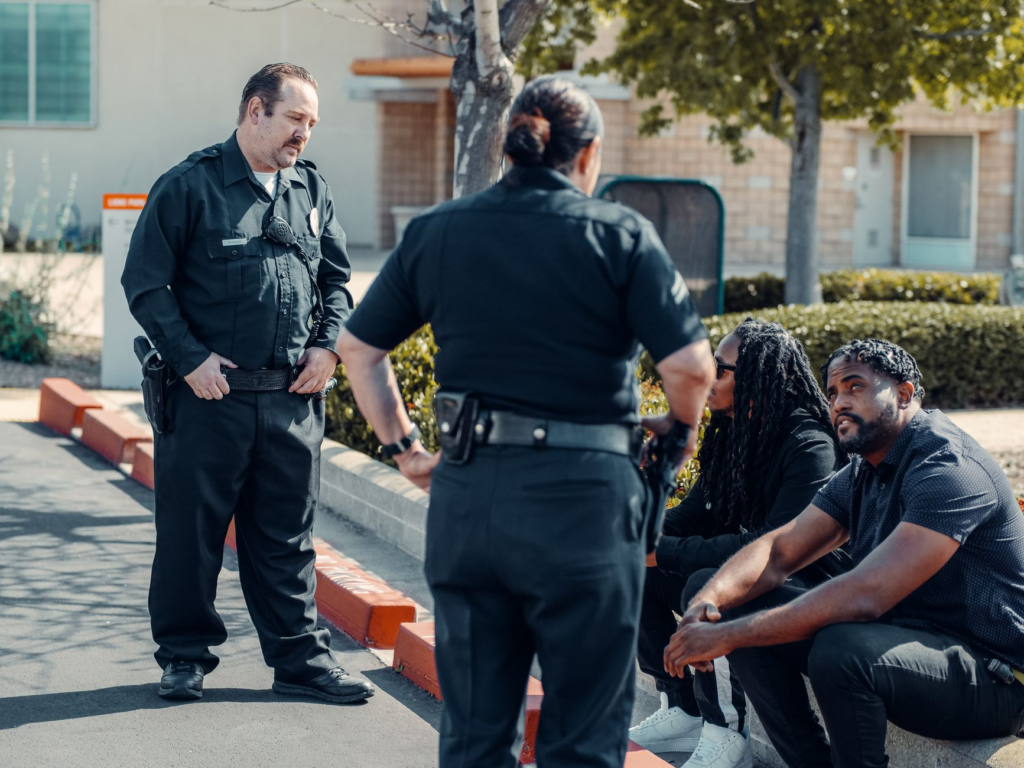
Social media and PA Crime Stoppers have transformed the way communities engage with law enforcement and share vital information. Through targeted Crime Stoppers social campaigns, law enforcement agencies are leveraging online platforms to encourage social media crime reporting, making it easier for citizens to contribute to public safety. This modern approach fosters community engagement online, empowering individuals to participate in crime prevention actively.
As communities become more connected through social media, the potential for mobilizing collective action against crime continues to grow. By participating in these initiatives, residents not only enhance their safety but also strengthen the bonds within their neighborhoods. To make a difference, consider following your local PA Crime Stoppers on social media, sharing their messages, and reporting any suspicious activity you may encounter. Together, we can build a safer environment for all.
“`html
How does social media help in crime reporting?
Social media serves as a vital tool for crime reporting by allowing individuals to share information quickly and widely. Platforms like Facebook and Twitter enable users to submit tips anonymously, enhancing the chances of gathering crucial information. The immediacy of social media encourages community participation, making it easier for law enforcement agencies to connect with the public. In Pennsylvania, the synergy between social media and PA Crime Stoppers has proven effective in facilitating timely reports and fostering a proactive approach to crime prevention.
What are some successful Crime Stoppers social campaigns?
Successful Crime Stoppers social campaigns often include initiatives like “Tip of the Week,” where agencies highlight specific cases needing public attention. Campaigns utilizing viral hashtags, engaging graphics, and compelling storytelling have attracted substantial participation. For instance, campaigns in Pennsylvania have effectively leveraged local events and partnerships with influencers to amplify their reach. Such strategies have not only raised awareness but have also encouraged community members to contribute vital information, showcasing the impact of social media crime reporting.
How can communities engage online with Crime Stoppers?
Communities can engage online with Crime Stoppers by following their social media accounts, sharing posts, and participating in discussions. Many organizations encourage residents to join online forums or groups dedicated to crime prevention, fostering a sense of community involvement. Hosting virtual events or Q&A sessions can further enhance interaction. By actively participating in these platforms, community members can help disseminate important information and support the efforts of Crime Stoppers, ultimately contributing to safer neighborhoods.
What challenges do Crime Stoppers face on social media?
Crime Stoppers face several challenges on social media, including misinformation and the potential for negative public perception. The rapid spread of unverified information can hinder investigations and complicate community trust. Additionally, managing online interactions can be resource-intensive, requiring dedicated personnel to monitor and respond effectively. Furthermore, privacy concerns may deter individuals from sharing sensitive information. Addressing these challenges is crucial for maximizing the effectiveness of social media in PA Crime Stoppers campaigns.
How does social media enhance public safety initiatives?
Social media enhances public safety initiatives by facilitating real-time communication between law enforcement and the community. It enables agencies to disseminate critical information quickly, such as alerts about missing persons or ongoing criminal activities. Additionally, social media campaigns can educate the public on safety practices and crime prevention measures. By fostering collaboration and transparency, these platforms create a more informed community that actively participates in public safety efforts, ultimately benefiting programs like Crime Stoppers in Pennsylvania.
What role does mobile technology play in Crime Stoppers campaigns?
Mobile technology plays a crucial role in Crime Stoppers campaigns by providing easy access to reporting tools and information. With the proliferation of smartphones, individuals can submit anonymous tips or access safety resources on-the-go. Many Crime Stoppers programs have developed mobile apps that streamline the reporting process and make it more user-friendly. This accessibility encourages higher participation rates and aligns with the modern lifestyle, making social media and PA Crime Stoppers a powerful combination in combating crime.
“`